From cargo hold to cabin host: why pet-only airlines exist at all
For years, premium travelers have accepted a quiet hypocrisy in pet travel. You might book a lie-flat seat and a tasting menu while your pet rides in cargo as checked baggage, treated more like luggage than a living animal. That gap between human comfort and pet safety is exactly what the new generation of pet airlines is exploiting with precision.
Traditional airlines allow pets in the cabin only if they are small enough to fit under the seat, and even then the pet carrier must stay closed for the entire flight. Large dogs and many multi-pet households are pushed into the hold as airline pet freight, where temperature swings, noise and handling risks turn a routine journey into a stress test. Publicly available US Department of Transportation incident reports show that while serious events are rare relative to total pet journeys, they occur disproportionately in cargo, which helps explain why high-service travelers started asking whether the cabin could be redesigned around dogs instead of duty-free trolleys.
Most major airline pet policies were written to minimize disruption, not to maximize animal welfare or owner peace of mind. The pet policy pages for American Airlines, Turkish Airlines or Air France read like legal disclaimers, with weight limits, breed restrictions and a maze of international paperwork. They technically allow pets, but they rarely allow pets to feel welcome, and that distinction is what defines the new pet travel landscape more than any marketing slogan.
Dog-only carriers such as BARK Air, RetrievAir and K9 Jets start from the opposite premise, treating the pet as the primary customer and the human as the plus one. In practice, that means every seat, every route and every service ritual is calibrated around dogs’ and cats’ comfort rather than human density or ancillary revenue. The result is a category that sits somewhere between private aviation and scheduled airlines, and it is reshaping expectations for what pet airlines 2026 should look like for serious travelers.
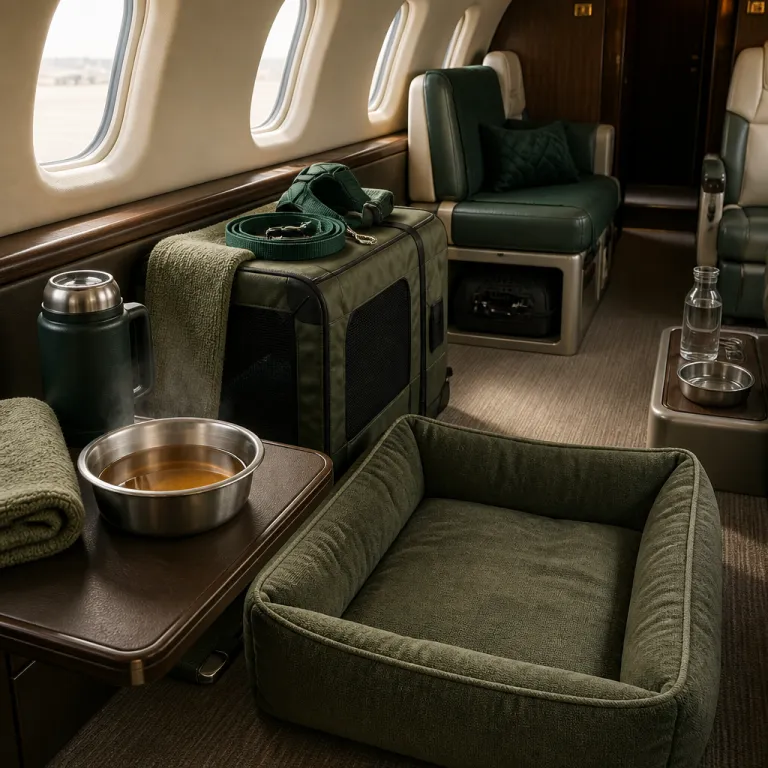
These specialist airlines allow dogs of any size to stay in the cabin, moving freely under supervision instead of being locked into a crate in cargo. They treat the cabin as a controlled dog park in the sky, with staff trained in animal behavior rather than just emergency exits and trolley service. Once you have watched a nervous dog settle onto a memory-foam bed at takeoff, it becomes hard to accept that a metal crate in the hold is still the default on so many international flights.
The rise of these services also exposes how fragmented mainstream airline pet rules have become across routes and aircraft types. Alaska Airlines, for example, is praised because it keeps its in-cabin fee at around 100 dollars while other carriers charge closer to 150 dollars each way for small pets. Yet even Alaska Airlines still caps the number of pets cabin-wide per flight, and large dogs remain relegated to checked baggage or refused entirely on some routes.
For an executive who treats a dog as family, the trade-off is no longer just about price but about control, predictability and ethics. You can either accept the airline pet status quo, where your animal might be loaded last minute into cargo, or you can pay a premium to board a carrier where the entire cabin is engineered around pet transport. That binary choice is what is pushing the conversation about pet airlines 2026 from niche curiosity into serious aviation strategy.
As more pets travel on long-haul routes, the limitations of legacy models become painfully clear. International pet travel with Qatar Airways, Air France or American Airlines can involve complex veterinary paperwork, transit restrictions and strict weight limits that exclude many large dogs. The new dog-centric airlines are not removing those regulatory hurdles, but they are proving that once the paperwork is done, the actual flight experience can be radically better for both pets and humans. Still, as one independent veterinary behaviorist notes, no cabin can eliminate all stressors, so owners should treat these services as a tool to reduce risk rather than a guarantee of a perfect journey.
Inside the dog-first cabin: how BARK Air, RetrievAir and K9 Jets actually operate
Step onto a BARK Air flight and the hierarchy is obvious from the first greeting. The crew kneels to welcome your dog before they even check your passport, and the cabin is set up less like a traditional airline cabin and more like a lounge where dogs and small pets can circulate. This is not a marketing flourish; it is the operational core of a dog-first airline.
BARK Air runs on a luxury charter model, with fares that company announcements and media coverage describe as reaching well into five figures on longer international routes such as New York to Athens. A typical ticket bundles one human and one dog, with the cabin limited to a small number of pairs so that pets cabin-wide can stretch out on memory-foam beds, sip bone broth and use pheromone-scented towels to stay calm. The airline openly states that it is not trying to compete with Alaska Airlines or American Airlines on price, but to redefine what a premium pet travel experience can be when cargo is removed from the equation entirely.
The amenities are not gimmicks when you watch anxious dogs settle mid-flight. Noise-canceling earmuffs, calming chews and a cage-free cabin reduce the sensory overload that usually makes pet travel such a fraught proposition. A complimentary car service within roughly 50 kilometers of the airport completes the journey, turning what used to be a stressful transfer between airline pet counters and taxi queues into a seamless door-to-door experience.
RetrievAir takes a different stance, operating a modified 30-seat Embraer where every seat is sold individually rather than as a full charter. Company briefings cite average fares of around 775 dollars per seat, positioning it as a mid-market option for travelers who want their dogs in the cabin but do not need the full BARK Air champagne treatment. On these flights, dogs of any weight can stay beside their owners, and the pet carrier becomes optional rather than mandatory, which is a radical departure from standard airlines’ rules.
The RetrievAir network focuses on high-demand leisure and business routes such as Atlanta to Scottsdale or Seattle to Tampa Bay, where affluent pet owners shuttle between homes or extend work trips. Because the aircraft is smaller than a typical narrow-body used by major airlines, the cabin feels more like a private club than a crowded shuttle. That intimacy allows staff to monitor each animal closely, adjusting seating if certain dog-and-cat pairings need more space or quieter corners.
K9 Jets sits somewhere between these two models, operating as a pay-by-seat private jet service on longer international routes. The company reports having flown thousands of pets on sectors such as New York to Paris or Lisbon to London, and its published data cites a flight confirmation rate in the mid-90 percent range on core routes, suggesting sustained demand for transatlantic pet transport that bypasses cargo entirely. On board, the emphasis is on keeping pets in the cabin with their humans at all times, which removes the most stressful handover moments that plague traditional airline pet journeys.
For an executive traveler, the difference between these cabins and a standard airline cabin is not just the dog beds and treats. It is the absence of constant negotiation with crew about where the pet carrier can sit, whether the animal is too heavy for the cabin or whether the pet policy has changed since booking. On BARK Air, RetrievAir and K9 Jets, the assumption is that pets travel as honored guests, and the human simply adapts to that logic.
These services also reframe what international pet travel logistics can look like when the flight itself is no longer the weak link. Once you have cleared veterinary checks and export paperwork, which can be complex for routes into South America or Europe, the actual time in the air becomes the calmest part of the journey. For travelers planning complex regional itineraries with animals, resources such as this guide to traveling with pets in South America and its requirements become even more valuable, because they help you align ground regulations with a far more forgiving cabin experience. Aviation analysts do caution, however, that these boutique operations depend on sustained demand and favorable fuel and charter costs, so routes and schedules may remain fluid.
The economics of pet-first aviation: who pays, and what changes
Follow the money and the logic behind pet airlines 2026 becomes clearer. BARK Air is unapologetically positioned at the ultra-premium end, with one-way fares that, according to company communications and press coverage, can rival a first-class ticket on a major airline plus a private transfer. That price point targets a narrow but very real segment of travelers for whom the dog is not just a pet but a family member or even a brand asset.
Think of high-net-worth individuals shuttling between homes, influencers whose dogs generate revenue, or executives whose schedules leave no margin for a missed connection or a traumatized animal. For them, paying several thousand dollars to keep a dog in the cabin with bone broth and a dedicated handler is not indulgence but risk management. When you compare that to the cost of medical issues or quarantine complications after a rough cargo journey, the equation starts to look less irrational.
RetrievAir’s mid-market fares around 775 dollars per seat open a different slice of the market, one that traditional airlines should watch closely. These are travelers who currently pay 150 dollars each way for in-cabin pets on major carriers, accept cramped seating and still worry about last-minute policy changes. When they realize that for a multiple of that fee they can board a 30-seat aircraft where every passenger has a dog and no one complains about a bark during takeoff, loyalty to legacy airlines begins to erode.
K9 Jets, with its pay-by-seat private jet model, effectively crowdsources what used to be a full aircraft charter among several pet-owning families. That structure keeps per-seat costs below a full private jet while still delivering a cabin where pets cabin-wide can roam and socialize. It also allows the company to flex routes based on demand, adding seasonal flights when clusters of pet owners need to cross the Atlantic together.
Meanwhile, mainstream airlines are quietly raising fees without meaningfully improving the pet experience. Most major US carriers now charge around 150 dollars one way for in-cabin pets, with Alaska Airlines undercutting slightly at about 100 dollars, yet the animal still rides under the seat in a cramped pet carrier. When you read analyses of how a major carrier like Delta raised its pet cabin fee by more than half, such as this breakdown of the pet cabin fee increase across the sky, you see a pattern of monetizing anxiety rather than solving it.
The economics also expose a structural issue that no amount of marketing can hide. As long as pets are treated as ancillary revenue, squeezed into existing seat maps and cargo holds, airlines allow only incremental improvements in pet policy rather than a redesign of the cabin. Pet-only carriers flip that logic, accepting lower seat density and higher operating costs in exchange for a product that commands a premium and builds fierce loyalty among a small but influential clientele.
For business-leisure travelers, the decision often comes down to how many flights per year involve pets and how critical those trips are. If you fly with a dog or multiple pets only once a year, paying a high fee for a single BARK Air or K9 Jets journey might feel justifiable. If you shuttle between hubs monthly with animals in tow, a mix of RetrievAir for key routes and carefully chosen Alaska Airlines or American Airlines flights for shorter hops can balance cost and welfare.
There is also a reputational dimension that airlines underestimate. Executives who post images of their dogs relaxed in a dog-first cabin send a clear signal about their values, and that narrative travels faster than any loyalty program email. As more of those images circulate, the gap between a dog sleeping on a memory-foam bed at 11,000 meters and a dog shivering in cargo becomes a brand problem for every legacy carrier still treating pets as checked baggage. At the same time, environmental advocates point out that lightly loaded premium flights have a higher emissions footprint per passenger, adding another factor for companies that report on sustainability.
What this means for legacy airlines, regulations and your next trip
The obvious question is whether pet-only airlines will remain a niche luxury or force mainstream change. On pure capacity, the answer is clear; a handful of 30-seat Embraers and shared charters cannot absorb the 74 percent of dog owners who now choose flights when they travel, a figure that recent pet travel newsletters attribute to survey data rather than official statistics. The scale of demand for pet travel far exceeds what BARK Air, RetrievAir and K9 Jets can ever carry alone.
Yet influence in aviation does not always correlate with seat count. These carriers function as laboratories, proving that dogs of any weight can share a cabin safely when staff are trained and the layout is designed for animals. Once regulators and major airlines see that large dogs can travel in the cabin without chaos, pressure will grow to relax some of the most conservative pet policy rules on selected routes.
Legacy carriers are already experimenting at the margins, though rarely in ways that match the ambition of pet airlines 2026. Some airlines allow slightly heavier small pets in premium cabins on short-haul flights, while others test dedicated rows where pets travel with extra space. Internationally, Qatar Airways and Air France have begun to refine their pet transport procedures, but the core model of small pets under the seat and large dogs in cargo remains largely intact.
The regulatory environment is another brake on rapid change, especially for international routes where animal health rules are strict. Moving a dog between the United States and Europe or South America still requires meticulous veterinary paperwork, microchips and timing that can stretch over weeks. Guides such as this calendar-based walkthrough for crossing borders with a dog and clearing customs show how much planning is needed even before you choose an airline.
For the executive traveler, the practical takeaway is to segment your trips by risk and importance. Use pet-only carriers when the stakes are highest, such as relocations, long-haul international flights or journeys with large dogs that would otherwise be forced into cargo. For shorter domestic hops with small pets, choose airlines with transparent pet policy pages, reasonable weight limits and a track record of handling pets cabin-wide without last-minute surprises.
When comparing options, think beyond the headline fee and look at the full chain of custody for your animal. Who handles the pet at check-in, where does the pet carrier sit during boarding, how many transfers are involved and what happens if a delay pushes the flight into extreme temperatures? A slightly higher fare on Alaska Airlines or American Airlines with a direct route and a proven record can be safer than a cheaper multi-stop itinerary where your airline pet spends hours on the tarmac.
The emergence of BARK Air, RetrievAir and K9 Jets also invites a more philosophical question about how we define premium travel. Is a first-class suite still truly first class if your dog is in a metal crate below your feet, or does real luxury now mean a cabin where pets travel as calmly as their humans? As more travelers answer that question with their wallets, legacy airlines will have to decide whether to keep pets in the margins or bring them fully into the cabin story.
What is certain is that the days of treating pets as anonymous cargo are numbered for the most discerning travelers. Whether you choose a pet-only carrier or a carefully selected legacy airline, the expectation is shifting toward transparency, comfort and respect for the animal as a passenger. In that sense, these dog-first airlines are less an indulgent side show and more an early sketch of how serious pet travel will look in the next chapter of aviation.
Key figures shaping the future of dog-first air travel
- BARK Air launched with one-way fares starting around 6,000 US dollars, positioning itself firmly in the ultra-premium segment for pet travel (based on company launch announcements and independent business press coverage of dog-first aviation).
- RetrievAir operates a 30-seat modified Embraer with average fares of about 775 US dollars per seat, creating a mid-market alternative between traditional airlines and full private jet charters (as reported in recent pet transport investment and route expansion briefings).
- K9 Jets reports a flight confirmation rate of roughly 95 percent on its pay-by-seat private jet routes, indicating strong and consistent demand for transatlantic pet transport where pets remain in the cabin (according to the company’s published service data and customer updates, which have not yet been widely audited by regulators).
- Most major US airlines now charge around 150 US dollars one way for in-cabin pets, with Alaska Airlines standing out at approximately 100 US dollars, yet these fees still usually confine small pets to carriers under the seat (drawn from comparative airline pet fee analyses across leading US carriers and their public policy pages).
- Dog owners who travel by air have increased their flying rate from roughly 68 percent to 74 percent within a short period, underscoring how central flights have become to modern pet travel patterns (as highlighted in recent pet travel newsletters summarizing survey-based trend reports rather than official government statistics).
Pet travel at a glance: how key options compare
| Carrier type | Typical one-way pet fee | Where pets stay | Example routes |
|---|---|---|---|
| Legacy US airline (e.g., American Airlines, Alaska Airlines) | 100–150 US dollars in-cabin; higher for checked or cargo | Small pets in carriers under the seat; large dogs in cargo or refused | Domestic hubs and standard international networks |
| BARK Air | From about 6,000 US dollars for one dog plus one human | Dog-first cabin with free movement under supervision | Premium routes such as New York–Athens and other long-haul sectors |
| RetrievAir | Around 775 US dollars per seat on shared Embraer jets | All sizes in the cabin; carriers optional for many dogs | High-demand links like Atlanta–Scottsdale or Seattle–Tampa Bay |
| K9 Jets | Pay-by-seat pricing below full private jet charter levels | Cabin-only travel with no cargo hold for pets | Transatlantic routes including New York–Paris and Lisbon–London |
As one senior operations manager at a pet-only carrier put it, “The moment you design the cabin around the animal instead of the trolley, everything from boarding to turbulence procedures changes. You are no longer moving luggage with a heartbeat; you are moving a passenger who just happens to walk on four legs.” That mindset shift, more than any single amenity, is what separates dog-first aviation from traditional airline pet policies, even as regulators, veterinarians and environmental analysts continue to debate how widely the model should scale.