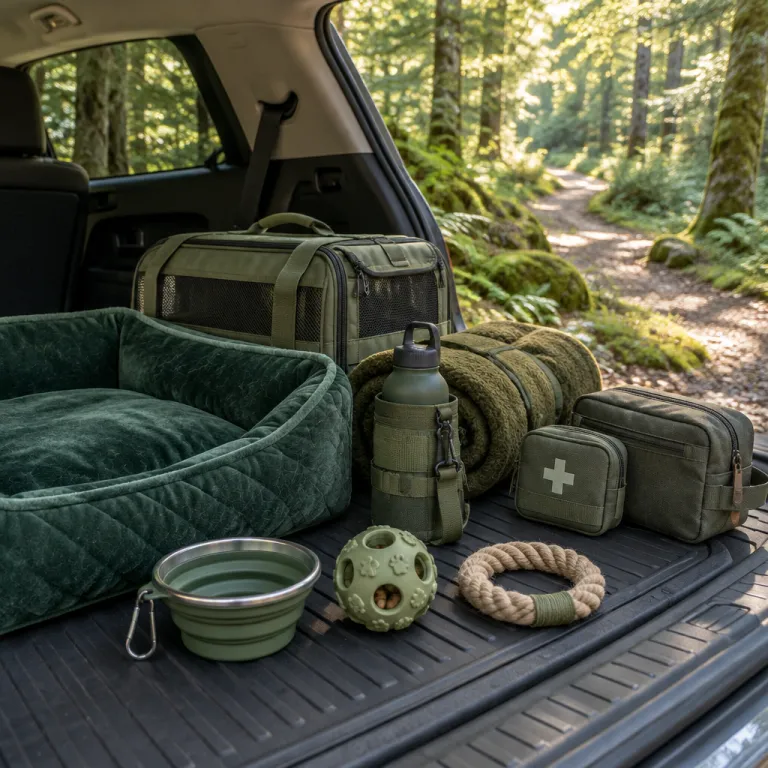
Choosing travel ready toys for small dogs
Travel days can overwhelm a small dog, so thoughtful play choices matter. When you curate toys for small dogs specifically for journeys, you give your companion a familiar routine that follows them from home to train, plane, or car. A calm dog settles faster in new spaces and copes better with delays or unexpected changes.
Start by weighing your dog and measuring their jaw to match each toy to their actual bite strength and mouth size. A toy that is too small for tiny pups becomes a choking risk, while an oversized plush or rubber piece frustrates them and removes the fun of easy play. Aim for toys that are clearly designed for dogs under 10 kilograms, with the size and weight stated on the packaging or the online shop page.
Soft plush options remain a classic choice for anxious pups, especially when you travel overnight or cross several time zones. A compact plush dog in the shape of a familiar animal can double as a pillow in a carrier, and many dogs use the same plush toys at home and on the road to maintain a sense of continuity. When you select any plush toy, check that the seams are reinforced and that the label mentions durable stitching suitable for repeated chewing.
Noise levels also matter when you travel with dogs in shared spaces such as airport lounges or train carriages. Squeakers can be delightful for your dog but irritating for other passengers, so reserve the loudest dog toys for rest stops or pet relief areas away from the main crowd. For cabins and waiting areas, choose quiet interactive toys for small dogs that rely on texture, scent, or movement rather than sound.
Finally, evaluate each toy for ease of cleaning and overall hygiene during a long holiday itinerary. Travel exposes your dog toys to dust, spilled drinks at the bar, and occasional contact with other dogs or even the odd curious cat. Prioritise machine washable plush and wipe clean rubber toys so you can remove odour, keep your luggage fresh, and lower the risk of carrying germs between destinations without needing complicated cleaning routines.
Interactive entertainment that soothes pups on the move
Long journeys challenge even the most seasoned travel dogs, which is why interactive toys for small dogs are invaluable. These designs channel nervous energy into focused play, helping your dog ignore unfamiliar noises and movement around them. When your dog has a job to do, such as nudging or rolling a toy to release treats, anxiety often drops noticeably.
Consider puzzle toys that hide small pieces of dry food or low crumb treats inside layered compartments. A single interactive toy can occupy pups for 20 to 30 minutes, which feels significant during a delayed flight or a slow ferry crossing. Look for products clearly designed for small dogs, because large format puzzles can be heavy and awkward inside a compact carrier.
Brands such as HuggleHounds have built reputations for combining soft textures with surprisingly durable construction. For example, a typical small HuggleHounds plush dog might measure around 18 to 23 centimetres in length and be recommended for dogs under 9 to 11 kilograms, with multiple knots or crinkle panels that offer both comfort and mental stimulation. Many HuggleHounds toys are also flat enough to slide into a side pocket of your travel bag without adding bulk.
Rotating different dog toys during a trip prevents boredom and reduces obsessive chewing on one favourite toy. You might start the day with a soft plush toy in the car, then switch to a compact treat puzzle during a café stop or at the airport bar. This simple rotation strategy keeps play sessions short, structured, and always associated with positive experiences.
For more detailed guidance on balancing toys, chews, and rest breaks during journeys, consult this in depth guide on essential toys and entertainment for a stress free journey. It complements your own observations about your dog and helps you refine a personalised travel play kit. Combining expert advice with your direct knowledge of your dog’s habits leads to better choices than relying on marketing claims alone.
Safety, materials, and durability in confined travel spaces
Safety standards for toys for small dogs become even more critical when you travel in confined spaces. In a car, train compartment, or aircraft cabin, you cannot always intervene quickly if a toy breaks or a piece comes loose. That reality makes material quality and construction details non negotiable for responsible pet travellers.
Always inspect new dog toys before the trip by pulling gently on limbs, ears, and seams to test how durable they feel. If any part of a plush dog stretches too easily or if stuffing appears through the stitching, retire that toy from your travel kit and reserve it for supervised play at home. Hard plastic eyes or decorative buttons should be avoided entirely for small pups, because they can detach and become dangerous choking hazards.
Rubber and fabric toys designed specifically for dogs usually state whether they are free from common chemicals such as BPA and phthalates. When you buy from a reputable shop that specialises in pet products, you are more likely to find transparent information about materials, recommended dog size, and realistic lifespan. While no toy is indestructible, choosing durable options reduces both safety risks and long term replacement costs.
Price should never be the only factor, but it still deserves thoughtful consideration in a complete travel plan. A slightly higher price for a well designed interactive toy often pays off when it survives multiple holidays and countless play sessions. Cheap impulse purchases at a station bar or generic souvenir stand rarely match the quality of toys sourced from established pet retailers.
Remember that travel exposes toys to extra wear from rough surfaces, luggage pressure, and repeated cleaning. Even the most durable plush toys can lose shape or develop weak points after several intense trips with energetic dogs. Inspect your travel set after each holiday, remove any toy that shows frayed edges or loose parts, and replace it before the next journey.
Seasonal themes, comfort objects, and festive travel
Seasonal themes can transform practical toys for small dogs into comforting rituals that mark special trips. Many families travel during festive periods, and a familiar santa themed plush dog can signal that a beloved holiday routine is underway. Dogs respond strongly to repeated cues, so reusing the same santa toy each year can help them settle faster in new accommodation.
When you select seasonal toys, prioritise the same safety and durability standards you apply to everyday dog toys. Festive ranges sometimes emphasise appearance over construction, so check that any santa or snowman plush is securely stitched and appropriately sized for a small dog. Avoid loose ribbons, glitter, or decorative beads that could detach during vigorous play.
Comfort objects also extend beyond plush designs and can include soft fabric balls, knotted ropes, or even a worn T shirt that carries your scent. Pairing a familiar comfort item with a new interactive toy helps pups balance emotional security with mental stimulation during travel. This combination is especially helpful for rescue dogs or naturally sensitive dogs that struggle with change.
Consider packing a small rotation of three to five themed toys for a week long holiday. One might be a santa plush reserved for quiet evenings, another a durable rope for gentle tug games, and a third an interactive puzzle for rainy days indoors. Rotating these toys keeps play sessions fresh while still maintaining the reassuring presence of familiar objects.
Do not forget that some destinations also decorate public spaces, cafés, and even airport lounges with seasonal items that may tempt your dog. A curious dog might try to play with a decorative plush or ornament that is not designed for pets and could be unsafe. Keeping your own appealing, safe toys within easy reach reduces the risk of your dog grabbing unsuitable objects in these environments.
Packing strategy and in transit toy management
Thoughtful packing turns toys for small dogs into a streamlined travel kit rather than clutter. Start by designating one pouch or cube in your luggage exclusively for dog toys, chews, and cleaning wipes. This dedicated space keeps everything accessible during security checks, rest stops, and late night arrivals.
Place the current favourite plush toy directly in the carrier so your dog can settle with it from the moment you leave home. Backup toys, including at least one durable interactive toy and one quiet chew, should sit near the top of your main bag for quick access. Avoid overpacking, because too many options can overwhelm pups and make it harder for you to manage items in tight spaces.
During the journey, rotate toys according to the phase of travel and your dog’s energy level. At the start, when excitement runs high, a simple plush dog or soft rope can channel that ruff enthusiasm into gentle play. Later, during long stretches of waiting, an interactive puzzle toy that releases a few treats can help your dog relax and even drift into sleep afterward.
Hygiene management is essential when toys touch public floors, station benches, or aircraft seats. Carry a small pack of pet safe wipes to clean dog toys after each play session, especially if a toy has rolled under a table at a busy bar or café. Once you reach your accommodation, rinse or machine wash plush toys where possible and allow them to dry fully before the next outing.
For guidance on integrating toys with carriers, harnesses, and other travel gear, review this expert resource on choosing the best pet travel carrier for safe journeys. Coordinating the size of your carrier with the number and type of toys you pack prevents cramped conditions for small dogs. A well organised setup keeps both you and your dog more comfortable throughout the trip.
Balancing toys, rest, and multi pet dynamics on the road
When you travel with more than one animal, toys for small dogs must be chosen with group harmony in mind. A single high value toy can trigger competition between dogs or even between a dog and a confident cat. Planning separate play options for each pet reduces tension and keeps the journey peaceful.
Assign individual plush toys to each dog and, if relevant, to the cat, and avoid swapping them mid trip. Many pups form strong attachments to a particular plush dog or rope, and respecting those preferences helps them feel secure. Label toys subtly or choose different colours so you can return each toy to the correct pet after cleaning.
Interactive toys should be used under supervision when several dogs share a confined space such as a car or small rental apartment. Offer the puzzle toy to one dog at a time while the others rest with their own plush toys or chews. This structured rotation prevents crowding around a single resource and allows every dog to enjoy focused play.
Rest remains as important as play during travel, especially for small dogs that tire quickly. Alternate short play sessions with quiet periods where toys are removed and the environment is kept calm and dim. Overstimulated pups may become ruff, vocal, or restless, while a balanced schedule of play and rest supports better behaviour in public spaces.
Finally, observe how your animals interact with their toys across the entire holiday and adjust your strategy for future trips. If a particular toy consistently triggers excitement that is hard to manage in a hotel lobby or busy bar, retire it from the travel kit and reserve it for home. Over time, you will refine a compact, reliable set of dog toys that supports smooth, enjoyable journeys for every member of your travelling group.
Key statistics on toys and travel for small dogs
- According to the American Pet Products Association (APPA) 2023–2024 National Pet Owners Survey, more than 65 million households in the United States share their home with at least one dog, and a growing share of these owners report travelling with their pets on leisure trips, which increases demand for compact, durable dog toys suitable for transport.
- Survey data summarised by the American Veterinary Medical Association (AVMA) in its 2020 pet ownership and demographics report indicate that dogs engaging in regular daily play and exercise show lower rates of stress related behaviours during environmental changes, which supports the use of interactive toys for small dogs on travel days.
- Market analyses from major pet retailers and industry reports, such as the APPA State of the Industry presentations, note that plush and interactive dog toys are among the fastest expanding product categories in pet travel accessories, reflecting owners’ willingness to invest in higher price, durable designs.
- Airline and rail operator guidelines increasingly emphasise that pets must remain calm and quiet in carriers, and anecdotal reports from cabin crew and train staff highlight that dogs with familiar toys tend to settle more quickly and require fewer interventions from owners.
FAQ about toys for small dogs when travelling
How many toys should I pack for a small dog on a week long trip ?
For a week long holiday, most small dogs do well with three to five toys. Include at least one favourite plush dog, one durable chew or rope, and one interactive puzzle toy. This mix offers comfort, mental stimulation, and variety without overfilling your luggage.
Are squeaky toys appropriate for planes and trains ?
Squeaky toys can disturb other passengers in confined spaces such as aircraft cabins and quiet train carriages. Reserve loud toys for rest areas or outdoor breaks, and use silent plush toys or treat puzzles during the actual journey. Always respect carrier rules and the comfort of people around you.
What materials are safest for travel toys for small dogs ?
Look for dog toys made from non toxic rubber, tightly woven rope, and high quality plush with reinforced seams. Avoid hard plastic eyes, loose decorations, or very small parts that could detach during play. Products clearly designed for dogs, with size and weight guidelines, are safer than generic novelty toys.
How often should I replace travel toys ?
Inspect toys after every trip and replace any that show frayed fabric, exposed stuffing, or cracked rubber. Small dogs can still generate strong chewing forces, especially when stressed, so even durable toys eventually wear out. Regular replacement maintains safety and keeps play engaging for your dog.
Can I let my dog share toys with other pets we meet while travelling ?
Sharing toys with unfamiliar dogs or a resident cat at your destination increases the risk of damage and potential disease transmission. It is safer to keep your dog’s toys separate and supervise any joint play sessions closely. Wash or wipe toys after contact with other animals before returning them to your travel kit.