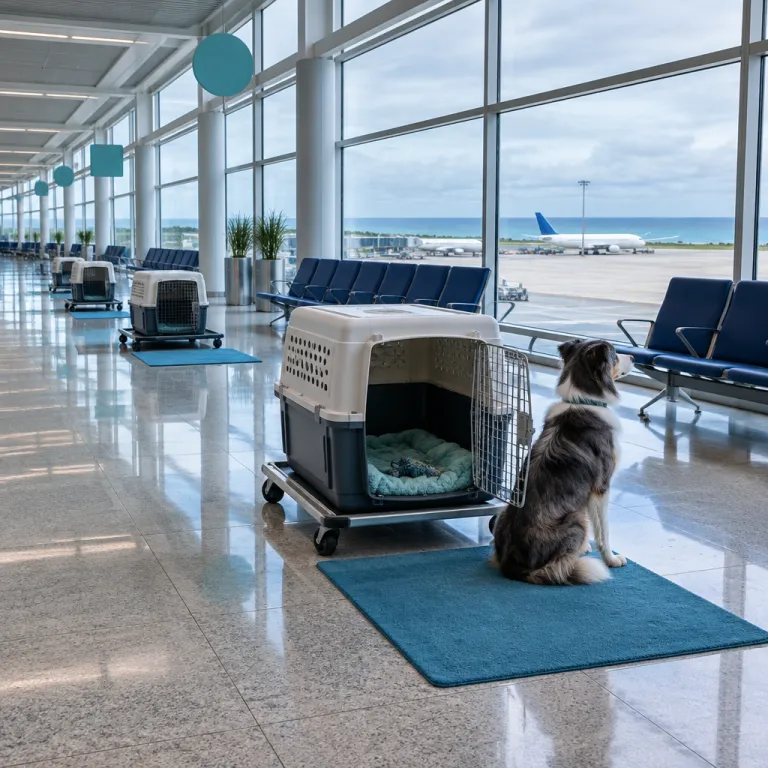
How to crate train your dog for a flight: a six‑week timeline
Flying with a dog is not about bravery, it is about rehearsal. The American Veterinary Medical Association (AVMA) and major carriers such as Delta Air Lines, United Airlines, and American Airlines all emphasize that crate training for a dog flight should begin well before departure, because a dog will only relax inside a travel kennel that already feels routine. When owners start crate training at week two instead of week six, they compress crate time into a stressful countdown and turn the airline crate into a last minute problem rather than a familiar den.
Think of the crate as safety equipment, not a cage, because during air travel it protects your dog from turbulence, shifting luggage, and sudden movement on the tarmac. The International Air Transport Association (IATA) Live Animals Regulations require a secure, escape proof dog crate that meets air travel standards and keeps the pet comfortable for the entire flight, and most airlines mirror those rules in their pet policies. When you plan enough time for crate training, you also have space to refine crate size, bedding, and water systems so the comfortable in flight experience you want actually matches the long haul reality.
The key actors in this process are clear and each has a role. You, as the dog owner, are the trainer who will crate train, set the pace of each step, and build positive associations with the kennel through daily routines. The veterinarian is the advisor who confirms health, explains why sedatives are rarely appropriate for a flight, and helps you read subtle stress signals during crate time, while the airline is the regulator that defines crate size rules, air travel paperwork, and where your crated dog will ride on the aircraft.
Week minus six and minus five: crate start, zero pressure, all positive
At week minus six, your only job is to make the crate boring and good. Place the travel crate in a quiet corner of your home, leave the door open, and let the dog sniff, circle, and step inside the crate on their own schedule while you quietly drop top tier treats near the entrance. This is the crate start phase, where you build positive associations by pairing every glance at the crate with praise, food, or a favorite toy so the dog will link this new object with comfort rather than confinement.
For a nervous pet, shorten each training session and keep expectations low. Aim for three to five mini sessions per day, each lasting only one to three minutes, and end every interaction before your dog wants to leave. Scatter a trail of kibble leading just inside the crate, then a little deeper each day, and sit nearby reading or working so your calm presence becomes part of the comfortable crate story. If you also travel with a cat, bring the empty cat carrier into the same room so both animals experience the new gear together, but train dogs and cats separately to avoid competition or tension around the crates.
By week minus five, start feeding one daily meal inside the dog crate with the door still open. This simple step turns crate training into a predictable routine, and your dog’s sense of comfort grows as they learn that good things happen during every crate session. When you are ready to close the door for a few seconds, stay beside the crated dog, offer positive reinforcement with soft words and a treat the moment the door opens again, and remember that early air travel success is built on dozens of these tiny, uneventful repetitions.
During this phase, research your airline’s pet policies and minimum age rules for dogs and cats, then match those requirements with expert carrier guidance in resources such as choosing the best pet carriers for air travel. Aligning crate size, ventilation, and door strength now prevents last minute changes that could undo weeks of careful crate training. Calm repetition, not intensity, is what will help your dog travel well when the flight finally arrives.
Week minus four to minus three: closing doors, extending crate time, adding motion
As you enter week minus four, the crate is no longer a stranger, so you can gently raise the stakes. Feed full meals inside the crate, close the door for ten to thirty seconds while the dog eats, then open it before they finish so the dog will associate the closed door with security rather than frustration. This is where structured crate training begins in earnest, and where you refine crate size using guidance such as the detailed measurements in pet travel crate size requirements to ensure your pet can stand, turn, and lie down comfortably during a long flight.
By mid week, extend closed door sessions to several minutes while you remain in the same room, reading, working, or quietly moving about. Short, frequent sessions help dogs and even a confident cat learn that crate time is simply another part of daily life, not a punishment, and this repetition builds strong positive associations that will carry through the noise and vibration of air travel. If your dog vocalizes, wait for a brief pause before opening the door, then reward the calm moment so you reinforce the behavior you actually want inside the crate rather than the barking.
Week minus three is the moment to introduce gentle motion. Lift the travel crate a few centimeters, set it down softly, then reward your pet so the first jolt does not arrive on the airport baggage belt, and repeat this step until your dog’s comfortable response returns quickly after each movement. For a small pet or a cat in a cat crate, carry the crate around the room for thirty to sixty seconds, then offer a treat when you stop, because this pattern mimics the sensations of airport handling and helps your animal generalize their positive reinforcement training to real travel conditions. Remember that crate training work is cumulative, and every calm repetition now is one less surprise during the actual flight.
Week minus two to minus one: car rides, vet checks, and gear for air travel
Two weeks before departure, you shift from static practice to real world rehearsal. Secure the dog crate in your car, place your pet inside the crate with a familiar blanket, and take a five minute drive around the block so the dog will feel the combination of engine noise, vibration, and gentle turns while still anchored by weeks of positive associations. Increase these dog travel rides gradually to twenty or thirty minutes, always ending at home or a favorite walking spot so the travel crate predicts something pleasant rather than a stressful appointment.
During this period, schedule your final veterinary visit for health clearance and paperwork. Many airlines require proof of vaccination and a recent exam, and your veterinarian is the advisor who can confirm that your pet is fit for air travel, that the crate size is appropriate, and that any calming products such as pheromone sprays are safe for a long flight. Use this appointment to ask directly about medication, because the expert guidance is clear: “How long before a flight should I start crate training my dog?”, “What size crate is appropriate for air travel?”, and “Are sedatives recommended for dogs during flights?”.
In the final week, run a complete gear check. Confirm that the travel crate door latches smoothly, that water bowls are non spill, that ID tags and microchip details are current, and that your pet can lie in a comfortable crate position without touching the roof, then rehearse one or two more car rides to the airport drop off zone without actually flying. This is also the moment to refine your own packing, from health documents to elegant but practical leashes and harnesses, which you can fine tune using curated guidance on elegant essentials for dog walking accessories when traveling with pets so every step of the journey feels considered.
Flight day: three essential steps and the one thing to avoid
On the day of the flight, your goal is to keep everything as familiar as possible. First, give your dog a proper exercise session several hours before you leave, long enough that they can settle but not so intense that they arrive at the airport overtired, and repeat a shorter version for any cat that will travel in a cat crate. Second, offer a light meal three to four hours before check in so the pet has energy without a full stomach, then allow a final toilet break just before you place them inside the crate for the journey.
The third step is to run a calm, final inspection of the travel crate itself. Check that bedding is dry, that the door closes without sticking, that labels with your contact details are firmly attached, and that your dog’s posture still looks natural when they stand, turn, and lie down, because a long flight amplifies every small pressure point. Many experienced travelers also clip a small pouch with spare leads, waste bags, and wipes to the dog crate handle so they can manage quick transitions during layovers without rummaging through luggage, which keeps both pet and owner composed.
The one thing to avoid is unapproved sedation. Sedatives can interfere with a dog’s ability to regulate body temperature and balance during air travel, and most airlines now require explicit veterinary sign off before any medication is used for a flight, so never improvise with over the counter products. Instead, rely on the six weeks of crate training, the positive reinforcement history, and the quiet rituals you have built around crate time, because those are the tools that will help both dogs and cats handle the air and arrive ready to step back into their usual rhythm.
Advanced tips for multi pet households and anxious travelers
Some readers juggle more than one animal, and that changes the choreography. When you manage both a dog and a cat, assign each pet a dedicated crate, position the cat crate slightly higher or behind the dog crate in the car so the cat feels less exposed, and run separate crate training sessions so each animal can build their own positive associations without competition. During air travel days, stagger crate time so one pet rests inside the crate while the other enjoys a short walk or quiet cuddle, which keeps overall arousal levels lower.
For anxious dogs, extend the calendar to eight weeks and break each step into smaller increments. Instead of jumping from five to twenty minutes, add only a few minutes of crate time every day, pair each increase with a special chew reserved only for the comfortable crate, and keep your own movements slow and predictable around the crated dog so your body language reinforces calm. If your pet has a history of severe fear, work with a qualified trainer who can help you crate train and teach behaviors such as mat relaxation, then layer those skills into the travel crate routine.
Finally, remember that your behavior sets the tone. Arrive at the airport early enough that you never need to rush, speak in a normal voice rather than a high pitched reassurance, and treat check in as just another step in a well rehearsed plan so your dog will mirror your composure. When you respect the full duration of the crate training dog flight calendar, you transform a potentially chaotic experience into a series of familiar rituals, and that is what turns both dogs and cats into confident, frequent flyers.
FAQ: crate training and flying with your dog
How long before a flight should I start crate training my dog?
Begin at least six weeks before departure, especially for a first flight. This allows you to move from open door exploration to long crate time gradually, using positive reinforcement at every step. Anxious dogs may benefit from eight weeks of preparation.
What crate size is appropriate for air travel with my dog?
The crate must be tall enough for your dog to stand without crouching, wide enough to turn easily, and long enough to lie stretched yet supported. As a practical guide, many IATA style recommendations suggest measuring your dog from nose to base of tail and adding roughly ten centimeters for length, and from floor to ear tip and adding about five centimeters for height. Airlines typically follow International Air Transport Association style guidelines, so always confirm exact measurements with your carrier. If you also fly with a cat, apply the same principles to the cat crate, scaled to their body.
Should I sedate my dog for a long flight?
Sedation is generally discouraged because it can affect breathing, balance, and temperature control at altitude. Only use medication if your veterinarian specifically prescribes it for air travel and your airline accepts it with documentation. Rely on thorough crate training and calm handling as your primary tools.
How can I help my dog feel comfortable inside the crate during the flight?
Use familiar bedding, a worn T shirt with your scent, and a safe chew that will last for part of the journey. Maintain a consistent routine in the weeks before travel so the dog associates the crate with rest and predictability. On flight day, exercise your pet, offer a light meal, and keep your own demeanor relaxed.
Can I use the same travel crate for both my dog and my cat?
Each animal should have its own crate that matches its body size and temperament. Sharing a crate can increase stress and may violate airline rules, especially for international routes. Train dogs and cats separately so each builds strong, individual positive associations with their own crate.
Printable preflight crate training and travel checklist
- ✔ Six to eight weeks before: choose an IATA style travel crate, confirm airline pet policy, and start open door exploration.
- ✔ Five weeks before: feed at least one meal per day in the crate, door open, and build positive associations with treats and toys.
- ✔ Four to three weeks before: close the door during meals, extend crate time gradually, and introduce gentle motion while rewarding calm behavior.
- ✔ Two weeks before: secure the crate in your car for short practice drives, then lengthen rides while ending at pleasant destinations.
- ✔ Ten to seven days before: schedule and complete veterinary exam, vaccinations if needed, and health certificate or fit to fly note.
- ✔ One week before: verify crate size, bedding, water system, ID tags, and microchip registration; rehearse an airport drive without flying.
- ✔ Flight day: exercise your dog, offer a light meal three to four hours before check in, provide a final toilet break, and perform a last crate safety check.