Peak District dog friendly holidays: top trails and places to stay
A Peak District dog friendly holiday combines three standout experiences: classic walks such as Kinder Scout, traffic free routes like the Monsal Trail and Tissington Trail, and a wide choice of dog friendly cottages, inns, and hotels in villages including Bakewell, Matlock, and Hope Valley. This national park has become a benchmark for pet inclusive travel in the UK, with clear rules, mapped routes, and accommodation where dogs are genuinely welcome indoors, as outlined by the Peak District National Park Authority in its official visitor guidance.
Why the Peak District is a benchmark for dog friendly nature escapes
The Peak District is one of the rare landscapes where a protected national park and genuinely dog friendly culture coexist in balance. Stretching across 555 square miles, this first designated national park in the United Kingdom (confirmed by the Peak District National Park Authority) has become a reference point for travelers who want their dog beside them on every trail. When you plan a Peak District dog friendly holiday, you tap into a region that has deliberately shaped policies, paths, and places to stay around responsible pet inclusive tourism.
The Peak District National Park Authority oversees access, signage, and conservation, while local accommodation providers curate places to stay where dogs are allowed inside lounges, bars, and often dining rooms. Their shared objective is clear; they want every family and every dog to enjoy open moorland, limestone dales, and traffic free trails without compromising wildlife or livestock. The Authority’s official guidance for dog walkers highlights three core rules: keep dogs on short leads near livestock, clean up after your dog, and check site specific guidelines before visiting, especially during lambing and bird nesting seasons (typically 1 March to 31 July for ground nesting birds across the park).
For pet owners, that framework translates into confidence when choosing a stay in Derbyshire or the wider district. You know that many paths, from the Hope Valley to the Derwent Valley, are mapped with dogs allowed in mind, and that friendly pubs will usually welcome a muddy boot and a sleepy spaniel. This is why the phrase friendly Peak is more than marketing; it reflects a long running collaboration between conservation organisations, local businesses, and tourism boards to make the Peak District dog friendly in practice, not just in name, as reflected in local tourism strategies and park management plans.
Choosing where to stay peak with your dog in Derbyshire
Selecting where to stay in Derbyshire with a dog starts with geography, because each valley and village offers a different rhythm. Around Bakewell, for example, you find riverside walks, gentle gradients, and a cluster of dog friendly cottages and small hotels that cater to family groups with one or more dogs. In contrast, a stay near Kinder Scout suits experienced hikers who want long days on the peak and quiet nights in a rural hotel, farmhouse, or self catering cottage.
When you compare places to stay, look beyond the headline “dog friendly” label and study the details of the stay peak offering. Ask whether dogs are allowed inside the main lounge, whether there is a secure garden tap and hose for muddy paws, and how many dogs are allowed per room during busy holiday breaks. Many properties in Matlock, Derbyshire and the wider Derwent Valley now publish weekly dog policies online, outlining charges, maximum numbers, and any special offer packages for longer nights, so you can confirm the fine print before you book.
Nature lovers who enjoy cabins, hot tubs, and woodland views can apply the same criteria they would use for any pet friendly nature escape. A useful reference is this guide to choosing the perfect pet friendly cabin with a hot tub, which translates well to the Peak District context. Whether you book a small inn in Hope Valley, a farmhouse near the Tissington Trail, or a riverside hotel in Matlock Derbyshire, insist on clear information about outdoor space, nearby walks, and any restrictions on where dogs can sleep within the property.
Walking, hiking, and traffic free trails with dogs in the Peak District
For many visitors, the essence of a Peak District dog friendly trip lies on the paths rather than in the bedroom. The national park has invested in maps, signage, and online resources that highlight where dogs are welcome, where leads are mandatory, and where seasonal restrictions protect ground nesting birds. This clarity allows you to plan full days on the hill while respecting the landscape that makes the district so compelling.
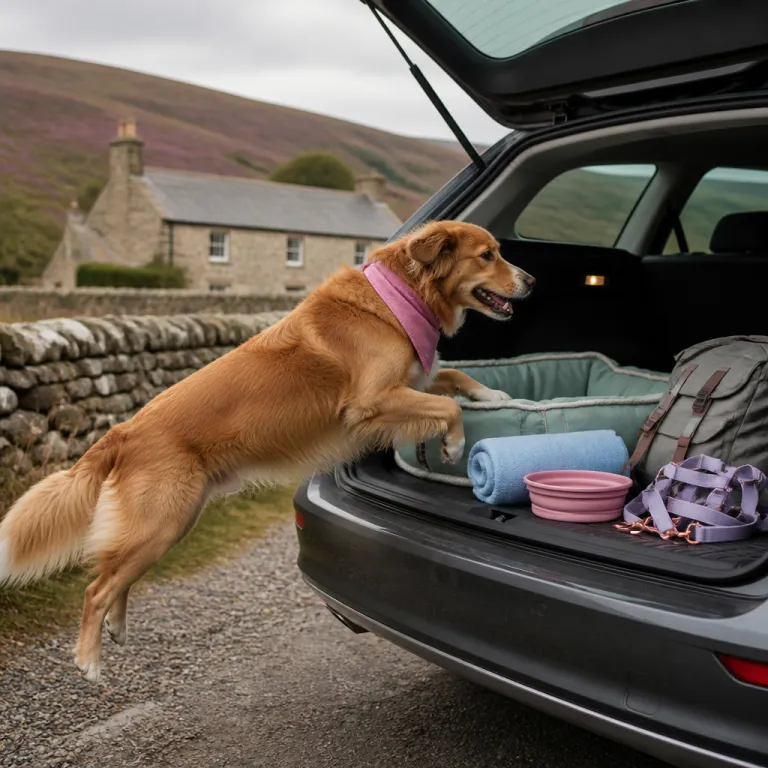
Classic routes such as Kinder Scout demand solid fitness, good navigation, and a realistic assessment of your dog’s stamina. On exposed plateaus, weather changes quickly, so pack a lightweight dog coat, a collapsible water bowl, and a secure boot liner or bike boot mat for the drive back to your stay. For less strenuous outings, the Monsal Trail and the Tissington Trail offer long, largely traffic free corridors along former railway lines, ideal for families pushing buggies or towing a bike trailer with a small dog harnessed safely inside.
If you enjoy structured trail systems, you may recognise the same thoughtful planning that makes Acadia’s carriage roads so appealing to pet owners; this detailed account of hiking inside Acadia with a dog illustrates how clear rules can actually expand freedom. In the Peak District, dogs are often allowed inside visitor centres and some shelters, but always check local signage before you unclip a lead. On any route, from the Hope Valley edges to riverside paths in Derwent Valley, keep a short lead ready near livestock and carry waste bags so that your presence remains as low impact as possible.
Cycling breaks with a dog: bike, boot, and trail logistics
Combining a cycling holiday with a Peak District dog friendly stay requires more planning, yet it can be deeply rewarding. The region’s converted railway lines, especially the Monsal Trail and the Tissington Trail, create long, gentle gradients that suit riders of varied abilities. Because these routes are largely traffic free, they are particularly appealing to families who want children, grandparents, and dogs to share the same landscape at a relaxed pace without worrying about busy roads.
Before you travel, decide how your dog will accompany your bike days, as not every dog enjoys running alongside a cycle. Small breeds may ride in a bike trailer or a specially designed bike basket, while larger dogs often do better with a morning walk on the trail followed by a restful afternoon back at the hotel. Protect your car with a durable bike boot liner, since wet tyres, muddy paws, and outdoor gear can quickly overwhelm an unprotected boot after several consecutive nights of active use.
On the ground, use water points and café taps along the trail to refill bowls, but always carry your own supply in case facilities are closed. Many friendly pubs close to the main cycling corridors now advertise that dogs are allowed inside bar areas, which transforms a simple ride into a leisurely day out with regular rest stops. When you plan weekly itineraries, alternate longer rides with shorter walks so that both humans and dogs enjoy the stay peak experience without fatigue or overuse injuries.
Dog friendly pubs, food stops, and village culture
Village life is one of the quiet pleasures of a Peak District dog friendly escape, and local hospitality plays a central role. From Bakewell to Hope Valley, many inns and cafés now treat canine guests as part of the family rather than an afterthought. Chalkboards outside often state clearly that dogs are allowed inside, which removes the awkward uncertainty that still lingers in less pet aware regions and helps you choose a welcoming venue at a glance.
When choosing where to eat, look for friendly pubs that offer both a warm fire and practical touches such as water bowls, a nearby tap, and tiled floors that welcome muddy paws. In some Derbyshire villages, landlords keep a jar of treats behind the bar and can point you towards short evening walks that suit older dogs after long daytime hikes. This informal local knowledge often proves more valuable than any printed guide, especially when you want a quiet loop close to your hotel before bed.
For travelers who enjoy combining rural stays with urban pet friendly city breaks, it is worth studying how other destinations manage dog access to restaurants and bars. A useful comparison is this guide to pet friendly city breaks, which shows how clear communication about where dogs can sit, eat, and rest reduces friction for everyone. In the Peak District, the same principle applies; when venues publish dog policies online and on doors, visitors can plan their nights and breaks around venues that genuinely welcome four legged guests.
Practical etiquette and safety for dogs in the Peak District National Park
Responsible behaviour is the foundation that keeps the Peak District dog friendly for future visitors. The park authority, local farmers, and conservation groups share a simple message; enjoy the landscape fully, but never at the expense of wildlife or livestock. That balance depends on thousands of small decisions made by individual dog owners every day, especially during sensitive periods such as lambing and the bird nesting season from 1 March to 31 July, which the Peak District National Park Authority highlights in its dog walking advice.
Always carry a short, sturdy lead and use it near sheep, cattle, and signed nesting areas, even if your dog usually walks to heel. In open country, scan ahead for ground nesting bird markers and follow any seasonal diversions, because these measures protect fragile populations that define the character of the district. Pack essentials such as a towel, spare collar, identification tag, and a compact first aid kit in your day pack or car boot, so that minor cuts or ticks do not cut short your stay.
Hydration is another non negotiable, especially on exposed routes above Kinder Scout or along ridge lines in Hope Valley. Streams are not always reliable, so treat every café, pub, or visitor centre tap as an opportunity to refill your dog’s bowl and your own bottle. By combining this practical care with respect for local rules, you help ensure that the Peak District remains a genuinely friendly peak environment where the best dog memories are made without leaving a trace.
Key figures for dog friendly travel in the Peak District
- The Peak District National Park covers 555 square miles, according to the Peak District National Park Authority, which means ample space to separate busy dog walking corridors from sensitive conservation zones.
- The park was designated as the first national park in the United Kingdom in the middle of the twentieth century, a status that underpins today’s careful balance between recreation and protection.
- Local tourism boards report a steady rise in dog friendly accommodations and trails, reflecting wider growth in pet inclusive travel across the United Kingdom over the past decade.
- Management bodies highlight that keeping dogs on short leads near livestock significantly reduces incidents with farmers’ animals, protecting both rural livelihoods and visitor access.
- Conservation organisations note that clear signage and online guidance for dog owners increase compliance with seasonal restrictions on ground nesting bird areas.
FAQ: traveling with dogs in the Peak District
Are dogs allowed off lead in the Peak District National Park ?
Dogs should be kept on leads near livestock and during ground nesting bird season, as this protects both farm animals and sensitive wildlife. In some open access areas, off lead walking is permitted when no livestock is present and signs do not state otherwise. Always carry a lead and follow local instructions, because rules can vary between estates and conservation zones.
Are there dog friendly pubs in the Peak District villages ?
Yes, many pubs welcome dogs; check local listings and venue websites before you arrive. In popular hubs such as Bakewell, Hope Valley, and Matlock Derbyshire, it is common to find dogs allowed inside bar areas and sometimes in dining rooms. Water bowls, treats, and outdoor seating are widely available, especially on main walking and cycling routes.
Can I take my dog on public transport within the Peak District ?
Policies vary; confirm with specific transport providers before you travel, especially for longer bus or train journeys. Many regional services in Derbyshire accept dogs at the driver’s discretion, usually requiring leads and sometimes muzzles for larger breeds. Always allow extra time, carry a spare lead, and avoid the busiest commuter periods when possible.
How can I find genuinely dog friendly accommodation in the Peak District ?
Look for properties that state clearly that dogs are allowed inside lounges or bars, not just in rooms or gardens. Reputable places to stay will outline pet charges, maximum numbers of dogs, and any restricted areas on their booking pages. Reading recent guest reviews from other dog owners is one of the most reliable ways to judge how truly friendly a property is.
What should I pack for a dog friendly hiking break in the Peak District ?
Essential items include a well fitting harness, a short lead, waste bags, a collapsible water bowl, and a towel for drying after wet walks. For longer routes such as Kinder Scout or full days on the Monsal Trail, add a lightweight dog coat, high value treats, and a basic first aid kit. A protective liner for your car boot will also make it easier to manage mud and moisture over several active nights away.