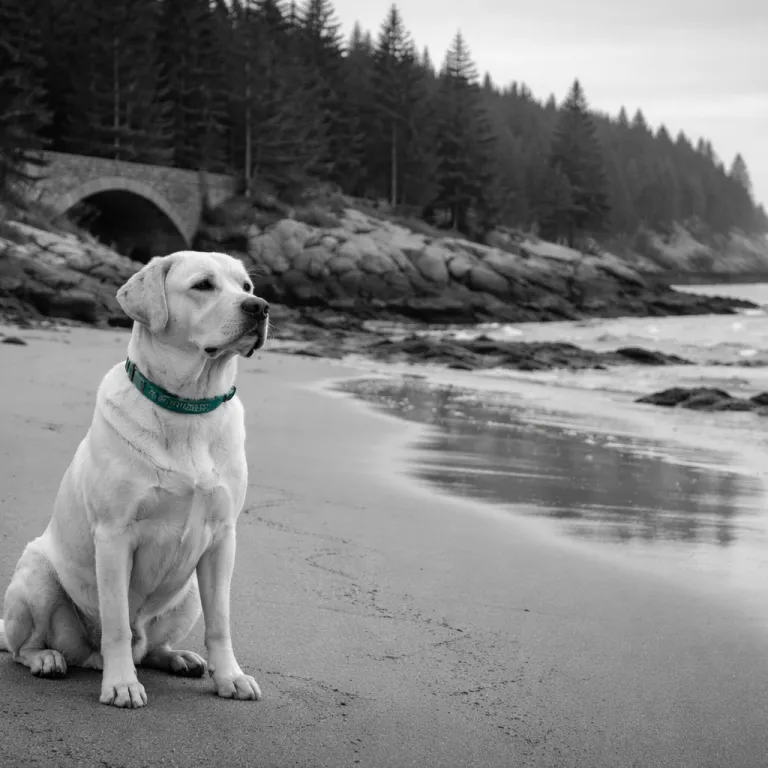
Why Acadia National Park feels built for the solo hiker with a dog
Acadia National Park is one of the rare U.S. national parks where a dog is treated as a trail partner, not a problem to be managed. On Mount Desert Island, the park weaves roughly 100 miles (about 160 kilometres) of dog friendly hiking trails with 45 miles (around 72 kilometres) of historic carriage roads, so a solo traveler and a calm dog can move all day without repeating a loop. That combination makes the Acadia National Park dog-friendly experience feel unusually generous, especially compared with stricter national parks in the American West.
For a solo explorer, the appeal is simple yet profound: you can land in Bar Harbor, clip on a six foot leash and step straight from a pet friendly inn into the woods without needing a car every morning. The National Park Service confirms that leashed dogs are allowed on most hiking trails and all carriage roads, with clear exceptions for ladder routes and a few steep cliff paths that would be unsafe for any dog. Park management at Acadia National Park frames the policy clearly: “Leash regulations enforced year-round. Beach restrictions from May 15 to September 15. Certain trails closed to dogs permanently,” and the official park map and pet regulations page echo the same rules.
That clarity matters when you are planning a long weekend around your acadia dog rather than squeezing them into a human focused itinerary. You can check the official national park map in advance, highlight every trail where dogs are allowed, and build a sequence of hikes that match your dog’s fitness and your own appetite for distance miles. As one solo hiker put it after a foggy morning on the carriage roads near Witch Hole Pond, “I never felt like my dog was an exception here; it felt like the park expected us.” The result is a national level landscape where a solo hiker and a dog can share granite, forest and harbor views without constant compromise or awkward workarounds.
Three carriage road loops for contemplative walking with a leashed dog
The carriage roads are where Acadia National Park feels almost meditative for a solo traveler walking with a dog. These wide, car free gravel routes were designed for horse drawn carriages, which means the gradients are gentle, the curves are elegant and the views unfold slowly enough for both human and pet to breathe. With 45 miles of carriage roads open to leashed dogs, you can choose loops that suit a reflective mood rather than chasing summits every day, and you can usually reach at least one loop via the seasonal Island Explorer bus from Bar Harbor.
Start with the Jordan Pond carriage loop, a classic 5 to 6 miles (8 to 9.5 kilometres) around the pond with constant water views and glimpses of the Bubbles mountain peaks. Most hikers take 2 to 3 hours at a relaxed pace, including photo stops and water breaks. The surface is kind to paws, there are frequent spots to step off and let your dog drink, and the distance miles are manageable even for a moderately fit pet on a cool day. This is also an ideal place to apply broader nature escape strategies from guides such as the ultimate guide to traveling with pets in nature escapes, especially around pacing, hydration and reading your dog’s body language.
For a quieter loop, the Eagle Lake carriage roads offer 6 to 8 miles (9.5 to 13 kilometres) of shoreline and forest, with long stretches where you may only meet a handful of other dogs. Plan on 2.5 to 3.5 hours depending on how often you stop to let your dog sniff or rest in the shade. On a third day, link sections of the carriage roads near Long Pond and the western side of Mount Desert Island, where the forest feels denser and the national park crowds thin out; parking is typically easier at these western trailheads than at the busiest lots near Jordan Pond House. Across all three loops, choose routes that match your dog’s stamina, carry waste bags, and check the latest park notices at the trailhead so your contemplative hike does not conflict with wildlife protection zones.
Choosing Bar Harbor or Southwest Harbor as your dog friendly base
Where you sleep shapes how Acadia National Park dog-friendly your stay will feel, especially as a solo traveler who wants to walk out the door with a dog before breakfast. Bar Harbor, on the northeastern edge of Mount Desert Island, is the obvious hub, with the park entrance, harbor views and multiple friendly hotels that accept pets within walking distance. In high season, the town can feel busy, but the trade off is immediate access to the Shore Path, quick drives to Sand Beach and Jordan Pond, and easy logistics if you arrive without a car thanks to Island Explorer bus stops near many inns.
Look for genuinely pet friendly properties in Bar Harbor rather than places where dogs are technically allowed but not really welcomed. The best friendly hotels will offer ground floor rooms with direct outdoor access, a clear policy on where dogs are allowed in common areas, and staff who can point you to specific hiking trails rather than just handing over a generic park brochure. When you check availability, ask explicitly about pet fees, maximum dog size, and whether they can recommend a local dog walker or sitter for the rare evening when you want a bar seat and a long dinner without worrying about your pet.
If you prefer a quieter base, Southwest Harbor on the “quiet side” of Mount Desert Island offers a different rhythm with easier parking and fewer crowds. From here, you are closer to Long Pond, several underused hiking trails and some of the western carriage roads, which can be a good match for a reactive dog that needs more space. For coastal inspiration beyond Maine, compare the feel with other pet friendly escapes such as the low key beaches near Tallahassee described in this guide to pet friendly escapes around Florida beaches, then decide which harbor suits your travel style and your dog’s tolerance for noise, traffic and busy sidewalks.
Seasonality, specific trails and how to read Acadia with a dog’s eyes
Timing your trip is as important as choosing the right trail when you want Acadia National Park dog-friendly in practice, not just on paper. The shoulder seasons of April to May and October are particularly good for solo travelers with dogs, because temperatures are cooler, parking is easier and the Atlantic is cold enough that a quick plunge at Sand Beach feels like a deliberate ritual. Outside the peak summer window, you will also find more space on popular routes near Jordan Pond, Cadillac Mountain and the coastal hiking trails that frame the eastern side of the park.
Not every trail is appropriate for every dog, even if dogs are allowed according to the national park map. Ladder trails with iron rungs, such as the Precipice and Beehive, are closed to dogs entirely, and you should also skip exposed ridge routes if your dog is anxious with heights or unpredictable around other pets. Tide pool areas near the Ocean Path between Sand Beach and Otter Point can be fascinating, but keep your dog on a short leash, avoid letting them drink salt water, and watch for sharp barnacles that can slice unprotected paws.
For a reactive or noise sensitive dog, choose wider hiking trails and carriage roads where you can create distance quickly, such as the loops around Eagle Lake or the forested paths near Long Pond. Always check the latest pet rules at visitor centres or on the official Acadia National Park website before you hike, because seasonal wildlife closures can affect where dogs are allowed and which beaches are open to pets. If you want a deeper sense of how high end properties manage pet policies and on site dog activity without gimmicks, this behind the scenes piece on what an animal concierge really does offers useful context for reading between the lines of any pet friendly promise.
Gear, health logistics and the quiet trade offs of a wild coastline
Acadia’s granite, forest and Atlantic weather are beautiful, but they ask more of both dog and human than a city park stroll. Before you arrive, speak with your veterinarian about tick prevention timed specifically for coastal Maine, because wooded hiking trails and long grass near carriage roads can harbour ticks well into the cooler months. Pack a lightweight dog first aid kit, a collapsible bowl, and enough water for both of you on any hike longer than 5 miles (8 kilometres), since streams and ponds such as Jordan Pond or Long Pond are not guaranteed safe for drinking.
Paw protection is worth serious consideration on this terrain, especially if your dog is used to softer ground. Granite slabs on routes near Cadillac Mountain, exposed sections above Sand Beach and sun warmed carriage gravel can all be harsh on unconditioned pads over several distance miles. Test dog boots at home before the trip, or at least carry a wax based paw balm and plan your hike timing so you are not crossing bare rock in the hottest part of the day.
There are also structural trade offs that come with choosing a relatively wild national park as your pet friendly escape. Cellular coverage can be patchy on parts of Mount Desert Island, particularly on the western side and some interior valleys, so download offline maps and share your planned loop with a friend before you set out. Veterinary care on the island is limited to a small number of clinics, so carry your dog’s medical records, know the phone number for Acadia National Park management at 207-288-3338, and identify a 24 hour emergency vet on the mainland, such as Eastern Maine Emergency Veterinary Clinic in Brewer at 207-989-6267, before you need it.
Practical planning checklist for an Acadia National Park dog-friendly escape
Thoughtful planning turns Acadia from a theoretical dog friendly destination into a genuinely seamless experience for a solo traveler and their dog. Start by confirming that your chosen dates align with your dog’s comfort zone: cooler months are better for most breeds, and the April to May and October windows balance quiet trails with manageable weather. When you check availability at friendly hotels in Bar Harbor or Southwest Harbor, ask about proximity to a grassy area, ground floor exits and any restrictions on leaving a pet unattended in the room.
Next, map out a three to five day rhythm that alternates longer carriage road loops with shorter hikes to viewpoints, so your dog has recovery time. For example, pair a full Jordan Pond carriage loop one day with a gentler shoreline hike near Bar Harbor the next, then tackle a moderate ascent towards the shoulders of Cadillac Mountain via a dog friendly trail rather than the steepest route. As a rough guide, allow 20 to 30 minutes to drive from Bar Harbor to major trailheads and parking areas, or factor in extra time if you are relying on the Island Explorer shuttle, and always carry a printed national park map as backup because cellular dead zones can make phone based navigation unreliable in forested sections.
Finally, build in margin for rest and simple harbor walks, because not every moment needs to be a summit or a long pond circuit. A slow evening stroll along the waterfront in Bar Harbor, a quiet bench above Sand Beach, or a short wander on the carriage roads at dusk can be as satisfying for a dog as a long hike. By respecting leash rules, avoiding restricted areas, and carrying waste bags on every outing, you help ensure that Acadia remains one of the most genuinely dog friendly national parks for future solo travelers and their four legged companions.
FAQ
Are dogs allowed on all trails in Acadia National Park ?
Are dogs allowed on all trails in Acadia? No, dogs are prohibited on ladder trails and certain beaches. In practice, that means routes with iron rungs or very steep cliffs are off limits, while most forested hiking trails and all carriage roads welcome leashed dogs. Always verify the latest closures at visitor centres or on the official map or pet regulations page before you start a hike.
What leash rules apply to dogs in the park ?
The park requires that your dog be on a leash no longer than 1.8 metres at all times, including on carriage roads and around ponds. This protects wildlife, other visitors and your own pet, especially near cliffs or busy viewpoints. Retractable leashes are discouraged because they can be difficult to control in crowded sections and may not meet the spirit of the National Park Service rules.
When are the beaches accessible for dogs ?
Key swimming areas such as Sand Beach have seasonal restrictions where dogs are not allowed during the main summer period, typically from May 15 to September 15. Outside that window, leashed dogs can usually access the shoreline, but you should still avoid letting them drink seawater or chase wildlife. Check current signage at each beach, because rules can vary slightly between locations and may change with wildlife nesting seasons.
Are there pet friendly accommodations near Bar Harbor and Southwest Harbor ?
Yes, several local lodgings welcome pets. In Bar Harbor, multiple friendly hotels accept dogs and provide easy access to the national park entrance and harbor walks. Southwest Harbor offers quieter pet friendly inns closer to Long Pond and the western hiking trails, which can suit travelers seeking more space and a slower pace at the start and end of each hiking day.
What should I pack for my dog when visiting Acadia ?
Bring a sturdy 1.8 metre leash, waste bags, a collapsible water bowl and enough water for every hike. Tick prevention, paw protection and a copy of your dog’s vaccination records are also important, given the wooded terrain and limited veterinary options on Mount Desert Island. A printed national park map helps you choose dog friendly routes even when mobile coverage drops, and a small first aid kit lets you handle minor cuts from granite or barnacles before you reach a clinic.