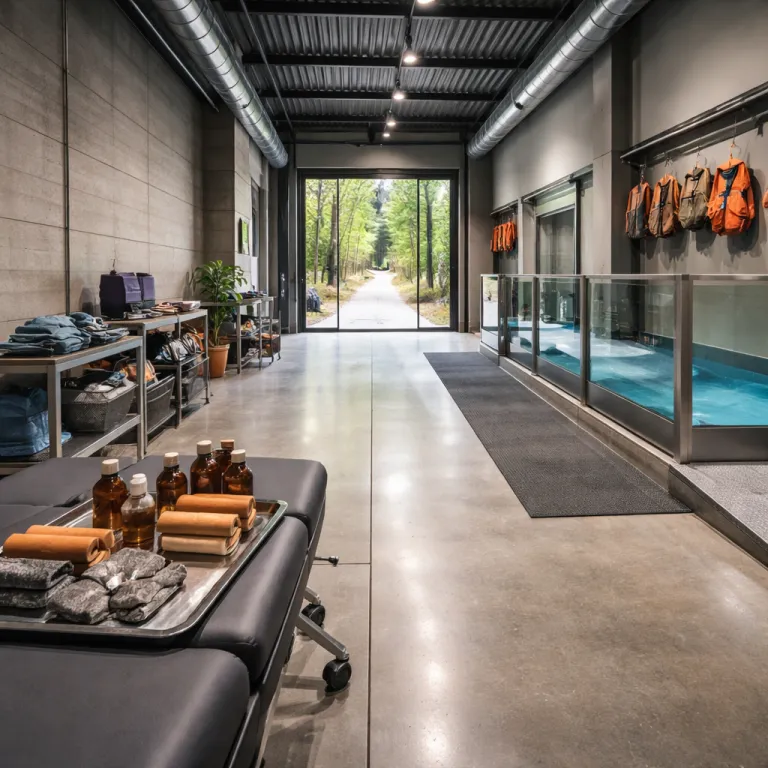
The rise of the true dog spa retreat
A new kind of dog spa retreat is emerging quietly, built around structured wellness rather than cute robes and photo props. These programs treat each dog as an athlete or a senior client in need of tailored care, not as a prop for a social media moment. For traveling families who see their pet as a best friend rather than luggage, this shift changes how you plan every day away from home.
Across the United States, a handful of properties now blend resort spa thinking with veterinary oversight, purpose built hydrotherapy pools, and calm indoor outdoor suites that keep pups genuinely relaxed. Places such as Antonia's Paw Spa & Retreat in Jackson or Posh Pooch Resort & Day Spa in Colorado operate as full service boarding and grooming facility options, yet their wellness focus makes them feel closer to a pet retreat than a traditional kennel. When you arrive as overnight guests, staff walk you through how they will keep your dog covered from the first day play session to the last grooming services appointment.
The market context matters, especially if you travel often with dogs and want consistent standards. Pet services spending in the United States now runs into several thousand million dollars annually, and more than eighteen thousand grooming businesses compete to care for your pet on any given day. That volume makes it essential to learn how to read between the lines of any promised retreat spa experience and separate safe loving care dog programs from pure marketing.
Operators that take wellness seriously usually partner with local veterinarians, animal behaviorists, and dog trainers to design their day care and boarding routines. Many of these facilities, including Serenity Dog Retreat and Hassayampa Canine Resort & Spa, use natural products, aromatherapy, and carefully zoned indoor play and outdoor play areas to keep arousal levels low. When a dog will be staying for more than one night, the team will often schedule structured group classes or one to one sessions to help the dog learn calm behaviors that translate back into your everyday travel life.
For traveling families, the most reassuring detail is often the physical layout of outdoor spaces and suites. A genuine resort spa style property will separate quiet senior dogs from high energy three dogs play pods, and it will provide climate controlled rooms that feel more like a small resort than a kennel block. Look for language about state art filtration, supervised outdoor spaces, and clear emergency procedures ; these are the signals that the facility is designed to keep every pet safe rather than simply maximise capacity.
Where aquatherapy and trail conditioning are already real
Hydrotherapy for dogs is no longer a niche rehabilitation tool hidden in veterinary hospitals. In Europe and on the American West Coast, a small cluster of dog spa retreat programs now build entire stays around aquatherapy, massage, and low impact conditioning. For a traveling family with an older pet or a large breed dog prone to joint issues, these destinations can turn a simple holiday into a meaningful reset.
In practice, canine aquatherapy means a purpose built pool or underwater treadmill supervised by a qualified therapist, often with a veterinarian on call to keep the session safe. Facilities such as Posh Pooch Resort & Day Spa and Maui Dog Resort integrate these sessions into broader day play schedules, alternating warm water work with gentle indoor play or shaded outdoor play so that dogs never overheat. Senior dogs, post surgery patients, and overweight pets benefit most, because the water supports joints while still letting muscles work over time.
Trail wellness programs are emerging in mountain regions, where the landscape itself becomes part of the retreat spa design. In the Rocky Mountain corridor, several canine focused properties now offer guided conditioning walks that gradually increase distance and elevation over a three day stay. The dog will start with a short, flat morning walk on day one, then progress to longer, cooler hour long hikes in the forest, always with staff trained to read gait changes and keep pups within their limits.
For owners, the question is whether the resort is built around your wellness or your dog's. Some properties pair human yoga classes and massage with parallel dog care dog sessions, while others channel all investment into canine hydrotherapy pools, outdoor spaces, and grooming services. When you travel with children, the most practical format is often a mixed schedule where the family hikes together in the morning, then the pet spends the afternoon in structured day care while you explore nearby museums or enjoy the resort spa.
Before you book, read independent facility reviews and ask directly about veterinary partnerships and staff training. The most credible operators, such as Pet Spa & Retreat in Texas or Rustic Paws Retreat & Spa in the countryside, can explain which dogs are suitable for aquatherapy and which should stick to gentle indoor outdoor rest and short walks. If your itinerary includes a brachycephalic breed with heavy shedding, pairing a hydrotherapy stay with a solid grooming plan and resources like this guide to managing pug shedding while traveling helps you keep the whole trip comfortable.
Inside a structured canine wellness stay
A well designed dog spa retreat runs more like a human health resort than a casual daycare. Your pet's day is broken into blocks of movement, rest, mental work, and grooming, with staff tracking how the dog responds to each element. That structure is what separates a true pet retreat from a simple boarding facility that happens to offer a bath.
At The Dog Retreat & Spa, for example, a typical day care schedule might start with a slow morning stretch in a quiet indoor play room, followed by small group classes that focus on leash manners or confidence building. After a rest period in a climate controlled suite, dogs rotate through outdoor play yards, puzzle feeding, and one to one handling so that every dog will have both social and individual attention. This kind of programming keeps arousal balanced and helps anxious guests learn that time away from home can still feel safe loving and predictable.
Grooming services are not an afterthought in these environments ; they are part of the wellness plan. Serenity Dog Retreat, which emphasises natural products and aromatherapy, often schedules light grooming or massage style brushing after active sessions to help care dog clients downshift. For families juggling multiple species, pairing a canine spa schedule with a clear feline plan, such as the advice in this guide to male cat care before and after neutering, keeps the whole household aligned on health.
From a travel logistics perspective, the most useful properties operate year round and offer flexible check in times that match flight schedules. Many, including Rover Retreat and Hassayampa Canine Resort & Spa, provide online booking systems where you can upload vaccination records, specify feeding routines, and outline any medical notes long before the day of arrival. That preparation allows the équipe on site to keep pups on their usual timetable, reducing stress for both dogs and owners.
Families often ask whether a three day stay is enough to change behavior or fitness. The honest answer is that a short retreat spa visit can reset routines, ease stiffness, and give you a clear care plan, but it will not undo years of under exercise or anxiety. Think of these programs as an intensive assessment and tune up ; the real results come when you continue the same patterns of structured play, measured day play, and regular grooming once you return home.
How to vet a dog spa retreat before you book
Choosing the right dog spa retreat for a traveling family starts long before you load the car. The questions you ask by email or phone will tell you whether the marketing matches the on the ground reality. A credible operator welcomes detailed queries, because they signal that you value your pet as much as they do.
Begin with veterinary oversight, because this is the single clearest marker of seriousness. Ask whether a veterinarian has helped design the exercise protocols, whether there is a vet on call, and how the facility handles emergencies during outdoor play or group classes. If the team cannot explain their relationship with local clinics or how they keep every dog covered in a medical sense, you are not looking at a true wellness resort spa.
Next, drill into daily structure and staff ratios rather than headline amenities. Request a sample timetable that shows when indoor play, outdoor spaces time, rest, and grooming services occur, and ask how many dogs each handler supervises during day play. A safe loving program will cap group sizes, separate energy levels, and offer quiet zones for sensitive dogs, while a volume driven boarding operation may simply rotate large packs through the same yard.
Physical design matters as much as programming, especially when you travel with children who may visit the facility. Walk through the indoor outdoor runs, check that fencing is secure, and look for shaded outdoor spaces with non slip surfaces and fresh water at multiple points. Climate controlled sleeping areas, sound dampening, and clear signage about cleaning protocols all signal a state art approach to hygiene and comfort.
Finally, consider how the retreat fits into your own travel plans and wellness goals. Some families want a pet retreat that mirrors their spa schedule, with massage for humans while the best friend naps after aquatherapy ; others prefer a more active format where the dog will join long hikes and only use daycare for short windows. Aligning expectations early prevents disappointment and ensures that the time you and your pet spend apart feels purposeful rather than like simple boarding.
What a three day canine retreat can realistically change
Even the most carefully designed dog spa retreat has limits, and understanding them is part of being a responsible traveler. A long weekend in a resort spa environment can ease stiffness, improve coat condition, and reset sleep patterns, but it cannot rewrite a lifetime of habits. Think of these stays as concentrated wellness workshops rather than miracle cures.
Physically, three days of aquatherapy, controlled outdoor play, and massage can reduce inflammation and help senior dogs move more freely. For a young, high energy dog, the same program may simply provide a safe loving outlet for pent up energy, leaving you with a calmer companion for the rest of your holiday. Behavioral change, however, requires repetition over time, so any gains in leash manners or social skills during group classes must be reinforced once you leave the facility.
The emotional impact is often more subtle but equally valuable. Dogs that have only known rushed day care or noisy boarding can learn, in a well run retreat spa, that separation from their family does not always mean stress. Calm handling, predictable day play blocks, and gentle grooming services teach them that new environments can feel secure, which pays dividends on future trips through airports, ferries, and city hotels.
For owners, the main benefit is clarity about what your pet actually needs. After observing how your dog responds to indoor play versus outdoor spaces, or how quickly they tire on conditioning walks, you can adjust your travel rhythm to keep pups within their comfort zone. Resources such as this guide to stress free journeys with pets help you translate retreat insights into everyday itineraries.
One final reality check concerns cost and frequency. High quality pet retreat programs with veterinary input, low staff to dog ratios, and state art facilities are not cheap, so most families will use them sparingly at key moments in a dog's life. That makes it even more important to arrive with clear goals, ask for written take home plans, and commit to maintaining the same level of care dog routines once you are back in your own neighborhood park.
Travel grooming strategy: keeping spa standards on the road
Wellness does not end when you check out of a dog spa retreat and load the car for the next leg of your journey. The way you manage grooming, rest, and play on the road determines whether those carefully earned gains last. A simple, repeatable routine is more powerful than any single luxury treatment.
Start by replicating the retreat's rhythm of movement and calm wherever you stay. Schedule short morning walks, a focused block of outdoor play or day play in a secure area, then a quiet period of indoor play with puzzle toys or chews. This pattern mirrors what high quality boarding facilities such as Antonia's Paw Spa & Retreat or Pet Spa & Retreat use to keep arousal balanced across dozens of dogs each day.
Grooming on the move should feel like a continuation of spa care, not an afterthought. Pack the same brushes and gentle products your pet retreat used, and set aside ten minutes each evening for a light brush, quick paw check, and calm body scan to keep pups comfortable. If you travel with three dogs or more, rotate this ritual so that each dog will associate your hands with relaxation rather than rushed maintenance.
When you need ad hoc support mid trip, look for local operators whose language echoes the best practices you have already experienced. Facilities such as Rustic Paws Retreat & Spa or Rover Retreat, which emphasise low stress handling and safe loving environments, are more likely to align with your standards than generic day care chains. Always confirm that vaccinations are current, ask how they keep every dog covered during mixed energy play, and request a brief report at pick up so you can track any changes over time.
Finally, remember that your presence remains the most powerful wellness tool your pet knows. Even in the most polished resort spa, a few minutes of quiet contact with their best friend can settle an anxious traveler faster than any aromatherapy blend. Use retreats, boarding, and daycare as structured support, but keep the core bond between you and your dog at the centre of every journey.
FAQ
What services do dog spa retreats offer?
They offer grooming, boarding, spa treatments, and play sessions. In practice, that usually means structured day care, supervised indoor outdoor exercise, and tailored grooming services alongside comfortable suites. Many facilities also add extras such as massage, aquatherapy, and training based group classes.
Are dog spa retreats safe for all breeds?
Are dog spa retreats safe for all breeds? Yes, they cater to various breeds with appropriate care. Reputable operators separate dogs by size, age, and temperament, and they adjust outdoor play intensity to match each dog's needs.
How do I choose the right dog spa retreat?
How do I choose the right dog spa retreat? Consider services offered, staff qualifications, and facility reviews. You should also ask about veterinary partnerships, emergency protocols, and how many dogs each handler supervises during day play.
What should I bring to a dog spa retreat?
What should I bring to a dog spa retreat? Bring your dog's food, medications, and comfort items. Adding a familiar bed, a worn T shirt with your scent, and clear written feeding instructions helps staff keep your pet settled.
Do dog spa retreats require vaccinations?
Do dog spa retreats require vaccinations? Yes, up to date vaccinations are typically required. Most facilities will ask for proof of core vaccines and may also request protection against kennel cough and parasites before accepting new guests.