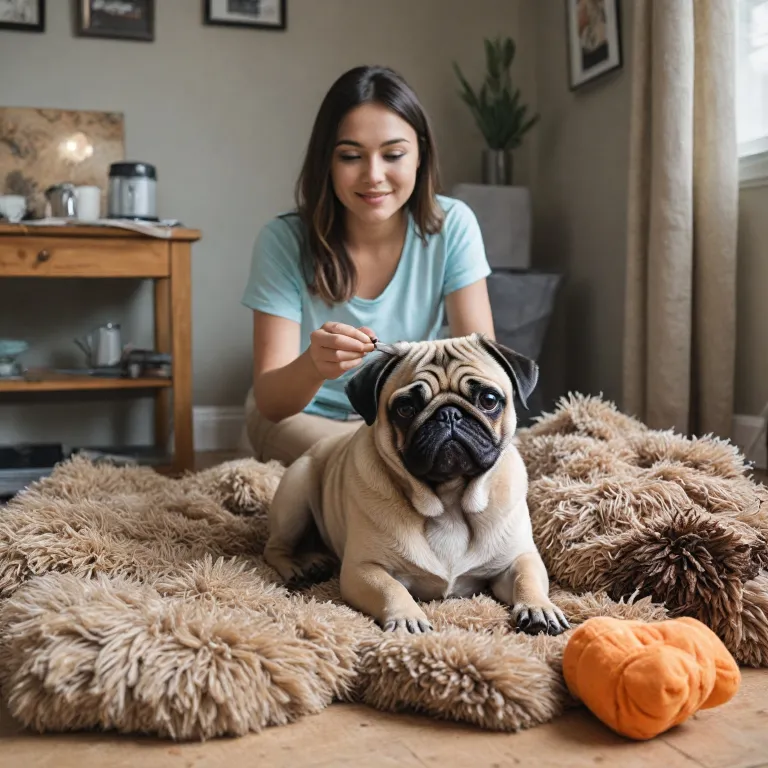
The reality of pug shedding: what to expect as an owner
Pugs are beloved for their affectionate personalities and charming appearance, but many new pug owners are surprised by the amount of hair these dogs shed. Shedding is a natural process for every dog, but pugs shed year-round, with noticeable increases during seasonal changes. The question "do pugs shed" is common among those considering this breed, and the answer is a definitive yes. Pug shedding is influenced by their unique coat structure, which can be either single or double. Fawn pugs typically have double coats, leading to more shedding, while black pugs are more likely to have single coats and shed less. However, all pugs, regardless of color, will shed to some extent. Owners of pugs must be prepared to manage hair on furniture, clothing, and car interiors, especially when traveling with pets. Shedding is not just about aesthetics; it also reflects the health of the pug's skin and coat. Regular grooming and attention to the pug's diet can help minimize excessive shedding and promote a healthy coat. Understanding the shedding patterns of pugs is essential for anyone planning to travel with their pet, as it impacts packing, cleaning routines, and even accommodation choices. For those who travel frequently, being proactive about pug shedding can make journeys more comfortable for both the dog and the owner. The breed's popularity means that many resources and products are available to help manage shedding, from specialized brushes to travel-friendly grooming kits. Ultimately, accepting that pugs shed is the first step toward effective management and a harmonious travel experience.Understanding pug coats: single versus double coats and their impact on shedding
The type of coat your pug has plays a significant role in how much they shed. Fawn pugs usually have double coats, consisting of a soft undercoat and a coarser outer layer, which leads to more pronounced shedding. In contrast, black pugs are more likely to have single coats, resulting in less hair loss. According to recent data, approximately 75% of black pugs have single coats, making them a preferred choice for those seeking minimal shedding. However, even single-coated pugs shed, so no pug is entirely free from this trait. The presence of double coats in pugs means that during seasonal changes, especially spring and autumn, shedding can increase significantly. This is when the undercoat is replaced, leading to more hair around the home and in travel environments. Brushing pug coats regularly is essential to manage both types of coats, but the tools used may differ. For single-coated pugs, a bristle brush or deshedding glove is recommended, while double-coated pugs benefit from a slicker brush. Brushing not only removes loose hair but also distributes natural oils, keeping the skin healthy and the coat shiny. Owners of pugs should also be aware that regular grooming helps detect skin issues early, which is crucial for maintaining overall health. When traveling, packing the right grooming tools ensures that shedding is kept under control, regardless of the coat type. For more detailed grooming advice, visit our comprehensive guide on managing dog hair while traveling. Understanding the difference between single and double coats empowers pug owners to tailor their grooming routines and minimize the impact of shedding, both at home and on the road.Essential grooming routines: brushing, bathing, and managing pug hair on the go
Effective grooming is the cornerstone of managing pug shedding, especially for owners who travel frequently. Regular brushing is vital for removing loose hair and preventing it from accumulating in your living space or vehicle. For pugs with double coats, using a slicker brush helps reach the undercoat, while single-coated pugs benefit from bristle brushes or deshedding gloves. Brushing pug coats at least three times a week can significantly reduce the amount of hair shed, making travel more pleasant. Bathing your pug is another important aspect of grooming, but it should be done with care. Overbathing can strip the skin of natural oils, leading to dryness and increased shedding. Use a gentle, dog-specific shampoo and bathe pug only when necessary, such as after outdoor adventures or when the coat becomes dirty. When traveling, portable grooming tools and wipes can help maintain your pug's coat between baths. Managing pug hair in travel environments also involves preparing your car or accommodation with protective covers and lint rollers. For those seeking additional tips on keeping their pet comfortable during trips, our article on traveling with pets: essential tips for a smooth journey offers practical advice. Shedding is a normal part of pug ownership, but with consistent grooming, you can keep your pet's coat healthy and your travel spaces clean. Remember, "For single-coated Pugs, a bristle brush or deshedding glove is suitable. For double-coated Pugs, a slicker brush is recommended." This expert advice ensures that you use the right tools for your pug's specific needs, making grooming efficient and effective.Nutrition and its role in healthy pug skin and coat
Diet plays a crucial role in the health of a pug's skin and coat, directly impacting shedding levels. Providing your pug with high-quality dog food rich in essential fatty acids, such as linoleic acid and omega-3s, supports a shiny, healthy coat and reduces excessive shedding. Fatty acids help maintain the integrity of the skin barrier, preventing dryness and irritation that can lead to increased hair loss. When selecting food for your pug, look for formulas that list animal proteins and healthy fats as primary ingredients. Some owners supplement their pug's diet with fish oil or flaxseed oil to boost fatty acid intake, but always consult a veterinarian before introducing new supplements. Hydration is equally important; ensure your pug has access to fresh water at all times, especially during travel. The link between nutrition and shedding is well established, and a balanced diet can help keep shedding to a minimum. For pugs with food sensitivities or allergies, working with a veterinarian to identify suitable options is essential. Black pugs and fawn pugs alike benefit from diets tailored to their specific needs, supporting both coat health and overall well-being. Owners of pugs should monitor their pet's skin and coat condition regularly, adjusting food choices as needed to maintain optimal health. By prioritizing nutrition, pug owners can help their pets shed less and enjoy a vibrant, healthy coat wherever their journeys take them.Traveling with pugs: practical strategies for managing shedding away from home
Traveling with pugs presents unique challenges, particularly when it comes to managing shedding in unfamiliar environments. Preparation is key; pack a dedicated grooming kit that includes a brush suitable for your pug's coat type, lint rollers, and hypoallergenic wipes. Before departure, brush your pug thoroughly to remove loose hair and minimize shedding during transit. Protective seat covers and blankets can help contain hair in vehicles and temporary accommodations. Regular brushing while traveling not only keeps your pug comfortable but also reduces the spread of hair in shared spaces. Owners of pugs should also consider the impact of climate on shedding; warmer destinations may trigger increased hair loss, especially in double-coated pugs. Maintaining a consistent grooming routine, even when away from home, helps keep your pug's coat healthy and reduces the risk of skin issues. Bathing pug while traveling should be done sparingly, using gentle products to avoid skin irritation. For those with allergies, choosing accommodations with easy-to-clean surfaces, such as linoleum or tile, can make managing pug hair more manageable. Remember to respect local privacy policies regarding pets in accommodations, ensuring a positive experience for both you and your hosts. By planning ahead and staying proactive, pug owners can enjoy stress-free travel with their pets, keeping shedding under control and maintaining a clean environment.Expert advice and innovations: supporting pug owners in managing shedding
Expert guidance from veterinarians and dog groomers is invaluable for pug owners seeking to manage shedding effectively. Regular health checkups ensure that your pug's skin and coat remain in optimal condition, and professionals can recommend specialized grooming tools tailored to your pet's needs. The development of hypoallergenic products and grooming tools designed for short-haired breeds has made it easier than ever to control shedding. "Yes, Pugs shed year-round, with increased shedding during seasonal changes. Regular grooming can help manage this." This expert insight underscores the importance of consistency in grooming routines. Owners of pugs should also stay informed about the latest innovations in pet care, such as deshedding gloves and travel-friendly grooming kits. Engaging with other pug owners through online forums and local communities can provide valuable tips and support. For those managing multiple pugs, establishing a routine that includes regular brushing, proper nutrition, and periodic professional grooming is essential. Monitoring your pug's health and adjusting care routines as needed ensures that shedding remains manageable, even during extended travels. By leveraging expert advice and embracing new tools, pug owners can confidently address the challenges of shedding, ensuring their pets remain healthy and their travel experiences enjoyable.Key statistics on pug shedding and health
- Average lifespan of pugs: 13 years
- Percentage of black pugs with single coats: 75%
- Annual veterinary costs for Pug Rescue South Africa: 40,000 USD
Frequently asked questions about pug shedding
Do pugs shed a lot?
Yes, pugs shed year-round, with increased shedding during seasonal changes. Regular grooming can help manage this.
Are black pugs less likely to shed than fawn pugs?
Generally, black pugs have single coats and tend to shed less than fawn pugs, which often have double coats.
How can I reduce my pug's shedding?
Regular brushing, proper bathing, and a balanced diet rich in omega fatty acids can help reduce shedding.