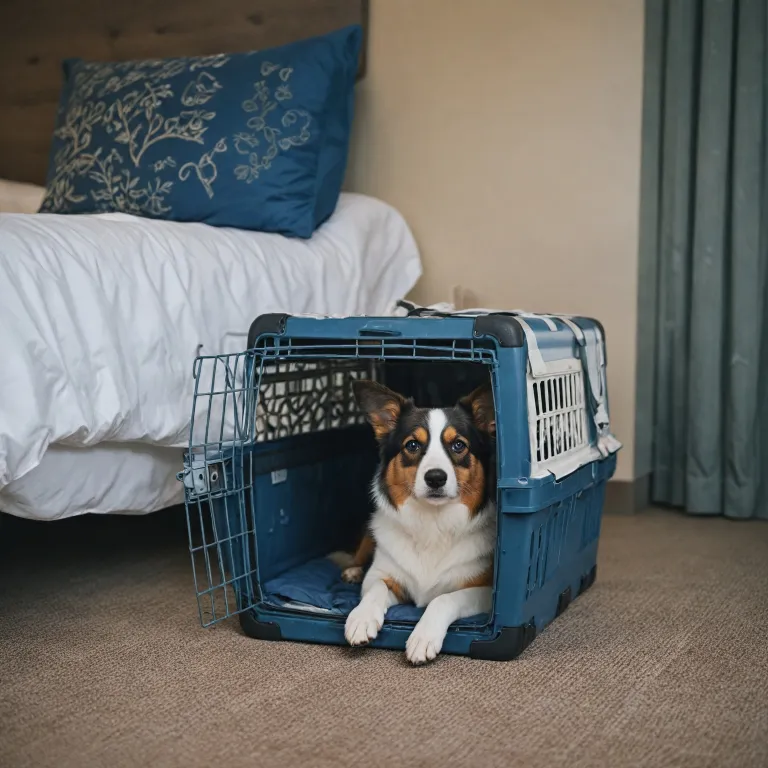
Understanding airline requirements for dog travel crates
When preparing for air travel with your dog, selecting the right dog travel crate for plane journeys is essential. Airlines enforce strict regulations to ensure the safety and comfort of pets, and these rules are largely based on International Air Transport Association (IATA) standards. The crate must be rigid, well-ventilated, and large enough for your dog to stand, turn around, and lie down comfortably. Both plastic and metal crates are commonly accepted, but always verify with your airline if soft sided options are allowed for in-cabin travel. The crate door should have a secure locking mechanism, and food and water dishes must be attached to the door for easy access during the flight.
Airline approved dog travel crates are available in various sizes, so measuring your pet accurately is crucial. The kennel size should correspond to your dog’s length, height, and weight, with options for large dogs and smaller breeds alike. Many airlines, including United, have their own approved pet travel policies, so it’s vital to confirm details before booking. The price of travel crates can vary significantly, with reputable brands like Petmate and Pet Porter offering models that meet airline requirements. For those seeking convenience, many travel crates are available on Amazon, with options for quick delivery and a range of customer reviews to help inform your choice.
Remember, the safety of your pet during air travel depends on compliance with these guidelines. As the IATA states: "The crate must be IATA-compliant, allowing the dog to stand, turn around, and lie down comfortably. It should be made of rigid material, have proper ventilation, and secure locking mechanisms." This ensures your dog’s journey is as stress-free as possible.
Preparing your dog and crate for air travel
Acclimating your dog to the travel crate well in advance of your trip is a key step for a smooth experience. Begin by introducing your pet to the crate several weeks before departure, allowing them to explore and rest inside with the door open. Gradually increase the time your dog spends in the crate, rewarding calm behavior to build positive associations. This process is especially important for large dogs and those who have never traveled in a kennel before.
Health certifications are mandatory for most airline approved pet travel. Schedule a visit to your veterinarian to ensure all vaccinations are current and obtain the necessary paperwork. Veterinarians play a critical role as health certifiers, offering advice on travel readiness and any specific needs your pet may have. For international journeys, additional documentation may be required, so check with both your airline and destination country’s regulations.
When selecting a travel crate, consider the weight of your dog. Most airlines specify a maximum weight in kilograms (kg) or pounds (lbs) for both the dog and the crate combined. For example, a plastic dog crate for large dogs may have a different weight limit than a soft sided carrier for small dogs or cats. Always check the approved dog kennel size and weight restrictions for your chosen airline. For more information on preparing your pet for travel, visit our comprehensive pet travel checklist.
Comparing top dog travel crate brands and models
The market offers a wide range of dog travel crates for plane journeys, each with unique features and price points. Petmate and Pet Porter are two leading brands known for their durable, airline approved kennels. Their products are designed to meet IATA standards, with reinforced plastic construction, secure doors, and ample ventilation. These crates are available in various sizes, accommodating dogs from small breeds to large dogs weighing over 30 kg.
Soft sided dog carriers are popular for in-cabin travel, especially for dogs and cats under the airline’s weight limit. These carriers are lightweight, easy to carry, and often feature mesh panels for ventilation. However, not all airlines accept soft sided crates for checked baggage, so always confirm before purchasing. Amazon store listings provide detailed specifications, customer reviews, and delivery options, making it easier to compare models and prices.
When evaluating travel crates, consider factors such as the quality of the door, the sturdiness of the plastic, and the overall kennel size. Some models include additional features like wheels or collapsible designs for convenience. For a detailed comparison of top-rated dog travel crates, including customer feedback and price analysis, refer to our in-depth guide to pet travel gear.
Ensuring comfort and safety for dogs and cats during air travel
Comfort is paramount when selecting a dog travel crate for plane journeys. The interior should be lined with absorbent bedding to manage accidents and provide a soft surface for your pet. Food and water dishes must be securely attached to the crate door, as required by most airlines. For long-haul flights, consider crates with additional ventilation or space for your dog to stretch.
Large dogs require sturdy kennels with reinforced doors and secure locking mechanisms. For smaller dogs and cats, soft sided carriers may offer greater comfort, provided they are airline approved. The crate should never be too large or too small; a proper fit reduces anxiety and prevents injury during turbulence. Many pet owners opt for travel crates with extra features, such as top-loading doors or collapsible sides, to facilitate easier handling at the airport.
For those traveling with multiple pets, some airlines allow two dogs or cats in the same kennel, provided the combined weight does not exceed the airline’s limit. Always check the specific requirements for dogs, cats, and other pets before booking.
Navigating airline policies and booking procedures for pet travel
Each airline has its own set of policies regarding pet travel, including approved crate types, kennel size, and weight restrictions. United and other major carriers follow IATA guidelines but may impose additional requirements. It is essential to confirm these details before booking your flight, as non-compliance can result in denied boarding for your pet.
When booking, inform the airline that you will be traveling with a pet and provide details about the dog travel crate, including its size and weight. Some airlines require advance reservations for pets, and there may be additional fees based on the crate size and route. Approved pet travel services, such as BARK Air, offer specialized flights for dogs and cats, providing enhanced comfort and safety. "Yes, services like BARK Air offer flights specifically designed for pets and their owners, providing enhanced comfort and safety."
For international travel, additional documentation and quarantine requirements may apply. Always check with both the airline and the destination country’s authorities to ensure compliance. The price of pet travel can vary, so compare options and consider factors such as delivery time for your chosen travel crate and the reputation of the brand, whether it’s Petmate, Pet Porter, or another trusted manufacturer.
Expert tips for stress-free air travel with dogs and cats
To minimize stress for both you and your pet, plan every aspect of the journey in advance. Acclimate your dog or cat to the travel crate by making it a familiar and comfortable space. Use treats, toys, and bedding that carry your scent to reassure your pet during the flight. "Acclimate your dog to the travel crate weeks before departure, ensure all vaccinations are current, and consult with your veterinarian about travel readiness."
On the day of travel, arrive at the airport early to allow ample time for check-in and security procedures. Ensure the crate is labeled with your contact information and your pet’s details. For large dogs, double-check the crate’s locking mechanisms and ventilation. For small dogs and cats, confirm that your soft sided carrier meets the airline’s in-cabin requirements. The price of travel crates can be offset by the peace of mind that comes from knowing your pet is safe and comfortable.
After arrival, provide your pet with water and allow them time to adjust to their new environment. Monitor your dog or cat for signs of stress or discomfort, and consult a veterinarian if necessary. For more expert tips on pet travel, consult our resources on dog carriers, dog crates, and approved pet travel solutions.
Innovations and trends in pet air travel
The pet travel industry has seen significant innovation in recent years, with airlines and manufacturers responding to the growing demand for safe and comfortable journeys. The introduction of pet-centric airline services, such as BARK Air, reflects a shift toward prioritizing the needs of dogs, cats, and their owners. Stricter enforcement of IATA crate requirements has led to improved safety standards and a reduction in incidents during air travel.
Manufacturers like Petmate and Pet Porter continue to develop new models of dog travel crates for plane journeys, incorporating features such as enhanced ventilation, reinforced doors, and lightweight materials. The availability of travel crates on Amazon and other online platforms has made it easier for pet owners to compare prices, read reviews, and arrange fast delivery. As more people choose to travel with their pets, the importance of selecting the right kennel size, crate type, and airline approved design cannot be overstated.
Looking ahead, the trend toward specialized pet travel services and innovative crate designs is expected to continue. Pet owners should stay informed about the latest developments in airline policies, approved dog kennel options, and best practices for air travel with dogs and cats. By prioritizing safety, comfort, and compliance, you can ensure a positive travel experience for your pet, whether you’re flying domestically or internationally.
Key statistics on air travel with pets
- 161,000 animals were transported by air in the most recent reporting period.
- There were 13 incidents involving pets during air travel.
- Pet travel-related deaths totaled 10 in the same timeframe.
Frequently asked questions about dog travel crates for plane journeys
What are the requirements for a dog travel crate on a plane?
The crate must be IATA-compliant, allowing the dog to stand, turn around, and lie down comfortably. It should be made of rigid material, have proper ventilation, and secure locking mechanisms.
How can I prepare my dog for air travel?
Acclimate your dog to the travel crate weeks before departure, ensure all vaccinations are current, and consult with your veterinarian about travel readiness.
Are there airlines that specialize in pet travel?
Yes, services like BARK Air offer flights specifically designed for pets and their owners, providing enhanced comfort and safety.