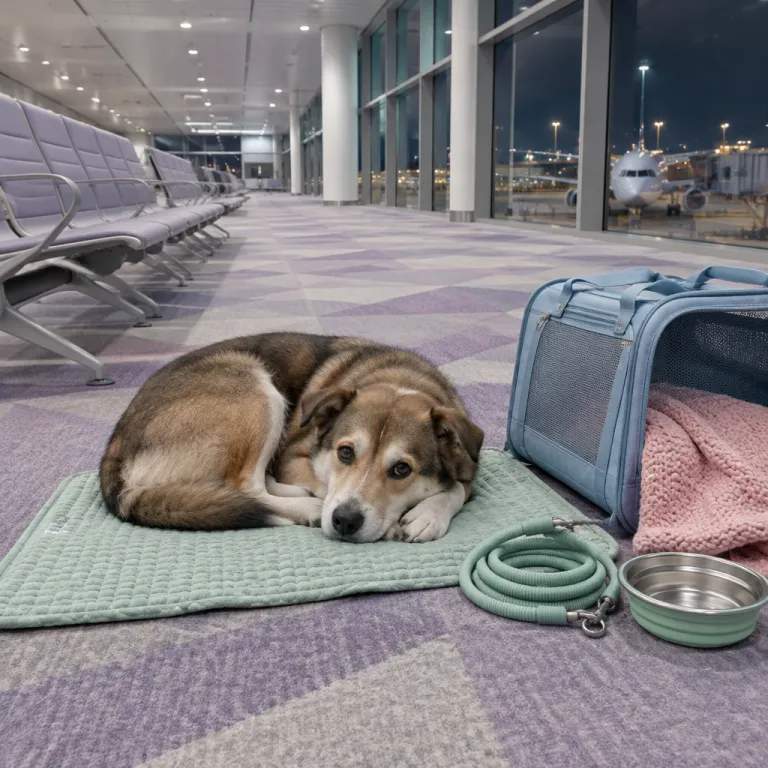
Why flying with a dog on a red eye is different
Flying with dog overnight red-eye services looks efficient on paper, yet your canine co-traveler experiences the same red-eye flight as a full sensory assault. A red-eye places your dog in a dark cabin where light, engine noise and unfamiliar movement collide exactly when their body expects deep sleep, so you must design the entire travel day around protecting their nerves and their eyes. Treat overnight red-eye flights as a project in comfort management, not just a way to save money on daytime flights or an extra hotel night.
For a business leisure traveler, the overnight flight is often the best option because it protects working hours, but a dog forced into a cramped seat window space without preparation can arrive with bloodshot eyes, an upset stomach and a lasting fear of cabins. Your goal is simple yet demanding; you want your dog to achieve something close to natural sleep while you manage your own rest with an eye mask, noise-canceling headphones and a neck pillow, all without medication that your vet has not cleared. Think of every choice you make about timing, the seat and the carrier as a way to prevent eye irritation, reduce anxiety and help both of you walk into the morning meeting looking composed rather than wrecked.
Red-eye flights compress every margin for error, because there is less free time to correct mistakes once boarding starts and fewer services open on the ground if something goes wrong. That is why the most effective tips focus on the twenty four hours before the flight, not just the hours in the air, and why you must understand exactly what different airlines offer for in-cabin pets before you book. When you plan overnight flights with this level of detail, you avoid rushed decisions at the gate, reduce the risk of essentials like headphones or travel documents being left behind, and give your dog a calm script they can follow from last walk to first morning stretch.
For travelers who want a fast reference, build a simple pre-flight checklist: confirm airline pet rules and maximum cabin pet counts, measure your carrier against typical under-seat dimensions (often around 17–19 inches long, 11–12 inches wide and 8–11 inches high on major U.S. airlines), schedule the last full meal four to six hours before departure, plan a forty five to sixty minute walk within six hours of takeoff, and verify emergency vet contacts near both departure and arrival airports. Add a compact packing list on one page; a well ventilated carrier that fits fully under the seat window space, a familiar blanket and toy, tested calming aids your vet has approved, a collapsible bowl, a refillable water bottle, cleaning wipes and spare potty pads, plus printed copies of vaccination records and any required health certificates.
The 24 hour countdown: food, water and pre-flight sleep strategy
The day before flying with dog overnight red-eye, your clock starts at breakfast, not at boarding time. Aim for the last full meal at least four to six hours before the red-eye flight, then a lighter snack two hours before you leave for the airport, which helps prevent nausea during turbulence while still allowing your dog to settle into natural sleep once the cabin lights dim. Water is different; you want to stay hydrated and you want your dog to stay hydrated, so offer small, frequent sips and bring a collapsible bowl plus a refillable water bottle you can top up after security.
Many travelers overcorrect and restrict water too aggressively before red-eye flights, which raises the risk of dehydration and makes bloodshot eyes and dry, irritated eyes more likely in the low-humidity cabin air. A better strategy is to time the last big drink about one hour before your final pre airport walk, then offer small amounts of water at the gate and once you are settled in your seat window position, where you can monitor your dog’s comfort. This rhythm lets you avoid frantic mid flight bathroom needs while still honoring the basic rule of long haul travel with pets; never trade away hydration just to make your own sleep easier.
On your side of the aisle, treat your own bedtime help tools as part of the dog’s comfort plan, because a calm human usually means a calm animal. Pack an eye mask to block the cabin light, noise-canceling headphones to soften announcements and engine roar, and a supportive neck pillow so you can sleep without shifting constantly and jostling the carrier under the seat. When you can rest in relative peace on a red-eye, you are less tempted to fidget, less likely to kick the carrier, and far better equipped to help your dog through any bumps in the night or unexpected changes to the flight pay arrangements if schedules shift.
For travelers tracking the evolution of pet aviation, it is worth reading about how dedicated dog charter services are rethinking comfort at altitude in pieces such as this analysis of premium dog travel trends. While most commercial airlines offer only basic in cabin options, these emerging models highlight how much better overnight flights could feel when every detail, from lighting to bedding, is designed around canine sleep. Use those standards as inspiration when you assemble your own red-eye kit, even if you are seated in row 28 rather than on a dedicated pet aircraft.
The pre-flight burn: walks, decompression and airport logistics
In the final six hours before flying with dog overnight red-eye, movement matters more than almost anything else. A long, unhurried walk of at least forty five to sixty minutes gives your dog time to empty their bladder and bowels, stretch their legs and burn off the nervous energy that would otherwise surface mid flight as scratching, whining or frantic eyes scanning the cabin. Think of this pre flight burn as the canine equivalent of your own airport lounge; it is where the real decompression happens before the red-eye begins.
Time your last major walk to finish about ninety minutes before you plan to leave for the airport, then schedule a shorter relief stop just before you enter the terminal, which helps prevent accidents during check in and security. Once inside, head directly for the designated pet relief area, because many airports hide these behind a single unmarked door and you do not want to waste free time hunting for signs while your dog’s eyes plead for grass. If you are connecting to ground transport after landing, research pet friendly options in advance, using guides such as this overview of pet friendly airport bus connections to understand how different services handle carriers, leashes and early morning arrivals.
Security is often the most stressful segment of any red-eye flight for dogs, because you must remove them from the carrier and carry them through the metal detector while the bag is X rayed. To prevent last minute chaos, practice this choreography at home; lift the dog, hold them close to your body, and walk slowly through a doorway while someone else slides the empty carrier ahead, which mimics the real sequence. When you reach the gate, choose a quiet corner away from the boarding line, use canceling headphones or full noise-canceling headsets to soften the din, and let your dog rest with the carrier open so they associate it with calm rather than confinement before the red-eye flights boarding call.
Carrier comfort and cabin strategy: seats, light and sound
The carrier is your dog’s hotel room for the duration of flying with dog overnight red-eye, so treat it with the same attention you give to your own seat selection. Weeks before the red-eye flight, leave the carrier open at home with a familiar blanket and a worn T shirt that smells like you, then feed occasional treats inside so your dog chooses to enter freely. By the time you reach the airport, the bag should feel like a safe den, not a punishment, which is the single best option for encouraging natural sleep once the cabin goes dark.
Seat choice shapes the entire red-eye experience, for both humans and dogs, and the classic window seat remains the most reliable position for in cabin pets. A seat window location lets you control the shade, block some aisle light and movement, and create a more stable microclimate around the carrier, which helps prevent overstimulation from passing trolleys and feet. When you book, check what different airlines offer in terms of under seat space and pet policies, and be prepared that some carriers require an extra flight pay fee for in cabin animals on overnight flights, which you should factor into your total cost rather than chasing marginal ways to save money.
Once on board, think in layers of comfort; light, sound, temperature and touch. Use your own eye mask to block the glow from screens and overhead lights, then drape a breathable cloth over part of the carrier to soften the light for your dog without cutting off airflow, which can help prevent eye strain and restless eyes. For sound, combine the aircraft’s own white noise with your noise-canceling headphones, and if your dog relaxes to low music or a familiar voice, play it quietly through one earbud while keeping the other ear free so you can respond to crew instructions and monitor any changes in the cabin.
On longer red-eye flights, build in a simple routine; once the seat belt sign goes off, check your dog’s position, offer a brief reassuring touch through the mesh, and confirm that the carrier remains secure under the seat window frame. Avoid opening the carrier fully or letting paws protrude into the aisle, because this can create safety issues and may prompt crew to intervene, which breaks the calm you have worked to build. The more predictable your behavior, the easier it is for your dog to stay in a restful state until the first light of morning filters through the shade.
Sedation-free calm, vet conversations and the morning after
Many travelers assume that flying with dog overnight red-eye requires medication, yet most veterinary specialists urge caution with sedatives at altitude. Cabin pressure, reduced oxygen and the inability to observe subtle changes in breathing all make heavy drugs a risk on any red-eye flight, especially for brachycephalic breeds with already compromised airways such as pugs, French bulldogs and Boston terriers. Instead of self prescribing, schedule a pre travel consultation and ask your vet about safe, sedation free strategies, including behavioral conditioning, gentle supplements where appropriate and whether any existing medications need timing adjustments around red-eye flights.
Your vet can also help you design a bedtime help routine that starts days before departure, pairing the carrier with calm music, dim light and predictable cues so your dog associates the space with sleep rather than confinement. Some travelers use pheromone sprays or vet approved calming chews containing ingredients such as L-theanine or alpha-casozepine, but these should always be tested at home first, never for the first time on a red-eye, to prevent unexpected reactions mid flight. Whatever tools you choose, remember that your own calm presence, steady touch and unhurried movements are often more powerful than any product, especially when combined with the physical fatigue from that pre flight walk and the mental comfort of familiar scents inside the carrier.
Arrival is where many red-eye strategies fail, because the human is focused on meetings or connections while the dog is processing a full sensory reset. Build at least one free morning or half day into your itinerary after overnight flights, even on business trips, so you can prioritize a long walk, hydration and quiet time in the room before any obligations. This is where you lean on simple tools again; refill your water bottle, offer small amounts of food, open the curtains gradually to manage light exposure for tired eyes, and resist the urge to rush straight into dense urban noise before your dog has recalibrated.
For a broader view on how responsible pet travel fits into global tourism, including why pacing and recovery days matter for animals as much as for people, explore our guide to responsible dog travel expectations. When you frame every red-eye as part of a longer wellbeing arc rather than a standalone flight, decisions about timing, rest and workload become easier to defend. You are not just trying to avoid bloodshot eyes in the arrival photo; you are building a sustainable pattern of travel your dog can tolerate for years without eroding their trust in you or in the cabin environment.
Cost, comfort and smart booking choices for red eye flights with dogs
Booking flying with dog overnight red-eye segments is a balancing act between budget, schedule and comfort, and the cheapest ticket rarely tells the whole story. Some airlines offer more generous under seat dimensions, clearer pet policies and better access to late night relief areas, which can justify a higher base fare or a modest flight pay supplement for in cabin animals. When you compare options, look beyond headline prices and ask how each carrier handles red-eye flights with pets, including maximum cabin pet counts, seasonal restrictions during peak holiday travel and whether they allow you to pre select a window seat near the front for faster deplaning.
To genuinely save money without sacrificing welfare, focus on value rather than absolute cost; a slightly higher fare on an airline that allows earlier boarding for passengers with pets can give you crucial extra time to settle the carrier and organize your own eye mask, canceling headphones and neck pillow. That calm setup window reduces the risk of mistakes that could lead to stress, spills or even the need to rebook if your dog panics at the gate. Remember that any change fees, last minute hotel nights or emergency vet visits will erase the small savings from choosing a marginally cheaper red-eye, so build a realistic budget that includes pet fees, airport transfers and a buffer for contingencies.
On board, many of the best comfort upgrades are effectively free once you know how to use them. Choosing a seat window position, dimming your personal light, and coordinating your own sleep with the cabin schedule all help your dog maintain a more stable rhythm, which in turn helps prevent eye strain and restless eyes. Combine those no cost tactics with thoughtful packing; a soft blanket, a familiar toy, a compact water bottle, and a small kit of cleaning supplies to handle any accidents discreetly, and you transform a standard red-eye into a manageable, even quietly pleasant, overnight journey for both of you.
Over time, as you refine your routine across multiple red-eye flights, you will notice patterns in how your dog responds to different departure times, cabin temperatures and seat locations. Use those observations as data points to guide future bookings, favoring the specific red-eye windows, aircraft types and routes where your dog has historically slept best. That is the essence of expert pet travel; not chasing hacks, but building a personalized playbook that respects your dog’s limits while still supporting the efficient, high standard itineraries that define modern business leisure travel.
FAQ
Is a red eye flight with a dog ever a good idea?
A red-eye flight with a dog can work when you plan the full twenty four hour window around the animal’s needs, not just your schedule. If your dog is healthy, accustomed to a carrier and you can build in a recovery morning on arrival, overnight flights with dogs may be acceptable. For highly anxious, elderly or medically fragile dogs, daytime flights are usually safer, so discuss your specific case with your vet before booking.
How should I time food and water before an overnight flight?
Offer the last full meal four to six hours before departure, then a light snack two hours before leaving for the airport. Water should be given in small, frequent amounts, with the last larger drink about an hour before the final pre airport walk. This approach reduces the risk of mid flight accidents while still helping both you and your dog stay hydrated in the dry cabin air.
Do I need a window seat when flying overnight with a dog?
A window seat is strongly recommended for in cabin dogs on overnight flights. It lets you control the shade, reduces foot traffic around the carrier and limits exposure to aisle light and trolleys. That extra control over light and movement makes it easier for your dog to relax and sleep.
Should I sedate my dog for a red eye flight?
Sedation for air travel carries real risks, especially on overnight flights where monitoring is difficult. The American Veterinary Medical Association and many airlines note that sedatives can affect breathing, blood pressure and balance under reduced cabin pressure, and they are particularly risky for short-nosed breeds. Always consult your vet for tailored advice and focus first on training, familiarization and non drug calming strategies.
What should I pack to help my dog sleep on a red eye?
Pack a well ventilated carrier, a familiar blanket, a worn T shirt that smells like you and a favorite soft toy. For yourself, bring an eye mask, noise-canceling headphones and a neck pillow so you can rest without disturbing the carrier. Add a collapsible bowl, a refillable water bottle and a small cleaning kit so you can manage hydration and any accidents discreetly.