Designing the trip around your senior dog’s stamina
Traveling with a senior dog starts long before you book flights or choose a car route. You design the trip around stamina, not around how much ground you and your pet can theoretically cover in a day. That shift in mindset is what separates thoughtful pet care from a rushed box ticking exercise that leaves senior pets exhausted.
Begin by mapping driving segments of no more than two to three hours at a time, especially when you plan to travel with small dogs or a larger senior pet that stiffens in the car. Older dogs benefit from frequent stretch breaks, predictable chances to eat, and calm moments to read the new environment through scent rather than being hurried back into the carrier or harness. When you are traveling with a senior dog, think of each stop as a mini destination, with familiar surroundings recreated through their own bed, a worn blanket, and the same bowl they use at home.
Overnight stays deserve the same care. Request ground floor or elevator accessible rooms so your senior dog avoids long staircases, and ask directly about dog friendly walking routes that are flat and well lit. Many people forget to check the property’s weight limit for pets with mobility issues, which can be critical if staff need to help dog and owner during an emergency evacuation. When you plan ahead time for check in, you can settle your pet with a slow walk, a chance to eat in peace, and a quiet inspection of the room before you unpack.
Build in full rest days on longer trips with senior companions, especially when you are crossing borders or changing climates. A day that looks lazy on your itinerary can be the difference between a relaxed senior pet and a dog that starts to limp or refuse food. Couples who travel with older dogs often find that these slower days, spent in familiar surroundings like a shaded garden or a quiet waterfront path, become the most romantic parts of the trip with their pet.
Pre trip vet planning, medical care and choosing the right route
The most important reservation when traveling with a senior dog is not the hotel but the veterinary appointment you schedule several weeks before departure. Ask your vet for a clear fitness to travel assessment, including how your dog’s heart, joints and digestion might respond to a long car journey or a flight with layovers. This is also the moment to raise questions, help your vet understand your route, and align medication timing with new time zones.
Discuss motion sickness, anxiety and any chronic medical care your senior pet already receives, from arthritis injections to heart tablets. Your vet can help dog owners adjust dosing schedules so that pills are given at consistent intervals, even when you cross several time zones in a single trip with your pet. If you plan to drive through mountain passes or stay at higher elevations, ask directly about altitude sensitivity and read a specialist guide on whether dogs can suffer from altitude sickness during mountain travel, which explains how a senior dog may react differently from a young athlete.
Route choice matters as much as destination. For traveling car journeys, prioritize highways with frequent rest areas, pet friendly motels and access to 24 hour clinics that can provide emergency medical care if your dog suddenly deteriorates. When you cross borders by road, such as between Canada and the United States, follow a detailed veterinary paperwork calendar that holds up at customs so you are not turned away with a tired senior pet in the back seat. A well planned route gives you time to stop when your dog needs to eat, stretch, or simply stay still in the shade.
Air travel with senior dogs demands even more scrutiny. Many airlines impose a strict weight limit for pets with cabin access, which can exclude heavier senior dogs from flying at your feet. If your dog must travel in the hold, ask your vet whether the stress, temperature shifts and noise are acceptable for a senior pet with heart or breathing issues, and be prepared to hear that the safest choice is to skip the flight entirely.
Comfort, anxiety and the art of the slow hotel stay
Once you arrive, the way you stage the room can transform traveling with a senior dog from stressful to serene. Think of the space as a temporary extension of your home, where familiar surroundings and predictable routines help dog and owner relax. Older pets with fading vision or hearing rely heavily on scent and touch, so recreate their usual sleep corner with the same bed, blanket and even the same side of the room relative to your own bed.
Lay down non slip mats or yoga towels on glossy floors so your senior pet does not scramble and strain joints every time they stand. Many couples forget that polished concrete or marble can be treacherous for small dogs and large seniors alike, especially after a long trip with cramped muscles. If the hotel provides a dog friendly bed, layer your own cover on top so the smell feels familiar and the texture matches what your dog expects at home.
Bathroom breaks become a cadence, not an afterthought. Senior dogs often need to go out more frequently, especially when they are drinking more water in a warm climate or adjusting to new food, so plan short walks every few hours rather than two long outings per day. For anxious pets with a history of accidents, choose rooms close to exits and keep a small carrier or harness by the door so you can move quickly when your dog signals the need to go.
Anxiety in new spaces is common for older dogs, particularly when they cannot immediately read the sounds and smells of a corridor or elevator. Keep the first evening quiet, with low lights, gentle music and a calm presence, and use proven techniques to keep pets calm and comfortable during travel, such as familiar chew toys and slow breathing exercises you share with your dog. If your senior pet has prescribed calming medication, follow your vet’s timing advice precisely and never experiment with new supplements for the first time on the road.
Mobility support, ramps and joint aware activities
Mobility is where traveling with a senior dog becomes both more complex and more rewarding. When you adapt the environment to your dog’s body rather than expecting them to keep up with you, you see their confidence return in small but powerful ways. A simple ramp, a folded towel under stiff hips, or a shorter walk at the right time of day can transform the entire trip.
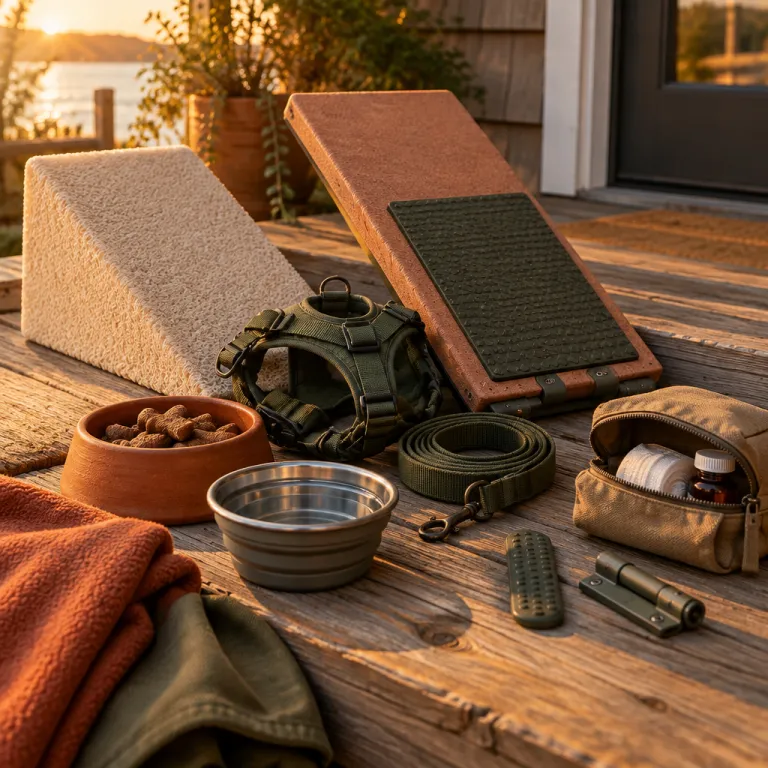
Pack a lightweight, foldable ramp for getting in and out of the car, especially for medium and large senior dogs that should not be jumping down onto hard surfaces. Many people underestimate how often a dog will need to navigate height changes during a trip with multiple hotel stays, café steps and ferry gangways. A ramp or sturdy set of travel steps protects joints, reduces the risk of slips, and signals to your senior pet that you are paying attention to their changing needs.
Inside the room, create clear pathways with no clutter so your dog can move between bed, water bowl and door without tight turns or obstacles. For small dogs with fragile backs or knees, lift them on and off furniture rather than letting them jump, and consider a soft harness that allows you to support their weight evenly when climbing a short flight of stairs. Joint aware activities might mean trading a steep hike for a flat promenade, or choosing a shaded park bench where your dog can stay near you while you read and watch people pass by.
Daily exercise still matters for a senior pet, but the goal is gentle consistency rather than calorie burning. Schedule two or three short walks at cooler times, such as early morning and late evening, and let your dog set the pace instead of dragging them along a pre planned route. When you travel with more than one dog, separate walks can help dog friendly dynamics, allowing the younger animal to run while the senior dog enjoys a slower, sniff heavy stroll that respects their limits.
When not to go, and building beautiful trips around real limits
The hardest part of traveling with a senior dog is accepting that some trips are no longer appropriate. Love sometimes means staying home or choosing a destination that looks quieter on your social feed but feels infinitely kinder to your pet. A senior pet with advanced heart disease, severe arthritis or uncontrolled incontinence may be better served by a trusted sitter than by a long haul adventure.
Choosing not to travel with your dog does not mean abandoning them to a kennel. Many couples now work with professional in home sitters who maintain familiar surroundings, keep feeding and medication schedules precise, and send regular updates that help people relax while they are away. When you find a sitter who understands senior pet care, you can plan your own trip with fewer questions, help your vet brief them on medical routines, and share with them the small rituals that help dog and owner feel connected.
For trips that remain within your dog’s comfort zone, design the experience around slow pleasures rather than packed itineraries. Look for dog friendly coastal towns with flat waterfront paths, quiet cafés that welcome pets with water bowls, and off season stays when crowds are thin and noise levels low. A weekend spent in a ground floor suite with a garden, where your senior dog can eat unhurried meals and nap in the sun while you read, often delivers more joy than a whirlwind city break.
As your dog ages, every trip with them becomes more precious, and that awareness should guide your planning. Measure success not by how many sights you see but by how relaxed your senior dog looks when they settle at your feet each evening. When you align your travel tips, your routes and your expectations with senior realities, you create journeys that honor the years you have shared and the care your pet has always given you in return.
FAQ
How long can a senior dog safely stay in the car during travel ?
Most healthy senior dogs do best with car segments of two to three hours at most before a break. Stop for at least 15 minutes to let your pet walk, drink water and relieve themselves, and shorten segments further in hot weather or if your senior pet has joint or heart issues. Ask your vet for personalized guidance if your dog has specific medical conditions.
What should I pack when traveling with a senior dog ?
Pack your dog’s regular food, medications, and a copy of their medical records, along with their usual bed or blanket to recreate familiar surroundings. Include a non slip mat, a lightweight ramp or steps, a well ventilated carrier if needed, and cleaning supplies for accidents. Bring enough medication and food for extra days in case your trip is delayed.
How do I know if my senior dog is too old to travel ?
Warning signs include severe mobility problems, uncontrolled pain, frequent accidents, serious heart or breathing disease, or extreme anxiety outside familiar surroundings. Your vet can perform a fitness to travel assessment and explain the specific risks for your senior pet, helping you decide whether a trip with them is kind or potentially harmful. When in doubt, prioritize comfort and consider an in home sitter instead.
Are hotels comfortable for senior dogs, or is home boarding better ?
Many hotels can be very comfortable for senior dogs if you choose ground floor or elevator accessible rooms, bring familiar bedding, and keep routines consistent. Home boarding or in home sitters may suit senior pets that become stressed in new environments or have complex medical care needs. The best option is the one that keeps your dog calm, pain free and close to their usual routine.
How often should a senior dog eat and go out during a trip ?
Most senior dogs do well with their usual two or three meals per day, served at roughly the same times as at home to protect digestion. Offer water frequently, especially in warm climates, and plan bathroom breaks every three to four hours, or more often for dogs on diuretics or with bladder issues. Watch your pet closely and adjust the schedule if they seem restless, start pacing, or drink more than usual.