Reading the water: how to choose safe local swimming places for your dog
Searching for calm, clean places for dogs to swim near me starts with learning to read the water like a guide. Before your dog even thinks about swimming, scan the whole area for clear access, gentle entry points, and any posted rules about pets. Then look for quieter spots away from heavy boat traffic, where dogs swim in calmer currents and you can supervise without distraction.
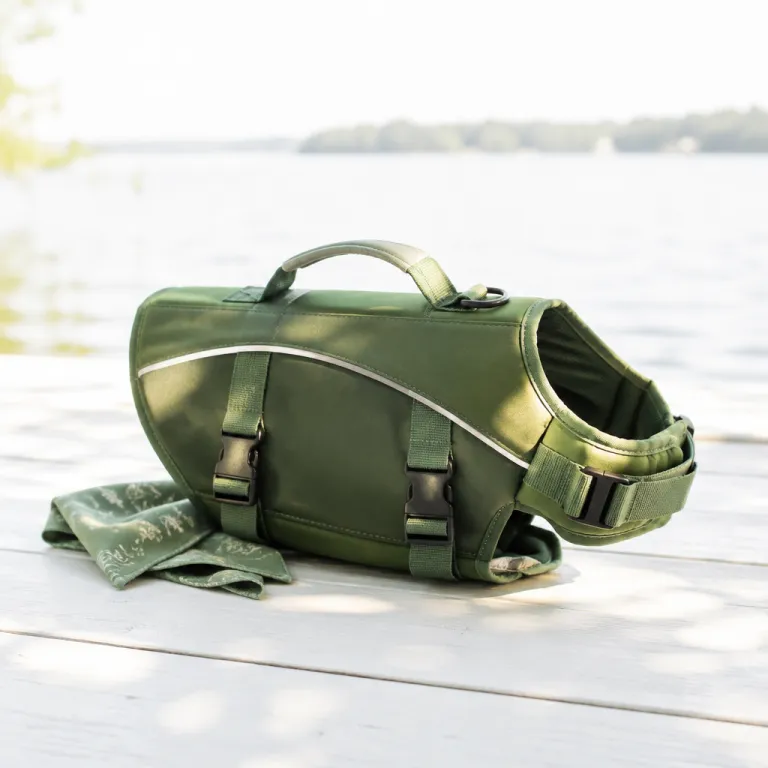
At a river or creek, avoid fast moving water, deep drop offs, and slippery rocks that can trap a dog leash or your own feet. Lakes and reservoirs may look peaceful, yet wind can quickly create chop that overwhelms small dogs or older dogs with arthritis. Choose quiet waters close to shore where your dog can easily stand, and always keep a life jacket ready for nervous swimmers or brachycephalic breeds.
Coastal travelers should treat every dog beach like a new destination, checking tide charts, rip current warnings, and any seasonal leash rules. Many state park rangers update notice boards daily, flagging unsafe beach area sections or recent sightings of jellyfish and sharp debris. When in doubt, walk the length of the dog friendly zone first, watching how other dogs behave in the surf and how quickly the water deepens.
From city park to coastal cove: mapping the best local water spots
Urban travelers often start with the nearest dog park, yet not every park with a pond is suitable for a dog swim. Look for designated leash area signs, separate dog beach coves, and clear information about water quality testing. If the park offers a fenced leashed park section near the water, you gain extra control while your dog explores new scents and sounds.
When planning a weekend by the sea, search for a dog friendly coastal town where dogs leashed are welcome on the sand during most hours of the day. Some destinations, such as relaxed Gulf Coast communities, publish detailed pet policies that specify which beach area allows off leash walking and which requires a dog leash at all times. For a refined yet laid back escape, many travelers choose a pet friendly coastal itinerary similar to a relaxed coastal escape in Mexico Beach, Florida, where calm surf and wide sands create ideal conditions for dogs that swim confidently but still need close supervision.
Inland, lakeside state park networks often hide the most tranquil places for dogs to swim near me, especially in regions with multiple reservoirs. These parks dog facilities usually include marked parking zones, shaded picnic spots, and signed water access trails that keep you away from busy boat ramps. Always check the state website before you go, because some lakes temporarily close specific spots to protect wildlife or to investigate reports of toxic algae blooms.
Trailheads, creeks, and lakes: planning hiking days around safe water access
For many pet travelers, the perfect day combines hiking, swimming, and quiet rest under trees. When you plan a trail, study the map for every creek crossing, lake shore, or riverside area where your dog might try to swim. Then match the route to your dog’s fitness, because steep descents to water can be harder on joints than the distance itself.
On popular long distance routes, some state park managers now publish detailed leash rules that distinguish between a general walking trail and a designated leash area near fragile habitats. Respecting these rules protects wildlife and keeps dogs leashed where cliffs, fast water, or cyclists create extra risk. If your dog has excellent recall and responds to voice control, you may still be required to clip on the dog leash in signed zones, so always carry a spare in your pack.
Multi day glamping trips with a dog add another layer of planning, because you must balance trail mileage, rest, and safe swimming breaks. Many tented camps and yurt retreats where the trail begins at the tent flap sit near a creek or small lake, yet not all of them allow dogs swim access directly from camp. Ask in advance whether there is a nearby leashed park or dog beach style cove, and whether the camp provides a rinsing pool or hose to wash off sand and mud before bedtime.
Leashes, etiquette, and shared spaces: being a considerate guest at every dog friendly shore
Elegant pet travel means treating every park, lake, and beach as a shared living room rather than a private backyard. Start each visit by reading the posted rules, which often specify where dogs leashed are mandatory, where off leash play is allowed, and which fragile dunes or wetlands are strictly off limits. These leash rules protect nesting birds, children who fear dogs, and fellow travelers who simply want quiet waters for their own swim.
In busy dog park settings near water, keep your dog under both physical control and reliable voice control, especially around narrow entry points. Rotate time at the main pool or pond so that shy dogs can approach without being mobbed, and move to less crowded spots if your dog guards toys or becomes overstimulated. When walking back to the parking area, towel off your dog to reduce sand in shared spaces and to check paws for cuts from shells or sharp stones.
Some destinations now face overtourism on pet friendly trails and shorelines, where too many visitors strain wildlife and local patience. Thoughtful travelers study how pet friendly trail towns manage their wild spaces, learning from case studies about when communities start loving their wildlife to death and how better planning can protect both habitats and dogs. By choosing less crowded times of day, respecting every leash area boundary, and keeping dogs leash ready near wildlife, you help ensure that your favorite places for dogs to swim near me remain open and welcoming.
Health, safety, and seasonal risks when your dog swims
Water play looks carefree, yet a responsible traveler treats every dog swim as a managed risk. Before your trip, speak with your veterinarian about vaccinations, parasite prevention, and whether your dog needs a fitted life jacket for deeper water. Short nosed breeds, senior dogs, and very lean athletic dogs often benefit from buoyancy support even in calm lakes.
One of the most serious modern concerns is toxic algae, especially cyanobacteria blooms that appear in warm, nutrient rich lakes and slow moving rivers. Many state park authorities now post online alerts and shoreline signs when they suspect toxic algae, because even a single mouthful of contaminated water can be fatal for some dogs. If you notice scum, paint like streaks, or dead fish in a beach area or creek inlet, keep your dog leashed and choose another swimming spot immediately.
Seasonal rules also matter, particularly around public holidays such as late summer long weekends when crowds surge. Some coastal towns restrict access to the main dog beach during peak hours, redirecting visitors to secondary spots with better parking and more space for walking. Heat adds another layer of risk, so schedule swimming earlier in the day, carry fresh drinking water, and watch for signs of exhaustion even in dogs that swim enthusiastically.
Gear, training, and planning tips for refined water adventures with your dog
Thoughtful preparation transforms a simple outing into a polished, low stress experience for both you and your dog. Start with a well fitted dog leash, a backup slip lead, and a harness that gives you control without putting pressure on the neck when your dog pulls toward the water. Add a compact kit with a microfiber towel, collapsible bowl, spare collar, and a floating toy that encourages your dog to swim in safe directions.
Training before travel pays dividends at every park, lake, and dog beach you visit. Practice recall, emergency stops, and calm walking on a loose leash near fountains or shallow streams in your home city, gradually increasing distractions. Dogs that respond instantly to voice control are easier to manage in mixed use areas where paddleboarders, children, and other dogs share the same narrow water access points.
Finally, plan your itinerary with both human and canine comfort in mind, especially on multi stop road trips. Alternate high energy hiking days with gentler walking routes that end at quiet waters, giving your dog time to rest muscles between intense swimming sessions. By choosing well managed leashed park facilities, respecting every posted rule, and seeking out less crowded places for dogs to swim near me, you create a standard of pet travel that feels both elegant and deeply responsible.
Key statistics on dogs, water safety, and outdoor travel
- According to the American Pet Products Association, more than 70 percent of U.S. households share their home with at least one pet dog, which means demand for dog friendly parks, lakes, and beaches continues to rise across every state.
- Data from the American Veterinary Medical Association indicate that nearly one in three dogs over the age of seven has some degree of arthritis, so gentle water exercise in calm lakes or pools can be an important low impact activity when planned with veterinary guidance.
- The U.S. Centers for Disease Control and Prevention report that harmful algal blooms are being documented in an increasing number of freshwater lakes and reservoirs, which reinforces the need for travelers to check local toxic algae advisories before allowing any dog to swim.
- Surveys from outdoor recreation agencies show that off leash conflicts and ignored leash rules are among the top complaints in multi use parks, highlighting how consistent use of a dog leash and reliable voice control help keep dog friendly access open.
- Pet insurance providers note seasonal spikes in claims related to water injuries and near drownings around major summer holidays such as Labor Day, suggesting that choosing quieter times of day and less crowded spots can significantly reduce risk for traveling dogs.
FAQ about finding safe places for your dog to swim
How do I know if a local lake is safe for my dog to swim ?
Check the managing authority’s website for recent water quality tests, toxic algae alerts, and any temporary closures. When you arrive, read all posted rules, avoid areas with visible scum or strong odors, and keep your dog leashed until you have inspected the shoreline. If you are unsure, choose a different lake or a managed dog park with a monitored pool.
What gear should I bring when visiting a dog friendly beach or park ?
Pack a sturdy dog leash, a backup lead, waste bags, and a fitted canine life jacket for deeper water or strong swimmers. Add fresh drinking water, a collapsible bowl, a towel, and a floating toy to guide your dog’s swimming direction. In hot weather, include shade options and plan shorter sessions with rest breaks in a quiet leash area.
Are off leash swimming areas always better for dogs ?
Off leash coves and dog beach zones can be wonderful for confident, social dogs with excellent recall and calm manners. However, crowded spots may overwhelm shy dogs or create conflicts, so many travelers prefer leashed park sections with fewer animals and more space. Always follow local leash rules and choose the environment that best matches your dog’s temperament.
How can I prevent my dog from drinking unsafe water while swimming ?
Offer fresh water before, during, and after play so your dog is less tempted to gulp from lakes, creeks, or pools. Use toys and structured games to keep your dog’s mouth mostly closed while swimming, and interrupt any repeated drinking from natural sources. If you suspect contamination or toxic algae, end the session immediately and rinse your dog with clean water.
What is the best way to introduce a nervous dog to swimming ?
Choose a shallow, calm area with quiet waters and no strong currents, such as a gently sloping lake shore or a small training pool. Keep your dog leashed at first, use treats and praise, and let them wade at their own pace without forcing full immersion. A well fitted life jacket adds buoyancy and confidence, turning early experiences into positive memories for future trips.