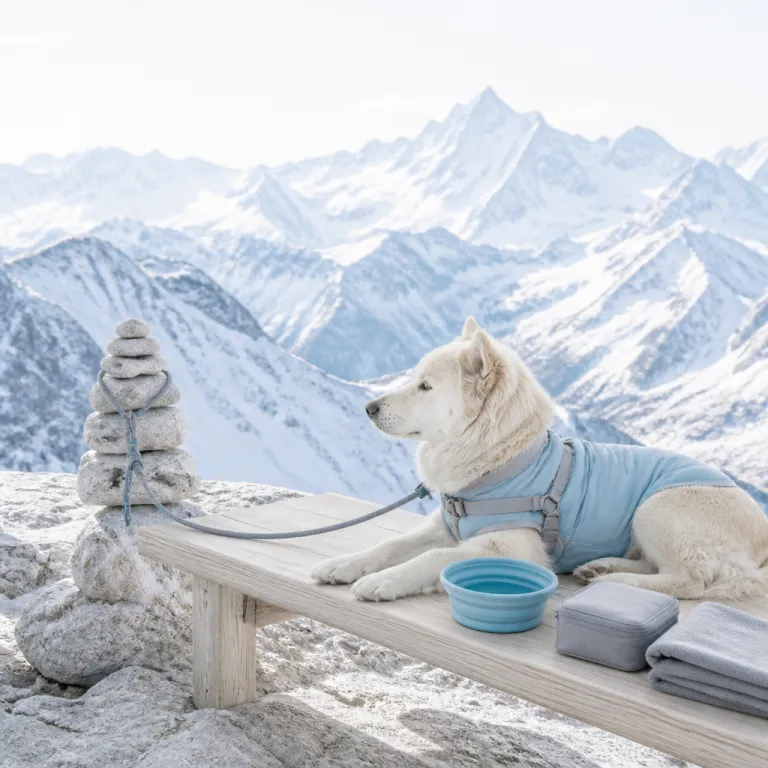
Understanding whether dogs get altitude sickness during mountain trips
Many pet owners planning altitude travel ask a vital question. They want to know clearly and calmly: do dogs get altitude sickness during high mountain journeys? The answer matters for every dog, because pet health and safety must guide every itinerary.
Veterinary specialists confirm that dogs can develop altitude sickness when oxygen levels drop. At high altitude, the dog body works harder to deliver oxygen to vital organs, and this strain can trigger sickness dogs experience as headaches, nausea, and profound fatigue. The risk increases at higher elevations above roughly 2 400 metres, where reduced oxygen affects both pets and humans in similar ways. The 2 400 metre (8 000 foot) threshold is widely cited in human high altitude medicine guidelines from organisations such as the Wilderness Medical Society, and veterinary clinicians often apply similar cautionary limits when advising dog owners, even though controlled canine studies remain limited and most evidence comes from case reports and expert consensus rather than large trials.
Context matters as much as height, because rapid ascents to high altitudes are far more dangerous than gradual climbs. A dog that travels by car from a coastal county to a ski resort at higher altitudes in a single afternoon faces a sharper shock than one that hikes slowly over several days. For pet owners, understanding how altitudes, oxygen, and dog health interact is the first step toward responsible care.
How altitude affects the dog body
At any altitude, the percentage of oxygen in the air stays roughly constant. What changes at high elevations is air pressure, which lowers effective oxygen levels and makes each breath less efficient for dogs and humans. When a dog reaches high altitudes too quickly, its body cannot adapt fast enough, and altitude sickness may follow.
The dog body responds to higher elevations by increasing breathing rate and heart rate. This natural reaction helps move more oxygen through the bloodstream, but it also raises the risk of respiratory distress in dogs with existing heart or lung disease. In severe cases, fluid can accumulate in the lungs or brain, turning a mild sickness into a life threatening emergency that demands immediate veterinary care.
Healthy dogs often tolerate moderate altitude travel well when ascents remain gradual. However, pets with brachycephalic anatomy, such as pugs or bulldogs, struggle more with oxygen intake at high altitude and may show symptoms altitude related problems earlier. For these pets, owners should plan conservative activity levels, shorter stays at higher altitudes, and quick access to an animal hospital if signs worsen.
Recognising early symptoms of altitude sickness in dogs
Recognising early symptoms of altitude sickness in dogs can change outcomes. Subtle signs often appear within hours of reaching a new high altitude, especially after a rapid drive or flight. Pet owners who know what to watch for can act quickly and protect their dog health before complications escalate.
Common symptoms include excessive panting, unusual lethargy, vomiting, and a refusal to eat. Some dogs show signs such as unsteady walking, coughing, or a rapid pulse that feels stronger than usual when you rest a hand on the chest. In more advanced cases, blue or pale gums signal dangerously low oxygen levels and demand that you seek veterinary help without delay. As a practical rule of thumb used by many emergency veterinarians, a resting respiratory rate above about 40 breaths per minute at altitude, or gums that turn greyish or blue, should be treated as an urgent warning.
Behavioural changes also matter, because sickness in pets rarely looks identical from one animal to another. A normally energetic dog that lies down during every short activity break, or a calm pet that suddenly becomes restless and anxious, may be signalling symptoms altitude stress. When several signs appear together at higher elevations, assume altitude sickness until a veterinary professional rules out other causes.
When symptoms mean an emergency
Some signs of altitude sickness in dogs indicate immediate danger. Laboured breathing, persistent coughing, or frothy saliva can point toward respiratory distress that requires urgent veterinary care at the nearest animal hospital. If your dog collapses, seems disoriented, or cannot stand, treat the situation as critical and descend to a lower altitude while calling a clinic.
Vomiting that continues for several hours, especially when combined with diarrhoea, quickly leads to dehydration at high altitudes. Dehydrated pets struggle even more with oxygen transport, which worsens sickness dogs already feel from the thin air. In such cases, pet owners should seek veterinary assessment promptly, because intravenous fluids and oxygen therapy may be necessary.
During any mountain trip, keep a written list of emergency numbers for veterinary services in each county you cross. Many regions with popular high elevations maintain at least one 24 hour animal hospital that can provide oxygen therapy and advanced monitoring. Having these contacts ready saves precious minutes when altitude sickness escalates from mild symptoms to life threatening signs. A simple emergency checklist for the first hour includes: move the dog to a lower altitude if possible, keep it warm and calm, limit exertion, offer small sips of water, note breathing rate and gum colour, and call a veterinary clinic to report these observations.
“Can all dogs get altitude sickness?” “Yes, but susceptibility varies by individual and breed.” “What are common symptoms in dogs?” “Panting, lethargy, vomiting, and blue gums.” “How can I prevent altitude sickness in my dog?” “Ascend slowly, monitor for symptoms, and keep your dog hydrated.”
Preparing your pet for altitude travel and mountain stays
Thoughtful preparation before altitude travel protects both pets and humans. When planning a journey from lowland county regions to higher elevations, start by scheduling a veterinary check up for your dog. This visit allows your veterinarian to assess pet health, review medications, and flag any conditions that could worsen at high altitude.
Dogs with heart disease, chronic bronchitis, or previous respiratory distress need especially careful evaluation. Your veterinary professional may recommend baseline blood tests, chest imaging, or a trial of gentle activity to gauge how the dog body handles exertion. In some cases, they may advise against travel to very high altitudes or suggest shorter stays at moderate altitude instead of extended time in extreme mountain environments.
Training and conditioning also matter, because a fit dog copes better with reduced oxygen levels. In the weeks before your trip, gradually increase daily activity with longer walks, gentle hill climbs, and controlled play sessions. This approach strengthens cardiovascular health and helps pets adapt more smoothly when they finally reach higher altitudes.
Travel logistics that support pet health
Transport choices influence how severely altitude affects your dog. Driving allows pet owners to control ascent speed, schedule frequent rest stops, and monitor symptoms altitude changes in real time. When flying into a high altitude airport, try to arrive during daylight, so you can observe your dog closely during the first crucial hours.
Pack a dedicated pet health kit that includes any prescribed medications, a copy of veterinary records, and a simple pulse oximeter designed for animals if your veterinarian recommends one. While consumer devices vary in accuracy, they can help you track oxygen levels trends in dogs altitude environments, especially for older pets or those with known lung issues. Many clinicians consider sustained oxygen saturation readings below the low 90s on a well positioned device as a reason to call a veterinary clinic for advice. Include a lightweight blanket, collapsible water bowl, and high value treats to keep your dog calm and comfortable during long transfers, and review specialised guidance on how to keep pets calm and comfortable during travel.
Accommodation planning deserves equal attention, because not every mountain property understands the needs of pets at high elevations. Choose lodging close to walking trails with gentle gradients, so your dog can enjoy low intensity activity while acclimatising. Confirm in advance that staff can help you locate nearby veterinary care or an animal hospital if altitude sickness develops unexpectedly.
On the mountain: safe activity and acclimatisation for dogs
Once you arrive in a mountain region, the first twenty four to forty eight hours are crucial. During this window, keep your dog’s activity light, even if the weather feels perfect and the scenery invites long hikes. The goal is to let the dog body adjust gradually to reduced oxygen levels at higher elevations.
Start with short, flat walks near your lodging, watching closely for any early signs of sickness. If your pet seems bright, eats normally, and shows no symptoms altitude related discomfort, you can slowly extend distance and introduce gentle inclines. Always allow your dog to set the pace, because forcing activity at high altitude increases the risk of respiratory distress and other complications.
Hydration plays a central role in acclimatisation for both dogs and humans. Offer fresh water frequently, especially after any activity, because dry mountain air accelerates fluid loss through panting. Some pets drink less when routines change, so consider flavouring water lightly with low sodium broth, while monitoring for any signs of sickness dogs may show after dietary changes.
Designing altitude appropriate adventures
Mountain adventures with pets should balance ambition and safety. Choose trails that allow gradual altitude gain rather than steep, sudden climbs, and avoid routes that jump more than 500 metres in a single day when travelling with dogs. This guideline mirrors conservative ascent limits recommended in human mountaineering literature and is commonly adapted by veterinarians for canine travellers, even though precise dog specific research is still emerging and the 500 metre figure should be viewed as expert opinion rather than a rigid, evidence based rule.
Weather shifts quickly in high mountains, and cold air can worsen respiratory distress in sensitive dogs. Carry an insulating layer for your pet, especially for lean breeds with short coats, and shorten outings if wind or storms develop. When snow covers the ground, check paws frequently for ice buildup, because discomfort may mask early signs of altitude sickness or fatigue.
Responsible pet owners also consider environmental etiquette while exploring fragile alpine ecosystems. Keep dogs on leash where required, pack out waste, and respect wildlife viewing distances to minimise stress for both animals and local habitats. For detailed guidance on trail behaviour that protects nature and other visitors, review this resource on national park etiquette veteran rangers wish more owners knew.
Emergency response, oxygen therapy, and when to seek veterinary care
Even with careful planning, some dogs will still develop altitude sickness during travel. When that happens, a calm, structured response can prevent mild sickness from turning into a crisis. The first priority is always to reduce altitude by moving your pet to a lower, safer level as quickly and safely as possible.
While descending, limit your dog’s activity to the bare minimum required for transport. Carry smaller pets if you can, and schedule frequent pauses for larger dogs that must walk, because exertion worsens oxygen deprivation at high altitudes. Offer small amounts of water regularly, but avoid forcing large volumes at once, which may trigger vomiting in already nauseated pets.
As soon as you reach a stable location, contact a local veterinary clinic or animal hospital for guidance. Describe all symptoms clearly, including breathing patterns, gum colour, and any collapse or confusion, so the team can judge whether immediate in person veterinary care is necessary. In many mountain counties, clinics maintain emergency protocols specifically for altitude sickness and related respiratory distress in pets.
How oxygen therapy supports recovery
In moderate to severe cases of altitude sickness, oxygen therapy often becomes the central treatment. At the clinic, staff may place your dog in an oxygen cage or use a mask to deliver higher oxygen levels directly, easing the workload on the heart and lungs. This support gives the dog body time to stabilise while medications address inflammation, fluid accumulation, or pain.
Some pet owners who travel frequently to high elevations explore portable solutions such as systems from Pawprint Oxygen, which provide short term oxygen support under veterinary guidance. These tools never replace professional assessment, but they can help bridge the gap while you seek veterinary help or drive to a full service facility. Veterinary bodies emphasise that evidence for home oxygen systems in dogs is still based largely on clinical experience rather than large trials, so always discuss any portable oxygen options with your veterinarian before travel, so you understand safe dosages, flow rates, and storage requirements.
After any serious episode, plan several days of strict rest at lower altitude and schedule follow up veterinary care. Your veterinarian may recommend imaging or blood tests to ensure that lungs and heart have fully recovered from the stress of high altitude exposure. Future trips to higher altitudes should be reconsidered carefully, because repeated sickness dogs experience at elevation suggests a lasting vulnerability.
Long term pet health strategies for frequent high altitude travellers
Some families return to mountain destinations every season, making long term strategies essential. For these pet owners, the question is not only do dogs get altitude sickness, but how to reduce risk across many years of altitude travel. A structured plan with your veterinary team turns repeated journeys into safer, more predictable experiences.
Start by building a detailed health profile for your dog that includes baseline respiratory rates, heart rates, and exercise tolerance at sea level. Share this information with your veterinarian, who can help interpret any changes that appear during or after trips to higher elevations. Over time, patterns may emerge that reveal how your individual pet responds to specific altitudes and activity levels.
Preventive care also extends to vaccinations, parasite control, and dental health, because systemic illness can magnify the impact of reduced oxygen levels. A dog battling infection or chronic pain has less physiological reserve to handle the stress of high altitudes. Regular check ups, tailored nutrition, and weight management all contribute to a resilient dog body that copes better with mountain environments.
Building a trusted care network across regions
Frequent travellers benefit from a network that spans home and destination. Maintain a strong relationship with your primary veterinarian, but also identify reliable clinics and at least one animal hospital in each favourite mountain county. Share records between these providers, so any team that treats your dog understands its history of altitude sickness or respiratory distress.
Many pet owners also learn from peers who travel regularly with dogs altitude challenges. Online communities and specialised travel platforms offer practical stories about managing symptoms altitude issues, choosing dog friendly trails, and timing rest days. For curated guidance and real world experiences from other travellers, consult resources that compile expert tips and real community stories for seamless journeys.
Ultimately, responsible altitude travel with pets blends medical insight, careful observation, and respect for natural limits. When owners prioritise pet health, respond quickly to early signs, and seek veterinary advice whenever uncertainty arises, mountain adventures can remain both inspiring and safe. The guiding principle is simple: no view is worth risking a dog’s life or long term well being.
Key statistics on dogs and altitude sickness
- Veterinary guidance often cites around 2 400 metres, or roughly 8 000 feet, as the altitude threshold where many dogs begin to show altitude sickness symptoms, especially after rapid ascent. This figure parallels human high altitude illness thresholds described in consensus statements from the Wilderness Medical Society and is used cautiously by many veterinarians when counselling pet owners, although direct canine research is limited and most data come from observational reports.
- Experts commonly recommend limiting daily ascent to about 500 metres when travelling with dogs to high elevations, allowing the dog body to acclimatise and reducing the risk of respiratory distress. This conservative limit is adapted from human mountaineering recommendations and supported by clinical experience in mountain region animal hospitals, although formal canine trials are still scarce and the number should be treated as a flexible guideline.
- Clinical observations from mountain region animal hospitals indicate that dogs with pre existing heart or lung disease present with altitude related respiratory problems significantly more often than healthy dogs, underscoring the need for pre travel veterinary screening and careful risk assessment.
- Travel industry reports show a steady increase in pet travel to high altitudes worldwide, which has driven the development of canine altitude sickness treatments and wearable devices for real time monitoring of oxygen levels, even though peer reviewed evaluations of these technologies remain relatively sparse.
- Veterinary professionals in popular mountain counties report that many emergency altitude sickness cases in pets follow rapid car or air travel from sea level to resorts above 2 500 metres within a single day, highlighting the importance of gradual ascent whenever possible.
Frequently asked questions about dogs and altitude sickness
Can all dogs get altitude sickness, or only certain breeds ?
All dogs can develop altitude sickness, but susceptibility varies widely by individual and breed. Brachycephalic breeds with short noses, such as pugs and bulldogs, face higher risk because their airways already limit oxygen intake. Age, fitness level, and underlying heart or lung disease also strongly influence how each dog tolerates high altitude.
How quickly do symptoms of altitude sickness appear in dogs ?
Symptoms can appear within a few hours of reaching a new high altitude, especially after rapid ascent by car or plane. Some dogs show early signs such as panting, lethargy, or loss of appetite the same day they arrive. Others may not display clear symptoms until after a period of exertion, such as a long hike at higher elevations.
What is the safest way to prevent altitude sickness in my dog ?
The safest strategy is to ascend gradually, ideally limiting altitude gain to about 500 metres per day when possible. Monitor your dog closely for any changes in breathing, behaviour, or appetite, and schedule rest days at intermediate altitudes. Keeping your pet well hydrated and avoiding intense activity during the first forty eight hours at high altitude also reduces risk.
When should I seek veterinary care for my dog at altitude ?
Seek veterinary care immediately if your dog shows laboured breathing, blue or pale gums, collapse, confusion, or persistent vomiting. These signs suggest serious oxygen deprivation or fluid in the lungs, which can progress rapidly at high altitudes. Even milder symptoms that do not improve with rest and descent warrant a call to a local veterinary clinic or animal hospital for professional advice.
Is oxygen therapy at home safe for dogs that travel to high elevations ?
Oxygen therapy can be lifesaving, but it must always be used under veterinary guidance. Portable systems, including products from companies such as Pawprint Oxygen, are designed as short term support rather than a substitute for clinical care. Before purchasing or using any oxygen device, consult your veterinarian to determine whether it suits your dog’s health status and travel plans, and to understand that current recommendations are based mainly on clinical experience and small case series rather than large, controlled studies.