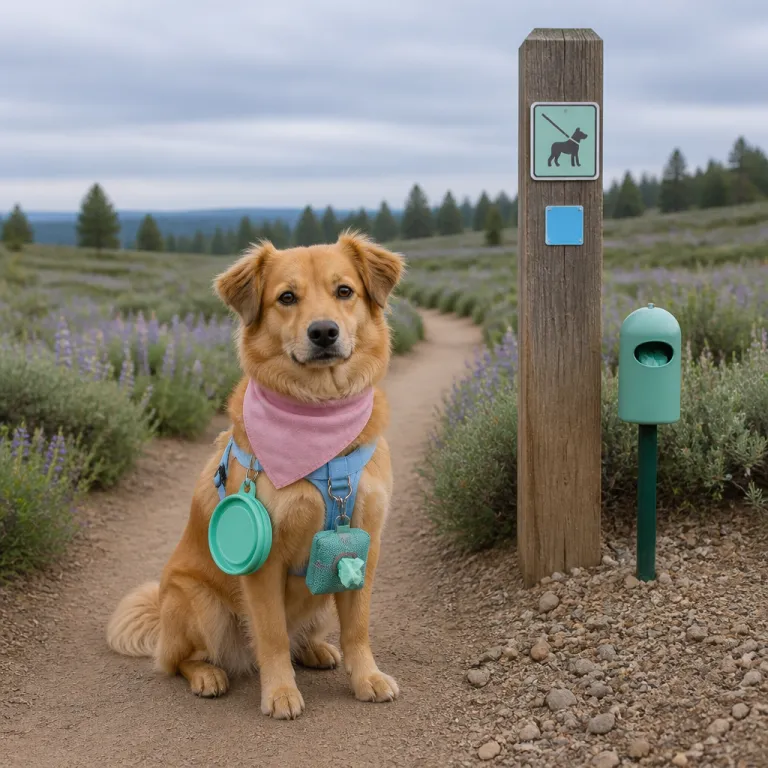
Planning a leave no trace trip with a trail dog
Planning a leave no trace trip with a trail dog
Responsible hiking with a dog starts long before your boots touch a trail. Solo hikers who travel with dogs need to plan where dogs are allowed, which wilderness areas are off limits, and how strict local leash rules are. When you choose routes and camp plans through that lens, you reduce your impact on wildlife, protect fragile areas, and avoid being the reason rangers tighten access for everyone.
Begin with the official park map and pet policy, then layer in ranger advice about specific trails. The National Park Service is clear on the basics; “Are dogs allowed in all national parks? No, policies vary by park; check specific regulations.” Build your itinerary around durable surfaces such as established trails, rock, or gravel, and mark where you will camp on hardened tent pads so your trail dog never tramples cryptobiotic soil or alpine moss.
Think through the seven Leave No Trace principles as you pack, and rewrite each point for life with dogs. When you prepare your pack, include a short dog leash, a lightweight stake, extra water for both of you, and enough bags to manage dog waste from trailhead to camp. Add a printed checklist of Leave No Trace principles adapted for hiking with dogs, so you can leave a trace only in the form of respectful footsteps, not plastic, food scraps, or uncollected waste. For extra convenience, download a printable checklist or save a PDF version to your phone before you leave home.
Rewriting trace principles for hiking with dogs on shared trails
Veteran rangers quietly admit that most dog-related incidents begin with small etiquette slips. A solo hiker who lets a dog leave the trail edge to sniff, or who assumes a quiet side path is fine for an off-leash sprint, often underestimates the impact on wildlife and other hikers. On popular trails where dogs are allowed, those tiny choices accumulate into closures, reroutes, and a reputation that dogs and people cannot share space.
Apply the first Leave No Trace principle by choosing the right destination for hiking with a dog, not forcing a dog into sensitive wilderness areas that were never designed for pets. The National Park Service notes that “What should I do with my dog's waste? Always pick up and dispose of it in designated bins.” That simple act, repeated by all hikers with dogs, keeps water sources cleaner, reduces disease risk, and reassures rangers that visitors will dispose of waste responsibly. Some land managers still allow burying dog waste in catholes in low-use backcountry, but many national parks now recommend packing out all pet waste, so always confirm current guidance.
On the ground, staying on marked trails and camping on durable surfaces is non-negotiable when you travel with dogs. Each time you let a dog leave the path to cut a corner, you widen the trail corridor and speed erosion on steep slopes. If you want a real-world model of good practice, study high-use paths in busy lake districts and well-signed dog-friendly circuits, where careful routing and clear signage show how to keep dog traffic concentrated on durable surfaces. An illustrative photo or simple infographic of proper leash handling and a sample packed-out waste setup can make these ideas easier to copy.
Leashes, wildlife, and the quiet power of staying close
Rangers in national parks will tell you that the dog leash is not a suggestion; it is a wildlife management tool. Ungulates such as deer and elk read a dog as a predator, and an off-leash sprint through meadows can trigger stress responses long after hikers leave. When you keep dog movement tight to your side, you reduce that predator signal and help wildlife hold their ground in critical feeding areas.
Noise matters as much as movement, especially in open alpine basins. A single barking dog can carry a surprising distance in still air, clearing wildlife from an area for hours and changing how animals use those wilderness areas over a season. Your job as a solo hiker with dogs is to avoid that decibel spike by reading your dog early, redirecting with food rewards, and choosing rest spots away from crowded viewpoints where excitement runs high.
Leash length and technique shape how much trace you and your dog leave on the landscape. A short, fixed dog leash keeps a trail dog from weaving across narrow paths, brushing vegetation, and forcing other hikers to step off durable surfaces into soft soil. When you pass people on steep trails, pull your dog in on the uphill side, ask them to sit if trained, and let others move by without needing to leave the trail edge or guess whether your dog will lunge. In most national parks, service animals are exempt from some pet restrictions, but they must still follow leash rules and avoid disturbing wildlife.
Waste, water, and the invisible impact most hikers never see
Nothing tests a Leave No Trace mindset with a dog quite like waste management. “Bag and leave” is never an acceptable option, because plastic bags full of dog waste left beside trails create both visual impact and long-term pollution. Rangers consistently report that those bags attract wildlife, break down slowly, and force staff or other hikers to dispose of waste that should have left with the original pack.
The rule of thumb is simple: bag dog waste immediately, then either carry it in your pack or in a separate exterior pouch until you reach a bin where you can dispose of waste properly. In remote camp areas without bins, follow the same standards used for human waste by packing it out entirely, especially near water sources and in high-use corridors. National Park Service guidance is blunt here; “Can I let my dog off-leash in national parks? No, dogs must be leashed at all times.” That same clarity applies to waste, even when enforcement is light, and many park-level pet policies now spell out pack-out requirements.
Water raises quieter questions, from whether a dog should drink from alpine streams to how far from lakes you should camp with dogs. To protect water sources from contamination, many land managers recommend keeping dog swimming and washing at least 60 metres from lakes and major rivers, and never letting shampoo or food residues enter the flow. When you fill your own bottles, use a filter and carry enough extra water so your dog does not need to stand in fragile shore areas, and remember that giardia and leptospirosis risks can move between wildlife, dogs, and people, as documented in veterinary public health research.
Choosing camp durable sites and pet friendly stays that walk the talk
Where you sleep shapes how much trace you and your dog leave on a landscape. In backcountry zones, select camp-durable sites on bare soil, gravel, or rock at least 60 metres from water, and keep dog food tightly sealed so wildlife never associates tents with easy calories. In front-country campgrounds, use existing tent pads, keep dog bowls on hardened ground, and avoid letting dogs dig or create new depressions that will collect water and accelerate erosion.
Off trail, your accommodation choices can either reinforce or undermine your Leave No Trace with dog ethic. Look for properties that limit dog numbers per room, provide clear guidance on proper waste disposal, and maintain direct access to trails where dogs are allowed on leash. A stay in a well-run village-style camp often makes it easier to respect wildlife because paths, bins, and water points are designed with dogs and hikers in mind.
Urban breaks can also support a low-impact mindset when you choose neighbourhoods with green corridors, signed dog areas, and easy access to public transport. In thoughtfully planned pet-friendly city districts, you can balance culture, comfort, and responsible time on nearby trails. Wherever you stay, ask how the property manages dog waste, whether they provide maps of local trails with clear “dogs allowed” information, and how they encourage guests to respect wildlife in surrounding parks. For more detail, compare their answers with official National Park Service pet rules or local park authority guidance.
Your printable leave no trace with dog checklist for the pack
Turning Leave No Trace principles into habit requires a simple, repeatable system you can run through at every trailhead. A concise checklist in your pack keeps the focus on what matters when excitement and altitude start to blur good intentions. Print it, laminate it, and tape a smaller version to your dog’s harness or your water bottle for quick reference, or download a ready-made PDF checklist to store on your phone.
Use this two-part checklist:
- Before you hike: confirm “dogs allowed” status for each trail; review local wildlife advisories and seasonal closures; pack a sturdy 1.5–2 m leash, spare collar, visible ID, extra water for both of you, and at least double the number of bags you think you will need; plan to pack out all food scraps; store food in secure containers at camp; and choose dog sleeping areas on durable surfaces away from vegetation.
- On trail and at camp: keep dog movement tight on narrow paths; yield early to other hikers and riders; prevent prolonged barking in quiet basins or at camp; manage waste promptly and pack it out; keep your dog and their gear away from water edges; and, before you leave, scan your site for micro litter, confirm that you disposed of waste correctly, check that water sources remain clear of disturbance, and leave a trace only in the form of faint footprints heading back to the car park.
FAQ
Are dogs allowed in all national parks, and how do I check?
Dogs are not allowed on every trail or in every national park, and policies vary widely between regions and even between different areas of the same park. Before you leave home, read the official pet policy on the park’s website and study the map for zones where dogs are allowed on leash. At the visitor centre, confirm current rules with rangers, because seasonal wildlife closures can change access quickly, and remember that service animals follow separate federal rules even when pets are restricted.
What should I do with my dog’s waste on long hikes?
On day hikes with bins at the trailhead, bag dog waste immediately and carry it in your pack until you can dispose of waste in a designated container. In remote wilderness areas without bins, use dedicated pet waste bags and pack everything out to your vehicle or accommodation. Never leave bags beside the trail or toss them into bushes, because that creates more impact than unbagged waste and shifts the problem to other hikers or staff, and check park-level regulations for any rare exceptions that still allow burying waste in catholes.
Why is a leash required even if my dog is well trained?
Leash rules exist to protect wildlife, other visitors, and your dog, not just to control behaviour. Even a well-trained trail dog can trigger flight responses in deer, elk, or ground-nesting birds, and a short dog leash keeps that impact small and predictable. In busy areas, leashes also prevent unwanted contact with people who may be fearful, allergic, or hiking with their own dogs, and they help rangers enforce consistent standards that keep trails open to pets.
How close can my dog be to lakes, rivers, and other water sources?
As a general guideline, keep your dog at least 60 metres from lakes, streams, and wetlands when you are not actively crossing or collecting water. This buffer helps protect water sources from dog waste, disturbed sediment, and food residues that can attract wildlife. When you let your dog drink, use a collapsible bowl filled away from the bank, and avoid repeated entry at the same point, which can damage vegetation and accelerate erosion; for precise distances, follow the recommendations in your park’s official Leave No Trace or pet policy.
What gear should I pack to follow leave no trace with a dog?
For most national park hikes, you should carry a sturdy 1.5–2 m leash, a well-fitted harness, visible ID tags, and enough water for both you and your dog. Add multiple waste bags, a small sealable container or exterior pouch for carrying dog waste, and a lightweight groundsheet so your dog can rest on durable surfaces at camp. A printed checklist of Leave No Trace principles adapted for hiking with dogs helps you run the same responsible routine on every trip, whether you are in high alpine terrain or lowland forests, and you can back it up with a downloadable PDF stored on your phone.