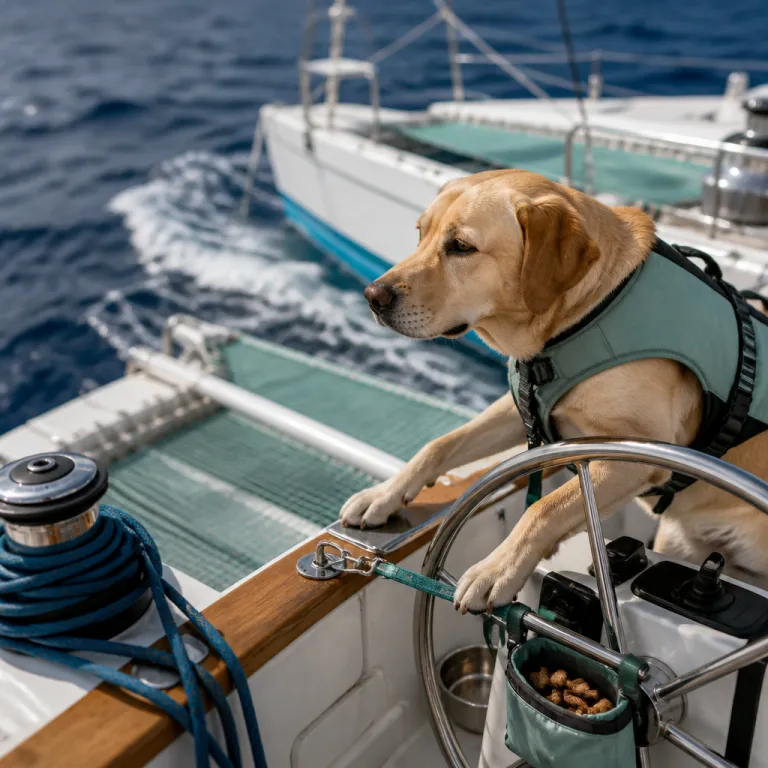
Reading a dog-friendly sailing charter like a seasoned skipper
A genuinely dog friendly sailing charter starts long before your pup steps on the boat. The way a boat company answers four specific questions tells you whether your dog will be treated as a guest or as a logistical burden. Ask these on the first call, not after you set sail with your furry friend and a full crew of unsuspecting guests.
Begin with safety and ask exactly which life jackets for dogs are carried on board, how many sizes they stock, and whether they are comfortable with dogs aboard during night passages. Then move to access and clarify where your dog can roam, whether there is plenty room in the cockpit for a bed, and how they protect paws on deck from hot surfaces in strong sun. Finally, ask about shore logistics, including how often the captain plans beach runs for an energetic pup and what the plan is if an area dog ban closes your preferred landing spot depending season and local rules.
The four crew questions that matter most are simple but revealing for any pet friendly charter. Who on the crew actually likes dogs, who walks them ashore, who cleans if a nervous dog is sick, and who decides when the dog must be crated below during a rough-water cruise. A truly dog friendly yacht team answers without hesitation, speaks about pets in the same breath as human guests, and offers examples from past dog life on board. When a captain talks about specific bays, hidden gems for a quiet swim, and how they adjust the day plan for a senior furry companion, you can hear the respect in their voice.
Where the welcome is real: Maine and the Pacific Northwest islands
Along the Maine coast, a dog-friendly sailing charter feels almost inevitable because every harbor seems to have a resident dog on the pier. Operators such as Dog Gone Sailing Charters LLC work the wide Cape Cod Bay and similar waters with an easy, practiced rhythm that keeps dogs aboard safe while still letting them nose the breeze. Their crews understand that when pets relax, human guests relax, and the whole adventure shifts from anxious to effortless.
In Maine, ask for private charters that linger in small coves where a quick dinghy ride delivers your dog to a quiet beach for a run. Many harbors have working-waterfront rules, so always check website details for leash expectations and any area dog restrictions before you arrive with an off-leash mindset. A good captain will already have a list of pet friendly shore stops, from cafés that welcome a sandy pup to trails where paws on deck can become paws on pine needles within minutes.
Far on the other side of the continent, the Pacific Northwest islands offer a different kind of dog life at sea, with glassy water, forested shorelines, and cool air that keeps decks comfortable. Here, a dog-friendly sailing charter often means a stable catamaran weaving between islands, timing stops around tide windows and marine-park rules. For a deeper map of coastal dog culture, pair your planning with an off-leash beach guide such as this detailed look at how different beaches hand the day over to dogs, then translate that same scrutiny to every bay on your sailing route.
Where the welcome is conditional: BVI, Croatia and the fine print
In the British Virgin Islands, a dog-friendly sailing charter is possible, but the welcome is conditional and the paperwork is non negotiable. Charter yachts here operate under strict import rules for pets, and some islands simply do not allow dogs ashore, no matter how friendly your pup may be. Before you dream about turquoise water and white beach walks, you need to check website details for each island and read the privacy policy and pet policy pages as carefully as you read the cruising guide.
Croatia offers a similar mix of charm and constraint for any pet friendly cruise. Many marinas tolerate dogs aboard quietly, yet some waterfront promenades and national parks enforce area dog rules that change depending season and local municipality. A responsible boat company will brief you on where your furry companion can land, where paws on deck must stay on the yacht, and which hidden gems are realistically accessible with pets rather than just pretty on a brochure.
Across both regions, the most reliable operators treat a dog-friendly sailing charter as a shared responsibility rather than a waiver to be signed and forgotten. They will ask for vaccination records, talk openly about customs inspections, and explain why certain bays are off limits to pets even if the water looks inviting. When you read their website, you should not have to skip content to find the dog section, and you should see clear language about dogs aboard, life jackets, and how they protect your peace mind as a solo traveler managing both a yacht and a furry friend. For nights ashore, pair these charters with genuinely pet friendly stays, using a curated guide to finding the perfect pet-welcoming B&B near the marina.
Trial days, seasick pups and the right hull for an older dog
Every first dog-friendly sailing charter should begin with a trial day, not a week-long commitment. Dogs experience motion differently from humans, and a pup that loves the car may still panic when the boat heels or the engine vibrates through the hull. A single day sail in calm water lets you test everything from seasickness to bathroom routines before you invest in a longer cruise.
Ask your captain to design that day around short hops between sheltered coves, with time on a quiet beach so your dog can reset on solid ground. Watch how your furry companion moves on deck, whether they brace confidently or splay on smooth fiberglass, and whether they drink enough fresh water when the air turns salty. If your dog shows signs of nausea or anxiety, you can adjust with veterinary advice, different life jackets for better balance, or even decide that a coastal hiking holiday suits your dog life better than yachts.
The catamaran versus monohull question becomes sharper with a senior dog or a dog with joint issues. Catamarans such as Nauti Dogs offer wide, stable platforms, gentle motion at anchor, and plenty room in the cockpit for a bed where paws on deck can stay low and secure. Monohulls can feel more alive under sail, but the heel angle and steeper companionways can challenge older pets, so a solo traveler should weigh romance against practicality and choose the hull that keeps both dog and captain steady.
Gear, crew culture and the quiet signals of a truly pet friendly boat
The right gear turns a dog-friendly sailing charter from a nervous experiment into a polished experience. Start with a well fitted harness that clips to a jackline, so your furry friend can move safely without risking a fall overboard during a night watch. Pair that with a canine life jacket that has a strong handle, reflective strips, and enough buoyancy to keep even stocky dogs high in the water.
Deck safety is about more than flotation, especially when sun heats fiberglass to uncomfortable levels for paws on deck. Ask whether the yacht carries nonslip mats, shade cloth, and spare towels so your dog can rest off the hot surface during the brightest part of the day. A thoughtful captain will also plan a fresh water system that keeps a dedicated bowl filled, because dogs aboard often drink more at sea than on land, and salt spray can tempt them to lap at the wrong source.
Crew culture matters as much as equipment on any pet friendly charter. When a team casually mentions where they store drinks snacks for humans but also where they keep spare treats for pets, you know they see your dog as part of the guest list. Companies such as Sail Acadia, which explicitly allow pets on private charters, show how a clear policy can give solo travelers peace mind long before they step onto the bay. For a broader sense of how hospitality teams can elevate animal guests, study how the best hotel pet programs operate in this deep dive on when the pet concierge truly earns its title, then look for the same attitude in any yacht crew you trust with your dog.
FAQ
Are dogs allowed on all sailing charters ?
Policies vary; some allow dogs on private charters only. Many operators welcome a dog-friendly sailing charter in principle, but limit pets to certain yachts, specific routes, or particular times of year depending season and local regulations. Always check website details and speak directly with the boat company before you book, especially if you are a solo traveler managing both the yacht and your furry companion.
Do I need to bring a life jacket for my dog ?
Some charters provide them; confirm in advance. Even when life jackets are available, sizing can be inconsistent, so bringing a well fitted jacket your dog has already worn at home gives extra peace mind. During your trial day, let your pup swim briefly in calm water while wearing the jacket, so both you and the captain can see how it performs.
Are there size restrictions for dogs on boats ?
Yes, size and breed restrictions may apply; check with the charter company. Smaller yachts and heavily crewed boats may struggle to accommodate large dogs aboard safely, especially in tight cockpits with limited shade. When you first contact the operator, share your dog’s weight, temperament, and any mobility issues, so they can recommend the right yacht and route.
How can I tell if a charter will really welcome my dog ?
Look for specific language about pets, not vague promises. A serious dog-friendly sailing charter will describe where dogs can sleep, how often they schedule beach runs, and what happens if a dog becomes seasick. When a captain talks easily about previous dogs aboard and offers to adjust the day plan for your furry friend, that is usually a reliable signal.
What should I pack for my dog on a multi-day cruise ?
Pack enough food for the entire trip, plus a buffer in case weather extends your route. Add a fitted harness, a tested life jacket, collapsible bowls, any medication, and a familiar bed or mat so your dog has a defined space on deck. Many solo travelers also bring enzyme cleaner, spare leads, and a lightweight mat for hot docks, which keeps both the yacht and the beach stops more comfortable for everyone.