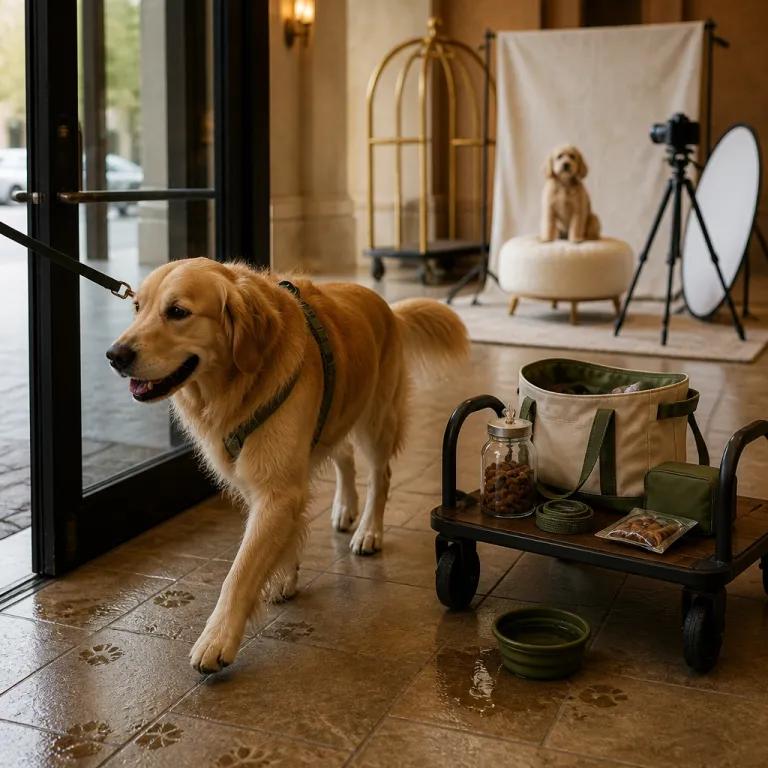
The walk test: when a hotel pet concierge actually leaves the lobby
Most hotel pet concierge programs look polished until you clip on the lead. Once you step outside with your pet, the difference between a real service and a marketing script becomes obvious, because the walk test exposes whether the hotel has invested in trained people or just printed a trail map. For business leisure travelers extending a stay into vacation time, that gap can define the entire experience with their pets.
A genuine hotel pet concierge will name the person handling dog walking before you arrive. The best teams introduce specific sitters, outline their service area around the hotel, and explain how many dog walks are included in the sitting service or charged à la carte. When a property cannot tell you who will be walking your dog, you are not buying pet care, you are buying plausible deniability.
Look at how Windsor Court Hotel in New Orleans treats its Bark Happy dog concierge as an extension of guest services. The hotel partners with Bark Air and local specialists so that dog walking and in room pet sitting are handled by trained sitters, not whoever is off shift at the front desk. That level of structure turns a generic friendly hotel into a place where your furry friends are treated as actual guests, not props for social media.
By contrast, many properties still hand over a photocopied map and call it a walking hotel program. They may list a few pet friendly parks, mention that pets are allowed on the terrace, and stop there, which leaves you improvising dog walks between meetings or a wedding rehearsal. If the hotel pet concierge cannot arrange a last minute pet sitter for a late client dinner, the service is not concierge level, it is brochure level.
For travelers who split time between a hotel and an airbnb or a vrbo vacation rental, the standard should be even higher. You already know that some airbnb Vrbo hosts provide better pet sitting options than full service hotels, especially in cities like Tampa where local pet sitter networks are strong. A hotel that claims to offer premium sitting services must match that level of pet care, or it risks losing repeat business from guests who will simply book a pet friendly vacation rental next time.
Always ask how the hotel screens each sitter and what training the sitters receive in handling anxious pets. Clarify whether dog walking is done individually or in groups, and whether the sitting dog schedule is logged somewhere you can review. A serious hotel pet concierge will answer these questions calmly, while a superficial program will pivot back to the complimentary treat at check in.
The intake test: how serious hotels learn your dog before your keycard
The second filter for any hotel pet concierge is the intake test. Before you hand over a credit card, a serious property will call or email to build a profile of your pet, because proper pet care starts long before the first walk. When that pre arrival conversation never happens, you can assume the hotel pet services offer is mostly theatre.
During a strong intake, staff ask about diet, allergies, and any medical care routines that matter during your stay. They will want to know your dog’s walking pace, whether your pet is reactive in lifts, and how they handle being alone when you are traveling for work. The best programs even ask about your schedule, from early calls to late wedding receptions, so they can plan pet sitting blocks and dog walks that fit your real life.
Some hotels now work with external specialists to get this right, treating the pet concierge as a professional discipline rather than a side task. DCDS, for example, provides hotel pet sitting and dog walking for several luxury properties, while SD Pet Concierge runs a full suite of sitting services and walking support for guests who need reliable coverage. When a hotel partners with such providers, the intake process usually reflects that expertise, because the sitter who will meet your dog has already seen the notes.
Weak programs skip all of this and rely on a generic pet friendly label buried in the terms and conditions. You arrive with your pets, sign a form that says all rights reserved to the hotel if anything goes wrong, and receive a small bowl plus a folded towel. There is no mention of a named pet sitter, no explanation of the sitting service structure, and no clarity on what happens if you are delayed returning from a client dinner in Tampa.
For a business leisure traveler, that lack of structure can derail both the work trip and the vacation tail. You will spend your time negotiating last minute dog walking slots, checking whether the walking hotel team is still on duty, and wondering if the sitter understands your dog’s anxiety triggers. A real hotel pet concierge anticipates those needs and builds a schedule that lets you focus on meetings while your furry friends settle into a calm routine.
If you want to go deeper into how serious teams operate behind the scenes, read our analysis of what the animal concierge really does all day. That piece breaks down how a dedicated pet sitter team coordinates walking, feeding, and in room care across multiple floors without treating pets as luggage. Once you have seen that level of detail, you will never accept a token pet amenity again.
The in room reality check: three programs that walk the talk, two that do not
The third test for any hotel pet concierge happens inside the room. When you open the door with your pet, you immediately see whether the hotel has designed the space for animals or simply added a bowl near the minibar, because real comfort for pets requires more than a folded towel on the floor. For travelers who treat their dogs as family, that difference shapes whether the stay feels like a shared vacation or a compromise.
Windsor Court Hotel in New Orleans is one of the rare properties where the in room pet setup matches the promise. The Bark Happy team functions as a true extension of guest services, arranging elevated beds sized to your dog, placing water bowls away from electrical cords, and coordinating dog walks that start directly from your door. When combined with Bark Air’s Companion Concierge handling international paperwork and custom itineraries, the result is a seamless hotel pet experience that respects both the animal and the owner.
On the West Coast, SD Pet Concierge has built a reputation for thoughtful dog walking and pet sitting support across several high end hotels. Guests can request a specific sitter, schedule sitting dog sessions around spa appointments or wedding events, and rely on consistent pet care standards across the service area. That level of structure turns a generic friendly hotel into a place where your furry friends genuinely settle, rather than pacing on a thin carpet.
In Washington, DCDS quietly delivers some of the best hotel pet sitting in the capital. Their sitters handle everything from late night dog walks after state dinners to midday walking hotel runs for executives stuck in back to back meetings. When a hotel partners with DCDS, the in room pet experience usually includes clear notes about feeding, walking, and emergency care, which gives owners confidence to leave pets resting while they work.
Now the misses. Many large brands still promote a pet friendly badge while offering nothing beyond a small bowl and a printed list of nearby parks, which fails every part of the hotel pet concierge promise. Another common offender is the property that charges a premium pet fee, takes your credit card for a hefty deposit, and then outsources dog walking to unvetted gig workers who have never met your pet before.
Our annual review of hotel pet theatre and dog butler packages highlights how often this gap appears between marketing and reality. The pattern is consistent across city hotels, beach resorts, and even some vacation rental hybrids that try to mimic airbnb Vrbo language without the substance. When you see a glossy photo of a dog at a wedding arch but no mention of who provides pet sitting during the reception, you are looking at a photo op, not a concierge program.
The reader test: four questions that expose pet concierge theatre
By the time you are ready to book, you need a simple script. Four direct questions will reveal whether a hotel pet concierge is part of real hospitality or just a line in the brochure, and they work across city stays, beach breaks, and mountain escapes. Use them before you share any card details or lock in non refundable terms and conditions.
First, ask who will actually handle pet sitting and dog walking during your stay. A serious property will name specific sitters, explain whether they are in house staff or partners like DCDS or SD Pet Concierge, and outline how many dog walks are included in the sitting services. If the answer is vague, or the hotel cannot say who the pet sitter is until check in, you are dealing with theatre.
Second, ask what the pre arrival intake covers for your pet. You want to hear questions about diet, medication, anxiety triggers, and walking pace, plus any special needs around a wedding schedule or late business dinners, because that shows the hotel pet concierge is thinking beyond a single walk. When the only intake is a form at reception that says all rights reserved and lists a damage fee, the hotel is protecting itself, not your pet.
Third, ask for a detailed description of the in room setup for pets. Clarify whether there is an elevated bed, where water bowls are placed, and how housekeeping coordinates with the sitter to avoid startling your furry friends, especially in compact city rooms. A thoughtful friendly hotel will explain how they balance cleanliness, pet care, and guest comfort without making you feel like you are asking for special treatment.
Fourth, ask how the hotel compares its own program with local alternatives such as a pet friendly airbnb or a vrbo vacation rental. Confident teams will acknowledge that some airbnb Vrbo hosts in markets like Tampa offer excellent pet care, then explain why their walking hotel routines, sitting service structure, and on call support still make the hotel the best base. When a reservations agent dodges the comparison, you have your answer.
Once you start using these questions, patterns emerge quickly across your traveling life. You will see which services offer genuine support for pets, which hotels treat the hotel pet label as a checkbox, and where your money actually buys peace of mind. For a deeper look at how cities can feel on the ground with a dog, our guide to Asheville’s most dog forward patios shows how a destination’s attitude matters as much as any single property.
Key figures shaping the future of hotel pet concierge programs
- About 60 % of travelers now journey with at least one pet, according to a recent Travel Industry Report, which means hotel pet concierge programs are no longer niche extras but core guest services in many markets.
- Pet friendly hotel bookings have grown by roughly 15 % in recent hospitality trend analyses, a rise that reflects how many guests will trade traditional perks for reliable pet care and structured dog walking support.
- Analysts expect dogs to represent just over half of the pet friendly hotel market share, which explains why so many services focus on dog walks, sitting dog coverage, and in room comfort for canine guests.
- Industry reporting shows that 94 percent of pet parents are willing to forgo traditional amenities for proper pet accommodation, a shift that should push hotels to invest in real sitters and structured sitting services rather than decorative bowls.
- Specialist programs such as Bark Air’s Companion Concierge and the Bark Happy team at Windsor Court Hotel illustrate how partnerships with dedicated pet care providers can raise standards across an entire service area.