Why summer dog travel safety starts with pavement, not the pet policy page
Summer looks made for pet travel, yet the physics of heat turn a casual road trip into a planning exercise. When air temperature reaches 25 °C, dark asphalt can quietly climb past 50 °C, and by 30 °C the pavement under your dog can exceed 60 °C. For any dog or pet, that means a short walk from the car to a pet friendly lobby can be more dangerous than the entire drive.
Veterinarians and experienced pet owners now treat pavement as the first summer dog travel safety checkpoint, not an afterthought. Data from canine welfare organisations show that at 25 °C air temperature, pavement can reach about 52 °C, and at 35 °C it can approach 65 °C, hot enough to burn skin in seconds. That is why the classic five second pavement test with the back of your hand is already too late once the heat index pushes toward 32 °C, because by then your dog’s paws are absorbing stored heat, not just surface warmth.
The dataset we use for summer travel planning shows that at 25 °C air temperature, pavement can reach around 52 °C, at 31 °C it can hit roughly 62 °C, and at 35 °C it can climb close to 65 °C. Those numbers explain why pet travel in peak summer demands a route that prioritises shade, grass and indoor flooring over scenic sidewalks. Before any long trip, dog safety starts with mapping fuel stops, pet friendly hotels and rest areas where you can keep your dog on cooler surfaces, carry enough water for both pets and humans, and avoid the reflex to leave dog companions in a parked car, even “just for a short time”.
From mid May to late August: the regional summer road trip calendar
Think of summer travel with dogs as a moving heat map across the United States, not a single season. By mid May, the southern states already see heat index values that make midday pavement risky for any dog, and by early June the five second test fails in cities like Phoenix, Houston and Orlando. For pet owners planning a family road trip, that means the safe walking window for pets shrinks week by week, even while school holidays and work calendars push you toward peak heat.
From early June, assume that any summer car journey through the Deep South, desert Southwest or Gulf Coast requires pre 8 am and post 8 pm walks to keep dog paws intact. By late June, many inland cities across the Midwest and mid Atlantic join that list, with pavement temperatures easily 20 to 30 °C above the air temperature on dark asphalt. When the forecast shows a heat index of 35 °C or more, your dog car plan must shift from “we will stop when we feel like it” to a fixed schedule of shaded breaks, grass runs and indoor, air conditioned pauses for both dogs and children.
July brings the harshest combination of humidity and heat for pet travel, especially on multi day road trips where fatigue makes everyone less vigilant. In the southern half of the country, treat any midday stop as a hydration and toilet break only, keeping travel dogs on grass or gravel and avoiding decorative blacktop around fuel stations. For northern routes, such as New England or the Pacific Northwest, you still need a summer pet calendar, but your safe hours extend slightly, often until 9 am and from 7.30 pm, giving more time to walk, feed and keep pets mentally relaxed before another stretch of car travel. For a deeper look at how luxury pet tourism sometimes ignores these limits, our analysis of when luxury pet tourism crosses a line shows why marketing photos rarely match real heat conditions.
The hourly walking window: by July, your dog’s day runs 7 am to 8 pm
Once the calendar flips into high summer, the clock becomes your primary dog safety tool. By early July in most southern and central regions, the only reliably safe walking window for a healthy adult dog is before 7 am and after 8 pm, with brachycephalic breeds needing even tighter timing. That schedule may feel extreme for a family trip, yet it is the only way to keep dog paws and core temperature within a safe range when the heat index hovers near 35 °C.
For pet owners driving long distances, this means reshaping the entire road trip rhythm around your pet, not your preferred breakfast time. Wake before sunrise, offer water and a light portion of food, then give pets a 30 minute walk on grass or shaded paths before loading them into the crate or harness for car travel. During the hottest hours, limit stops to quick toilet breaks on cooler surfaces, and resist the temptation to leave dog companions in the car while you queue for lunch, because even a summer car parked in partial shade can become dangerous within minutes.
By late July and into August, the walking window narrows further in the southern United States, especially for flat faced dogs whose health is already compromised by reduced airway capacity. Many veterinarians now advise a separate calendar for bulldogs, pugs and French bulldogs, with walks confined to pre 6.30 am and post 9 pm on days when the heat index exceeds 32 °C. If your itinerary includes flights as well as road trips, align this schedule with a six week crate training desensitisation calendar, so that your dog associates the crate with calm, cool rest rather than a hot, stressful box.
The car heat equation: why “just five minutes” is never safe
Every summer, the most preventable pet travel tragedy happens in parked vehicles, not on trails. When the outside temperature is 27 °C, the interior of a closed car can reach more than 42 °C within 20 minutes, and at 29 °C it can climb past 43 °C in the same time. For a dog or pet left inside, that heat load overwhelms normal cooling mechanisms long before you return from the service station or café.
Studies on car travel show that cracking windows or parking in shade barely slows this rise, because the vehicle acts as a greenhouse, trapping radiant heat. For summer dog travel safety, the only reliable rule is simple ; never leave dog companions in a parked car, even with the engine running, because mechanical failures and theft risks add new layers of danger. Instead, plan stops where one adult stays with the dogs in air conditioned comfort while the other handles food, fuel and children, then rotate roles so every person and pet gets a break.
Motion sickness adds another layer of complexity for travel dogs, especially on winding mountain roads or during stop start traffic near coastal resorts. Feed a smaller meal at least three hours before departure, keep water available in a spill resistant bowl, and use a well ventilated crate or crash tested harness to keep dog bodies stable during sudden braking. If your pet has a history of nausea or anxiety during road trips, speak with a veterinarian about medication and behaviour strategies well before summer travel begins, and consider how a dedicated pet travel insurance policy, such as those we analyse in our guide to when a single trip policy pays back, fits into your overall safety planning.
Brachycephalic breeds and senior dogs: a separate summer safety calendar
Flat faced dogs such as bulldogs, pugs and French bulldogs live on a different summer timetable from lean, long nosed breeds. Their shortened airways and compromised cooling systems mean that heat stroke can develop at lower temperatures and in less time, especially during car travel or intense play. For these dogs, pet owners should treat any heat index above 28 °C as a red flag, not a mild inconvenience.
On a practical level, that means scheduling walks for brachycephalic dogs before 6.30 am and after 9 pm in the southern United States once June is underway, and avoiding strenuous activity entirely during the day. Keep dog bodies in air conditioned interiors whenever possible, use a lightweight cooling vest during necessary outdoor time, and ensure constant access to fresh water in shaded areas. Senior dogs, overweight pets and those with heart or respiratory disease belong on the same conservative calendar, because their health margins are similarly narrow.
When planning a family road trip that includes these higher risk pets, shorten daily driving distances so you can stop in pet friendly accommodation before the hottest part of the afternoon. Use a well padded crate with a breathable, light coloured cover to shield from sun while maintaining airflow, and position it away from direct vents to avoid cold air blasting onto sensitive joints. For any sign of distress, such as rapid panting, drooling or weakness, treat the situation as an emergency and seek veterinary help immediately, because heat stroke in dogs progresses quickly once core temperature rises.
Hydration, gear and the minimalist summer dog safety kit
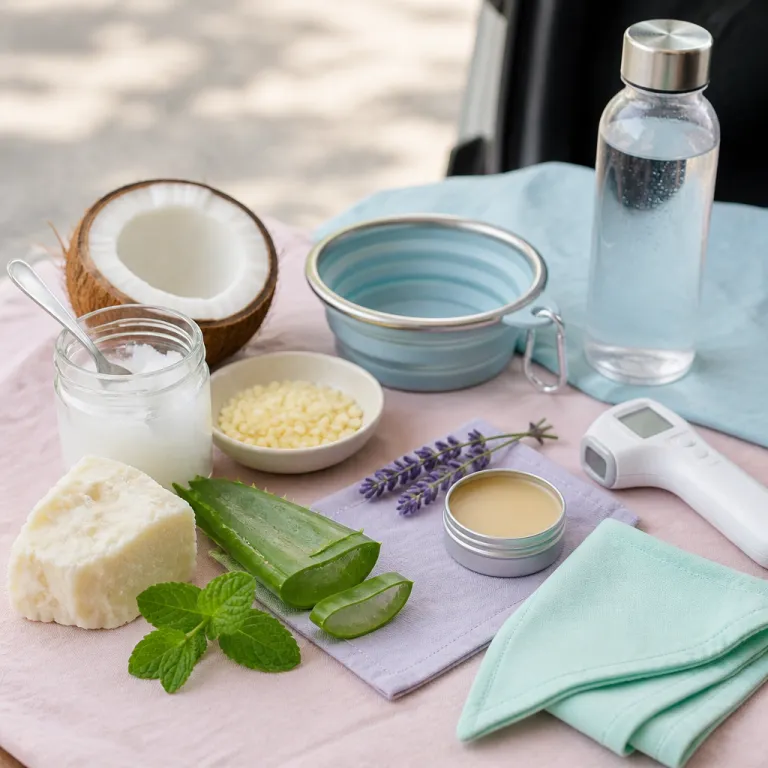
A well packed summer pet kit turns theoretical safety tips into daily habits on the road. Start with water ; carry at least 60 millilitres per kilogram of dog weight for each active hour, and double that reserve for long, exposed stretches between towns. Pair this with a collapsible bowl, a small supply of familiar food and a basic aid kit that includes saline for eye rinsing, paw balm for minor abrasions and bandages for unexpected cuts.
For paws, protective booties or paw wax create a buffer against hot surfaces when you cannot avoid brief contact with pavement or sand. The classic advice from welfare organisations still applies ; “Place the back of your hand on the pavement for seven seconds. If it's too hot for you, it's too hot for your dog.” That simple test, combined with route planning that favours shaded rest areas and grassy verges, will keep dog paws far safer than any last minute improvisation with towels or plastic bags.
Cooling vests, reflective leads and light coloured crate covers add another layer of protection for pets during summer travel, especially on multi stop road trips where you move between climates. Choose gear that dries quickly, fits comfortably and allows full shoulder movement, because restricted gait can increase fatigue and the risk of injury. For pet owners who like data, temperature monitoring apps and compact thermometers help you track both ambient heat and pavement temperature, turning abstract numbers into concrete decisions about when to walk, when to rest and when to adjust the day’s plan entirely.
Daily checklists: keeping your dog safe from pre trip to post trip
Summer dog travel safety works best when it becomes a routine, not a reaction. Before each day’s drive, run a quick checklist ; is the crate secure, are ventilation paths clear, do you have enough water and food for the next segment, and have you mapped shaded stops every two to three hours. This pre trip ritual takes less than ten minutes yet dramatically improves travel safety for both pets and people.
During the day, watch for subtle changes in behaviour that signal heat stress or motion sickness in dogs, such as reluctance to jump into the dog car, excessive panting or drooling, or sudden disinterest in food. Adjust the plan immediately by shortening the next driving leg, increasing rest time in cool interiors and offering small amounts of water more frequently. For families on extended road trips, build one low mileage day into every three day block, giving pets and children a chance to reset their energy and health before the next long stretch.
After the trip, inspect your dog’s paws for abrasions or burns, monitor appetite and energy levels, and schedule a veterinary check if anything feels off. The goal is not only to keep dog companions safe during the journey but to ensure they recover comfortably once home, ready for the next season’s adventures. Over time, this full cycle approach to pet travel turns you from a reactive pet owner into a confident planner who treats heat, pavement and car interiors with the same respect you already give to passports, insurance and hotel reservations.
Key summer dog travel safety statistics
- When air temperature is around 25 °C, pavement can reach approximately 52 °C, which is hot enough to cause paw burns in dogs within 60 seconds, according to data from canine welfare organisations.
- At roughly 31 °C air temperature, pavement temperature can climb to about 62 °C, making unprotected walks on dark asphalt unsafe for most pets, especially during summer travel stops.
- When the air reaches around 35 °C, pavement can approach 65 °C, a level at which brief contact can cause severe burns, reinforcing the need to test surfaces before every walk.
- Interior car temperatures can rise from 27 °C to more than 42 °C in 20 minutes, even with windows slightly open, which is why experts advise never leaving a dog or pet unattended in a parked vehicle.
Frequently asked questions about summer dog travel safety
How can I tell if pavement is too hot for my dog?
Place the back of your hand on the pavement for seven seconds. If it's too hot for you, it's too hot for your dog. Use this test before every walk during summer travel, especially around fuel stations and hotel car parks.
What are signs of paw burns in dogs during a road trip?
Warning signs of paw burns include limping, licking paws more than usual, visible redness, burns or blisters on the pads, and reluctance to walk on previously acceptable surfaces. If you notice any of these during pet travel, move your dog onto cool ground, rinse paws with cool (not icy) water, and seek veterinary advice as soon as possible.
How can I protect my dog’s paws on hot days when traveling?
Protect paws by walking your dog during cooler times, such as early morning and late evening, and by choosing grass, dirt or shaded paths instead of dark asphalt. Use protective booties or paw balm for brief necessary crossings of hot surfaces, and always carry water so you can cool paws and keep your pet hydrated during summer car journeys.
What is the safest way for my dog to ride in the car in summer?
The safest arrangement for car travel is a crash tested harness attached to a seat belt or a well ventilated crate secured in the boot or rear seat area. Keep the interior cool with air conditioning, avoid placing the crate in direct sunlight, and schedule regular shaded breaks so your dog can stretch, drink water and cool down.
How often should I stop with my dog on a long summer road trip?
Plan to stop every two to three hours for at least 15 minutes in a shaded, pet friendly area where your dog can walk on grass, drink water and relieve itself. In very hot weather or when traveling with brachycephalic or senior dogs, shorten the interval between stops and shift the longest driving segments to early morning or late evening.
Trusted references for further reading : American Veterinary Medical Association, The Kennel Club, Royal Society for the Prevention of Cruelty to Animals.