Preparing your pet for a safe and enjoyable trip
Traveling with pets tips begin with thorough preparation to ensure your furry friend’s safety and comfort. Before any trip, schedule a veterinary check-up to confirm your pet is healthy and vaccinations are current. Veterinarians act as crucial health advisors, providing guidance on travel requirements and helping you check if your pet is fit for the journey. For pet owners, this step will help prevent unforeseen health issues during travel and ensure compliance with legal regulations. Make sure your dog, cat, or other pets have proper identification, such as a collar with an ID tag and a microchip. This will help reunite you with your pet if they become lost during your travels.
When traveling with pets, pack a comprehensive travel kit. Include food, water, bowls, leash, waste bags, grooming supplies, medications, and comfort items like toys or blankets. A pet first-aid kit is essential for addressing minor injuries or health concerns on the road. Choose pet carriers or crates that are well-ventilated and spacious enough for your pet to stand, sit, lie down, and turn around comfortably. Familiarize your pet with the carrier or crate before the trip to reduce anxiety. For dogs and cats, short practice trips in the car will help them adjust to the experience of car travel. Pet owners should also research pet-friendly accommodations and book in advance to avoid last-minute complications.
Never leave your pet alone in a parked car, as this poses risks of heatstroke or hypothermia. Regular breaks during car travel allow your pet to exercise and relieve themselves, making the journey more pleasant for both pet and owner. These traveling with pets tips will help you keep your pet safe, comfortable, and happy throughout your trip.
Choosing the right travel method for your pet’s needs
When planning a trip, pet owners must decide between car travel and air travel, each presenting unique challenges and considerations. For car travel, ensure your pet is safely restrained using a harness, seatbelt, or secure carrier. This will help prevent distractions and keep your pet safe in case of sudden stops. Dogs, cats, and other pets should never roam freely in the vehicle. Familiarize your pet with car travel by taking short drives before embarking on a longer journey. This gradual exposure will help reduce stress and make your pet more comfortable with the experience.
For air travel, check with your chosen airline regarding their specific policies for traveling with pets. Airlines have varying requirements for pet carriers, documentation, and fees. It is essential to choose pet carriers that meet airline standards and provide adequate ventilation and space. Before booking, confirm that the airline is pet friendly and inquire about any restrictions for traveling with dogs, cats, or other animals. Some airlines offer special accommodations for pet owners, making the journey smoother for both you and your pet.
Regardless of the travel method, always keep your pet’s health and comfort in mind. Bring pet essentials, such as food, water, and comfort items, to help your pet feel secure during the trip. If you are traveling with multiple pets, ensure each has its own carrier or crate. These traveling with pets tips will help you make informed decisions and ensure a safe journey for your furry companions.
Ensuring comfort and safety during car travel with pets
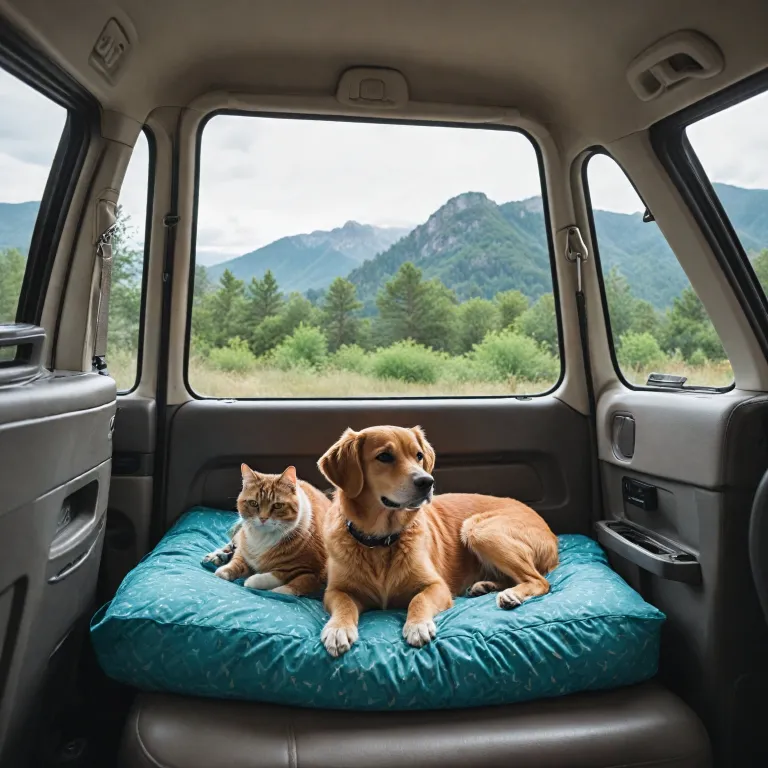
Car travel remains a popular choice for pet owners, offering flexibility and control over the journey. To keep pet safety a priority, always use a well-ventilated carrier, crate, or pet seatbelt harness. This will help prevent injuries and reduce distractions while driving. Dogs, cats, and other pets should be introduced to the car environment gradually, starting with short trips to help them acclimate. Regular breaks are essential during long journeys, allowing your pet to exercise, hydrate, and relieve themselves.
Never leave your pet unattended in a parked car, even for a short time. Temperature fluctuations can quickly lead to heatstroke or hypothermia, putting your pet’s health at risk. When planning your route, identify pet friendly rest stops and accommodations in advance. This will help you avoid unnecessary stress and ensure your pet’s needs are met throughout the trip. Bring pet essentials, such as water, food, and familiar toys, to create a comfortable environment for your furry friend.
For those traveling with dogs or cats, secure all windows and doors to prevent accidental escapes. Keep your veterinarian’s phone number handy in case of emergencies. If your pet experiences motion sickness, avoid feeding them right before the trip and consult your veterinarian for advice. As the dataset states: "Use a well-ventilated, secure carrier or a pet seatbelt harness to restrain your pet. Never allow them to roam freely in the vehicle. These traveling with pets tips will help you keep your pet safe and comfortable on the road.
Navigating air travel with pets: regulations and best practices
Air travel with pets requires careful planning and adherence to airline regulations. Before booking your flight, check with the airline to understand their policies for traveling with pets. Each airline has specific requirements for pet carriers, documentation, and fees. Choose pet carriers that are airline-approved, well-ventilated, and spacious enough for your pet to move comfortably. For pet owners, ensuring your pet’s comfort and safety during air travel is paramount.
Prepare your pet for air travel by acclimating them to the carrier in advance. Place familiar items, such as a favorite blanket or toy, inside the carrier to help reduce anxiety. Ensure your pet’s identification is up to date, including a collar with an ID tag and a microchip. Bring pet essentials, such as food, water, and medications, in your carry-on bag. Some airlines allow small pets in the cabin, while others require pets to travel in the cargo hold. Always check with the airline to confirm their pet friendly policies and any restrictions for traveling with dogs, cats, or other animals.
Consult your veterinarian before air travel to ensure your pet is healthy and fit for the journey. As highlighted in the dataset: "Yes, airline policies vary. It's important to check with your specific airline regarding their pet travel policies, including carrier requirements, fees, and health documentation." These traveling with pets tips will help you navigate the complexities of air travel and ensure a safe, comfortable experience for your pet.
Pet friendly accommodations and on-the-road essentials
Finding pet friendly accommodations is a crucial aspect of planning any trip with pets. Research and book hotels, lodges, or vacation rentals that welcome pets, ensuring they offer amenities suited to your furry friend’s needs. Many establishments now cater to pet owners, providing services such as pet beds, bowls, and designated exercise areas. When traveling with dogs or cats, confirm the property’s pet policy, including any size or breed restrictions, before booking.
Pack a travel kit with all necessary items to keep your pet comfortable and healthy on the road. Include food, water, bowls, leash, waste bags, grooming supplies, medications, and comfort items like toys or blankets. A pet first-aid kit is essential for addressing minor health concerns during your trip. For longer journeys, plan regular stops at pet friendly parks or rest areas to allow your pet to stretch and play. This will help reduce stress and keep your pet happy throughout the trip.
Always keep your veterinarian’s phone number and emergency contacts accessible. If you are traveling with multiple pets, ensure each has its own carrier or crate. These traveling with pets tips will help you choose pet friendly accommodations and prepare for a smooth journey. For more advice on finding the best places to stay with your pet, consult our comprehensive accommodation guide.
Expert advice and innovative tools for stress-free pet travel
Expert guidance is invaluable when traveling with pets, especially for first-time pet owners. Veterinarians provide essential health check-ups, vaccinations, and travel advice to ensure your pet is ready for the journey. Airlines offer detailed guidelines for traveling with pets, including carrier requirements and documentation. Pet owners play a vital role in preparing and caring for their pets throughout the trip.
Innovative tools, such as pet travel apps and GPS trackers, enhance safety and convenience for pet owners. These technologies help you locate pet friendly accommodations, track your pet’s location, and access emergency contacts quickly. As the dataset notes, advancements in pet travel carriers and safety equipment have made journeys safer and more comfortable for pets. For those traveling with dogs, cats, or other animals, these tools will help you stay organized and prepared.
Remember to check with your veterinarian and airline before traveling to ensure all requirements are met. As the dataset advises: "Essential items include food, water, bowls, leash, waste bags, grooming supplies, medications, comfort items like toys or blankets, and a pet first-aid kit." These traveling with pets tips will help you leverage expert advice and innovative tools for a stress-free travel experience with your furry friend.
Key statistics on traveling with pets
- Annual pet travel incidents reported by U.S. Department of Transportation: 48 incidents
- Percentage of pet owners over 50 who travel with their pets: 50%
- Number of deaths caused by rabies globally each year: 59,000 deaths
Frequently asked questions about traveling with pets
What should I pack when traveling with my pet?
Essential items include food, water, bowls, leash, waste bags, grooming supplies, medications, comfort items like toys or blankets, and a pet first-aid kit.
How can I prevent my pet from getting motion sickness during travel?
Avoid feeding your pet right before travel; instead, provide a light meal 3-4 hours prior. Consult your veterinarian for advice on motion sickness medications if necessary.
Are there specific airline regulations for traveling with pets?
Yes, airline policies vary. It's important to check with your specific airline regarding their pet travel policies, including carrier requirements, fees, and health documentation.