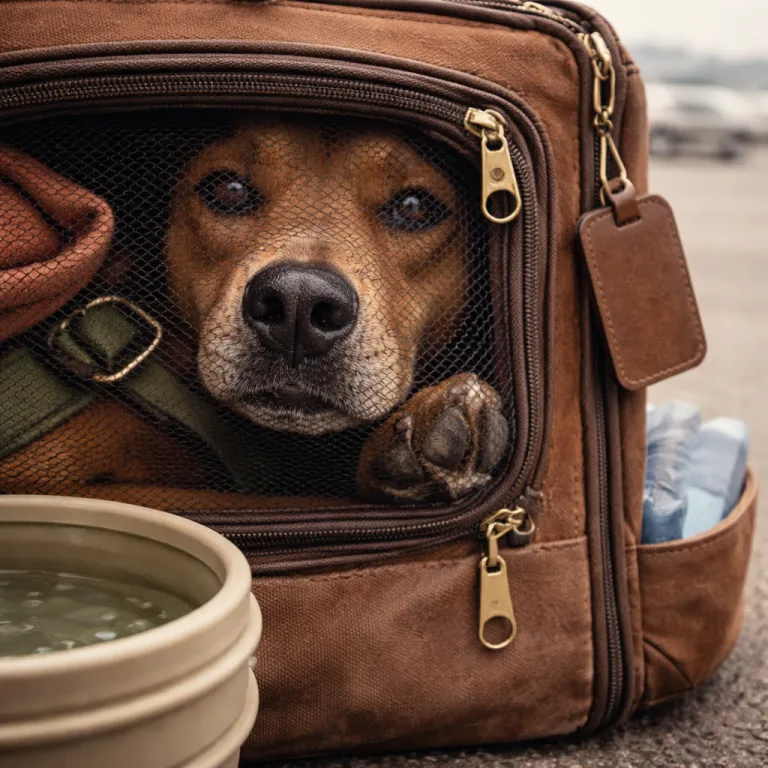
Mapping the summer pet travel embargo across major US airlines
Summer turns every airport apron into a heat trap for any pet. Airlines impose a summer pet travel embargo because high temperatures in cargo areas and on the tarmac raise the risk of heat stress for animals in transit. As one industry summary puts it, “Airlines impose pet travel embargoes in summer? To protect pets from heat-related risks during transit.”
Across the United States, most airlines now publish clear calendars for weather embargoes that affect pet travel in the hold. Data from relocation specialists and airline safety briefings shows that a large majority of carriers implement summer pet embargoes once the temperature at origin, connection, or destination is forecast above about 29 degrees Celsius (around 85°F), and these embargoes typically run from late May into September. That means your summer travel plans with pets must start not with a dreamy destination search, but with a route map filtered by temperature, restrictions, and aircraft type.
On US carriers, the pattern is consistent even if the details vary between airlines. American Airlines, for example, usually suspends animal shipments as standard cargo travel on many southern and inland routes once hot weather settles in, while some airlines’ cargo divisions keep animals moving on a smaller network of temperature-controlled flights. Delta and United follow similar principles, combining temperature thresholds with route-specific rules and aircraft limitations. Expect that a pet will be accepted in the cabin more often than in cargo during extreme heat, but only if the animal, carrier size, and required documents meet strict pet-friendly rules.
For long-haul pet transport, United States hubs such as Houston or Phoenix can be problematic in peak summer because cargo holds sit on the tarmac during loading. Many airlines now use temperature monitoring systems and procedures aligned with the International Air Transport Association (IATA) Live Animals Regulations to decide when animal shipments must pause, and they will not guarantee that a pet will be accepted if the temperature spikes on departure day. Build flexibility into your airline booking, and always call the airline cargo desk directly to ensure pet safety protocols match your expectations.
To make those calls more concrete, use a simple planning checklist: confirm the airline’s published summer embargo dates for pets in cargo, ask whether any exceptions exist for early-morning or late-evening departures, and verify which hubs remain open for animal transport when heat advisories are in place. For example, some carriers keep limited pet routes operating through cooler gateways even when standard cargo acceptance is suspended elsewhere.
| Airline | Typical summer embargo window* | Common temperature trigger | Noted hot-weather hubs |
|---|---|---|---|
| American Airlines | Approx. May–Sept for many cargo routes | Around 85°F (29°C) at any station | Phoenix, Dallas–Fort Worth, Miami |
| Delta Air Lines | Late spring–early autumn, route dependent | About 84–85°F (29°C) with local variations | Atlanta, Salt Lake City, Minneapolis–St. Paul |
| United Airlines | Seasonal limits plus year-round heat rules | Near 85°F (29°C) using forecast and humidity | Houston, Denver, Chicago O’Hare |
*Exact dates and thresholds change; always verify current pet policies and weather restrictions directly with the airline before booking.
Heat, breeds, and the five summer routes that usually stay open
Heat is the quiet variable that decides whether pets fly or stay grounded. Airlines frame their summer pet travel embargo policies around a simple principle: when the outside temperature climbs, the risk to animals in cargo rises sharply. Internal guidance often mirrors military and government standards that set a temperature threshold for pet travel restrictions at around 29 degrees Celsius, because above that point even short delays on the ramp can be dangerous for confined animals.
Snub-nosed breeds such as French Bulldogs, Pugs, Boxers, and some flat-faced breeds of cats face the toughest rules, since their airways make them more vulnerable to extreme heat. Several airlines now refuse these animals entirely for cargo travel year round, while others allow limited pet transport only on specific cooler routes. Before you even sketch your summer travel plans, check each airline’s brachycephalic list and breed-specific embargoes, because a pet move for a snub-nosed dog that was possible in spring may be blocked by new restrictions by early June.
There is, however, a recurring pattern of cooler gateways that remain viable for pet travels in summer. Routes touching Seattle, Portland, Boston, Denver, and Anchorage often stay open longer because local temperatures rarely hit the most critical thresholds, and some airlines’ cargo teams prioritize these airports for temperature-controlled animal shipments. When planning pet travel between the United States and Europe, pairing these cooler US cities with northern European hubs such as Amsterdam or Copenhagen can help keep animals in safer conditions.
To translate that pattern into decisions, it helps to sketch a simple route matrix. For example, a pet moving from Texas to Germany in July might route via Seattle rather than through a hotter southern hub, while a move from Florida to the UK could be staged through Boston with an overnight break. These workarounds add time and cost, but they keep pets away from the most intense heat and reduce the chance of last-minute cancellations.
Regulatory layers add another level of complexity for any pet and owner heading to or from Europe. EU rules on animal welfare in transport interact with airline restrictions, so a route that looks fine on an airline booking engine may still be blocked by local weather embargoes on the day. For a clear overview of how different countries handle pet travel restrictions by season, consult this detailed guide on understanding pet travel restrictions by country before you commit to dates.
Planning a safe pet move when temperatures climb
Good planning turns a rigid summer pet travel embargo into a navigable puzzle rather than a dead end. Start by deciding whether your pet travels in cabin or as checked or manifest cargo, because each option carries different restrictions, costs, and levels of temperature control. Many airlines allow small pets in cabin on more routes during summer, while tightening rules for cargo travel when hot weather makes the apron unsafe.
For any animal flying in the hold, ask the airline specific questions about temperature-controlled facilities, transfer procedures, and how they keep animals off the tarmac during delays. Some airlines’ cargo operations use climate-controlled vans between aircraft and terminals, while others still stage crates outdoors, which increases risk when temperatures exceed 29 degrees Celsius. Clarify in writing whether animal shipments will be moved in covered vehicles, and whether the airline will reroute or cancel if weather makes it impossible to ensure pet welfare.
Documentation is another pressure point once summer restrictions begin. Required documents usually include vaccination records, health certificates dated close to departure, and in some cases import permits, and airlines will not load a pet if any element is missing or inconsistent. Build a file that travels with you and a digital backup, because having every paper ready helps airline staff keep animals moving quickly through check-in and reduces time spent in non temperature-controlled zones.
One practical way to stay organised is to create a simple timeline. Six to eight weeks before departure, confirm airline pet policies and embargo dates, and book a veterinary appointment for any required vaccinations or health checks. Two to three weeks out, finalise routing, crate training, and paperwork. In the last few days, reconfirm temperatures and flight status with the airline, and prepare a labelled travel kit with food, medications, and contact details attached to the crate.
Stress management matters as much as logistics for both pets and humans. If your pet is prone to anxiety, rehearse crate time at home, and schedule flights at cooler times of day to help keep animals calmer and safer. For more behavioural strategies, including how to handle separation at security and boarding, this guide to easing pet anxiety during travel offers practical techniques that align well with airline safety protocols.
Fallback options when a summer embargo disrupts your itinerary
Even the best planned pet move can collide with a sudden heat wave and a tightened summer pet travel embargo. Airlines reserve the right to cancel animal shipments on the day if temperatures exceed their safety thresholds, and no amount of negotiation will override a captain’s decision about what is safe. That is frustrating when your own travel is time sensitive, but it is exactly how airlines ensure pet welfare when conditions change quickly.
Build a tiered plan before you book, starting with your ideal route and then mapping alternatives that keep animals away from the hottest hubs. One option is to separate your own travel from pet transport, using a specialist relocation company that can route animals through cooler airports and temperature-controlled facilities while you fly a more direct path. Another is to adjust your dates so that your pet travels in late spring or early autumn, while you handle peak summer flights alone and reunite later.
For some travellers, the most humane choice during extreme heat is to keep animals at home with trusted care. That might mean a professional sitter, a family member, or a pet-friendly boarding facility that understands your pet’s routine and medical needs. If you are managing a longer assignment or relocation, consider whether a phased move, with your pet following once weather embargoes ease, will better ensure pet safety than forcing a risky summer connection.
Health context also matters when weighing these decisions, especially for older pets or snub-nosed breeds with existing respiratory issues. If your itinerary includes surgery or medical changes, such as neutering for a male cat before a long stay abroad, factor in recovery time and travel stress together. For a deeper look at how such procedures affect behaviour and comfort on the road, this piece on understanding your male cat before and after neutering can help you time both the operation and the journey more thoughtfully.
A brief example shows how this can work in practice. One family relocating from Arizona to the UK in July chose to delay their dog’s flight until September, when embargoes eased and cooler overnight routes via Denver became available. They travelled ahead to set up housing and veterinary care, then coordinated with a pet transport company to move the dog on a separate itinerary that avoided the hottest hubs and reduced total time in cargo areas.
FAQ about the summer pet travel embargo
Why do airlines impose summer embargoes on pet travel in cargo holds ?
Airlines impose these embargoes to keep animals safe when outside temperatures make cargo operations risky. High heat on the tarmac and in non temperature-controlled areas can cause rapid overheating, especially during delays. The stated objective is to reduce heat-related incidents and align with animal welfare regulations that prioritise pet safety over schedule convenience, including standards referenced in the IATA Live Animals Regulations and U.S. Department of Transportation guidance.
Can pets still travel in cabin during a summer pet travel embargo ?
Most airlines continue to allow small pets in cabin during summer, because the aircraft cabin remains temperature controlled throughout the journey. However, each airline sets its own restrictions on carrier size, number of animals per flight, and routes where in-cabin pet travel is permitted. Always confirm during airline booking that your specific pet will be accepted in cabin on the exact flights you plan to take.
What alternatives exist if my pet cannot travel due to hot weather restrictions ?
When cargo travel is blocked by weather embargoes, you can explore several alternatives depending on distance and timing. Some travellers shift to driving, which allows closer control of temperature and rest breaks, while others use professional pet transport companies that specialise in routing animals through cooler airports. In some cases, postponing the pet move to a cooler season or arranging trusted home care is the safest solution.
How can I reduce the risk for my pet if summer travel is unavoidable ?
If you must travel with a pet in summer, choose flights at dawn or late evening when temperatures are lower. Select routes that avoid the hottest hubs, and prioritise airlines that offer temperature-controlled handling for animal shipments. Ensure pet health checks are current, keep animals well hydrated, and arrive early so check-in staff have time to process required documents without rushing.
Do all airlines follow the same rules for pet embargoes and temperatures ?
Policies vary between airlines, even though most work toward the same safety goals. Some carriers set a strict temperature cut off, while others use a combination of forecast, humidity, and local procedures to decide whether a pet will be accepted. Major US airlines such as American, Delta, and United all publish detailed pet policies that outline their specific embargo rules. Always read the latest pet policy for each airline you consider, and confirm details directly with the airline cargo or customer service team before finalising your plans.
References
U.S. Department of Transportation guidance on animal transport safety ; American Veterinary Medical Association travel with pets resources ; International Air Transport Association Live Animals Regulations ; publicly available pet travel policies from major U.S. airlines including American Airlines, Delta Air Lines, and United Airlines.