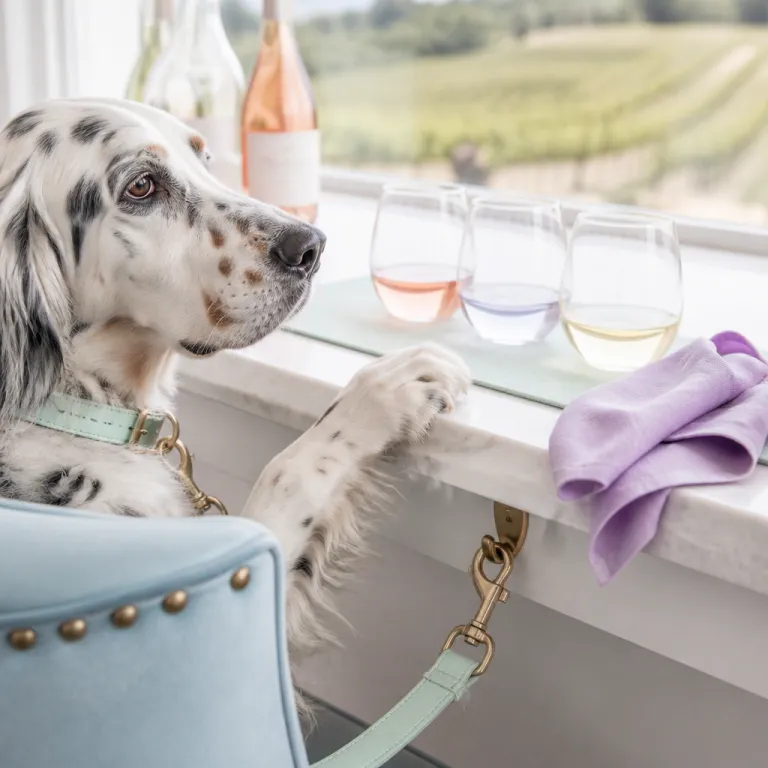
Why wine country dog-friendly travel belongs on your business-leisure radar
Wine country dog-friendly travel has quietly become one of the most relaxed ways to turn a work trip into a real weekend. In Sonoma, the Willamette Valley and even parts of Napa Valley, the right winery will treat your dog as part of the estate rhythm rather than a tolerated accessory for one quick tasting. For an executive used to tight schedules, that means you can move from a boardroom in San Francisco to a shaded vineyard walk with your dog in under two hours.
The shift is structural, not cosmetic; tasting rooms have evolved into a hospitality category where dogs are normal, especially at family owned properties. Sonoma alone counts dozens of friendly wineries, and the most serious estates now design outdoor seating, vineyard paths and even inside tasting options around leashed dogs and their humans. Because hot parking lots, long tasting flights and fragile stemware can be a risky mix for both dogs and people, the best estates now think through shade, surfaces and walking routes as carefully as they plan their pinot noir program.
Travelers who plan a wine tasting weekend with dogs need to think like hot-climate locals, not like hurried visitors. That means choosing each winery and tasting room for comfort, water access and safe movement, not just for the most talked about wines. It also means accepting that the best dog friendly itinerary in wine country often includes fewer wineries, longer visits and one pet friendly inn where the staff actually knows your dog’s name.
Sonoma estates where dogs are part of the day, not a prop
Sonoma’s wine country dog-friendly reputation is earned at the estate level, where dogs are woven into the daily pattern of vineyards and tasting rooms. Larson Family Winery in Sonoma Valley is a textbook example of a friendly winery that understands how families travel with dogs and children together. The property is located on open land with lawns, picnic tables and outdoor seating that lets your dog settle under the table while you work through a flight of wines.
Larson Family Winery, 23355 Millerick Rd, Sonoma, CA 95476, typically welcomes guests Thursday–Monday from late morning to late afternoon; reservations are recommended and policies can be confirmed via the main tasting room line at (707) 938-3031. Always verify current hours and dog rules directly with the winery, as seasonal changes and special events can affect access. Staff treat the resident dogs as informal hosts, which sets the tone for visiting dogs and their owners. You book a wine tasting, they bring water bowls, and suddenly the tasting room feels like a relaxed family owned club rather than a fragile gallery of glass.
Elsewhere in Sonoma County, estates like those around the valley floor near the town of Sonoma lean into vineyard walking culture with signed paths where leashed dogs are expected, not merely permitted. Many of these wineries are located within a 45–70 minute drive of downtown San Francisco via US-101 or I-80/CA-37, which makes them ideal for a Friday afternoon escape after meetings. Aim for two friendly wineries per day, prioritizing those with generous outdoor areas and a calm tasting room where your dog can nap while you compare pinot and other wines.
Willamette Valley’s shaded patios and pinot culture on four paws
Head north and the Willamette Valley shows how a cool-climate pinot belt can be intensely wine country dog-friendly without fuss. Here, vineyard owners often arrive at the tasting room with their own dogs, and the expectation is that visiting dogs will slot into that relaxed rhythm. Airlie Winery, a dog friendly property in the coastal foothills, has long treated dogs as part of the landscape rather than a marketing angle.
Airlie Winery, 15305 Dunn Forest Rd, Monmouth, OR 97361, sits about 75 minutes from Portland and roughly 25 minutes from Corvallis by car. The tasting room phone, (503) 838-6013, and the recorded message list current hours, which usually run from late morning to late afternoon on most days in peak season. Because policies and schedules can shift with weather and events, confirm dog access and tasting availability when you reserve. Airlie’s lawns, ponds and casual outdoor seating make it one of the best dog stops in the valley for a slow wine tasting, with easy parking close to the main patio so you are not crossing hot asphalt with a leashed dog.
Several other Willamette estates now design patios specifically for hot July afternoons, with deep shade, cross breezes and easy access to cooler indoor areas if the temperature spikes. When you plan a visit, ask directly about where dogs are allowed, how close the parking is to the tasting room and whether staff can help you avoid leaving a dog in a hot car. For more broad pet travel strategy — from choosing between a pet friendly Airbnb and a high service hotel with a doorman — it is worth reading this guide on when a vacation rental wins and when a hotel doorman saves your trip.
Napa’s lone bright spots and the parking-lot problem
Napa has a reputation for being less wine country dog-friendly than Sonoma or the Willamette Valley, and that perception is mostly accurate. Many wineries Napa side lean toward controlled tasting experiences, limited outdoor seating and stricter health regulations that keep dogs away from inside tasting spaces. Yet there are exceptions, and they matter for travelers who want at least one Napa Valley stop with their dog.
Properties such as Tamber Bey, located near Calistoga, have built a following as genuinely dog friendly wineries Napa can be proud of. Tamber Bey Vineyards, 1251 Tubbs Ln, Calistoga, CA 94515, combines a working horse ranch with vineyards, which creates a relaxed outdoor environment where dogs on leashes feel natural among barns and vines; the main number, (707) 942-2100, and the tasting room team can confirm current dog policies and seasonal hours. Check the winery’s latest guidance before you drive up, as appointment requirements and patio access can change. Some Napa Valley tasting rooms in and around downtown Napa also offer pet friendly patios, though you should always confirm dog policies before you visit and check whether any inside tasting options exist for cooler days.
The real Napa challenge is not the tasting room; it is the parking lot. On peak days, asphalt temperatures can make it dangerous to leave a dog in the car even for a short check in, so the best dog strategy is to travel with two humans or to choose only wineries with shaded parking and quick access to the estate entrance. If you are building a broader pet travel calendar that avoids coastal crowds and peak heat, the long form guide to peak summer pet travel alternatives offers useful context for timing your Napa Valley and Sonoma visits.
A two-day dog friendly circuit from San Francisco
For a business-leisure traveler based in San Francisco, the most efficient wine country dog-friendly circuit runs as a loop through Sonoma and the Willamette Valley with a focused Napa stop. Day one can start with a morning drive to Sonoma Valley, where you book a late morning wine tasting at Larson Family Winery and then a second visit at another family owned estate with generous outdoor seating. Keep the schedule light so your dog has time to walk the vineyards, settle in the tasting room and rest in your pet friendly inn before dinner.
Choose an inn or small hotel in or near downtown Napa that has a clear pet friendly policy, ground floor access and a room layout that allows a dog bed away from the door. The best dog friendly properties will offer a shaded outdoor area for quick walks, plus staff who can recommend friendly wineries and safe vineyard trails. When you compare options, use the same decision framework you would apply in a national park — as outlined in this piece on quiet, pet-welcoming park travel — focusing on shade, surfaces and distance from busy roads.
Day two can be reserved for a longer drive north to the Willamette Valley, where Airlie Winery and other friendly wineries offer a softer, slower rhythm. Here, you can spend most of the afternoon at a single vineyard estate, moving between the tasting room, lawn and vineyard edge as your dog alternates between naps and short walks. This two-day pattern — three or four wineries total, one inn that walks the talk and a constant focus on shade and water — is the most sustainable way to experience wine country with dogs without compromising on either hospitality standards or animal welfare.
How to choose genuinely dog friendly wineries and tasting rooms
Sorting the truly wine country dog-friendly estates from the merely tolerant ones comes down to a few precise checks. First, look for wineries that mention dogs in the context of estate life — vineyard walks, outdoor seating design, staff routines — rather than as a small-print policy at the bottom of the tasting page. Second, call or email to ask where exactly dogs are allowed, whether the tasting room has space for a dog to lie down and how far the parking is from the entrance.
In Sonoma and the Willamette Valley, the best dog friendly wineries will usually be family owned, with owners or managers on site who know regular canine visitors by name. They will have water bowls ready, clear rules about leashes and a calm attitude when a dog shifts under the table during a wine tasting. In Napa Valley, where regulations are tighter, focus on estates like Tamber Bey and a small number of other friendly wineries Napa side that offer outdoor tasting areas integrated into the vineyard rather than isolated patios by the parking lot.
Across all three regions, your goal is to align your own standards of hospitality with your dog’s needs for shade, water and predictable movement. That means choosing a tasting room where staff are comfortable with dogs, where the vineyard or estate grounds offer short walking loops and where the room layout keeps your dog away from high traffic service paths. When you find those places, wine country becomes not just dog friendly but a shared landscape where both your palate and your dog’s comfort are taken seriously.
FAQ
Are dogs allowed in all wineries in Sonoma, Napa and the Willamette Valley ?
Dogs are not allowed in all wineries, even in regions with a strong wine country dog-friendly reputation. Only designated dog friendly or pet friendly wineries accept dogs, usually with leash requirements and limits on where they can sit. Always check each winery’s policy before you visit, because rules vary between tasting rooms and estates.
What should I bring when visiting a winery with my dog ?
At minimum, bring a sturdy leash, portable water bowl and waste bags for any visit to vineyards or tasting rooms. In hotter months, add a cooling mat or light towel so your dog can rest comfortably on stone or deck surfaces. A small blanket that smells like home can also help your dog relax under the table during a long wine tasting.
How many wineries can I realistically visit in one day with a dog ?
With a dog, two wineries per day is usually the upper limit for a relaxed, humane schedule. This allows time for slow tastings, vineyard walks and rest breaks without rushing your dog between hot parking lots and crowded tasting rooms. Serious wine travelers often find that fewer visits lead to better conversations, deeper tastings and a calmer dog.
Are there amenities for dogs at wine country estates ?
Some wineries provide water bowls, treats and shaded outdoor seating areas specifically for dogs, while others simply allow dogs without offering extras. When you book, ask whether the tasting room or patio has shade, where water is available and whether staff are comfortable around dogs. These details signal whether a winery is genuinely dog friendly or just technically pet tolerant.
Is it safe to leave my dog in the car during a tasting ?
Leaving a dog in a car during a wine tasting is rarely safe, especially in Napa Valley and Sonoma where parking lots can become extremely hot. Even a few minutes in a closed or partially open car can be dangerous, so plan tastings where your dog can join you in the outdoor areas or tasting room. If a winery cannot accommodate your dog safely, skip that visit rather than risking heat stress.