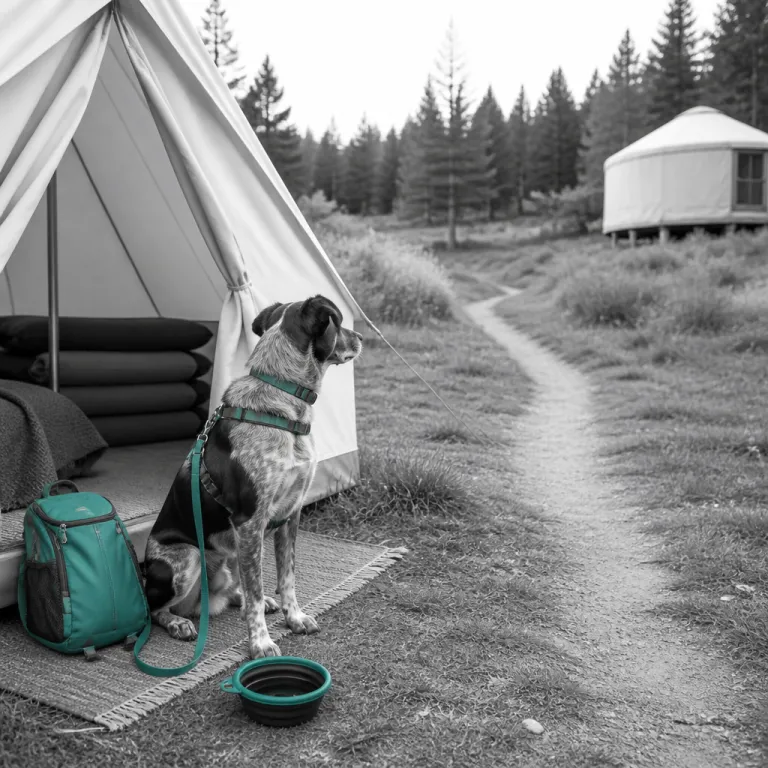
Why dog-friendly glamping is not just camping with nicer sheets
Dog-friendly glamping sits between a backcountry bivouac and a polished resort stay. It promises the best mix of comfort and proximity to hiking trails, yet many glamping sites still treat the dog as an afterthought. For a solo traveler, the difference between a genuinely pet-welcoming retreat and a property with a vague pet policy is the difference between a peaceful night and a long, anxious one.
Glamping in the United States has grown steadily, and the segment that welcomes a dog has followed, but pet inclusion remains inconsistent across tents, domes and yurts. Some operators allow dogs inside the canvas tents, others insist the furry friend sleeps in a crate outside, and a few quietly steer guests toward off site kennels. When you read that a place is pet friendly, you need to know whether that means a token water bowl at reception or a full dog-centric glamping experience where the trail begins at the tent flap.
Data from pet travel surveys and industry reports, including the American Pet Products Association’s 2023–2024 National Pet Owners Survey, show that more than half of U.S. households now share life with a pet and that many owners consider pet friendly accommodation essential, not optional. A significant share of those guests prioritizes hiking access, which is exactly where glamping tents and glamping sites should excel. The best dog friendly properties understand that the dog is not luggage but a co traveler whose comfort shapes the entire stay.
Across California, Colorado and the Northeast, new glamping sites are testing everything from dome suites to converted shipping container cabins with decks and fire pits. Some of these properties sit within minutes of a state park or national forest, while others are carved out of a working ranch with private hiking trails. The common promise is immersion in nature without sacrificing a proper mattress, hot shower or, increasingly, a hot tub under the stars.
For the solo explorer, the question is simple yet rarely answered clearly. Where can you book a dog-friendly glamping retreat where the dog sleeps inside the tent, the hiking trails start at your door and the night walk to the bathroom does not feel like a wildlife roulette? The sections that follow separate the marketing theatre from the sites that genuinely earn the label of best dog friendly glamping. Always confirm current pet policies, fees and trail rules directly with the host, because details change season by season.
Three tented camps where the dog actually sleeps under canvas
Under Canvas has become shorthand for safari style tents near a national park, yet not every location treats a dog the same way. Before you book, confirm on the official site or by email whether the specific property allows dogs inside the tents, because some state park adjacent sites still restrict pets to certain units or charge nightly fees in the $25–$75 range. When the policy aligns, you get a rare combination of proper beds, wood burning stoves and immediate access to hiking trails that make sense for both guests and their dogs.
Collective Retreats operates on ranch land and private estates, often within a short drive of a national forest or state park, and its more progressive sites allow a dog to share the tent interior. Here the dog-friendly glamping experience feels intentional, with dog beds sometimes available on request, outdoor showers positioned so you can rinse muddy paws and staff who know the best dog friendly loop for a pre breakfast walk. The fire pit setups are spaced far enough apart that a reactive dog can settle without feeling surrounded, though exact spacing and leash rules vary by location.
Independent operators can be even more committed to a pet friendly ethos, because the owner often lives on the property and understands the daily rhythm of hiking with a dog. Wildhaven Yosemite, for example, offers dog friendly tents with on site hiking trails that let you skip the crowded national park parking lots at dawn; current policies typically include a modest nightly pet fee and standard leash requirements. Black Fox Den, in Arkansas near Hot Springs National Park, runs pet friendly safari tents with private trails where a solo traveler can walk a furry friend off peak without meeting a crowd, subject to size limits and local park regulations.
These tented camps share a few quiet design decisions that matter more than any welcome treat. Cot height is chosen so a medium sized dog can hop up safely, blackout liners keep dawn light from triggering a 5 a.m. wake up and the canvas floors are paired with durable dog beds that do not slide. Sleep math matters when you are sharing a small space with a restless dog and listening to every rustle outside the tent.
Well run camps also brief you on the night walk protocol, which is where many friendly glamping operators fall short. Staff should explain where to clip a lead near the door, how to scan for wildlife before stepping out and which paths are safe for a 2 a.m. bathroom break. If that briefing never happens, you are left guessing whether your peaceful retreat sits in coyote country or a heavily trafficked corridor between a river and a feeding ground.
For wellness focused travelers, some glamping properties now pair canvas tents with spa style amenities and pet aware programming. When you read about forest bathing decks, hydrotherapy pools or infrared cabins, look for whether the dog is part of that wellness circuit or left behind in a crate. A useful reference is this guide to pet wellness experiences that move beyond theatre, which helps you evaluate whether a glamping retreat’s wellness language translates into real benefits for both you and your dog.
Yurt retreats in the Cascades and Rockies where the welcome is real
Yurts occupy a sweet spot in dog-friendly glamping because their circular footprint creates a calm, den like space for a dog. In the Cascades, several pet friendly yurt retreats sit on the edge of national forest land, with trailheads that begin almost at the deck steps. The best dog friendly yurts here offer enclosed porches, low slung sofas that double as dog beds and clear rules about where a dog can roam off lead.
Across the Rockies, yurt camps near state park boundaries often deliver the most peaceful stays for solo travelers with dogs. Two standouts operate on small ranch properties, each with only a handful of yurts, a shared fire pit area and direct access to hiking trails that avoid the busiest national park routes. Because the owners live minutes from the yurts, they can advise on snow conditions, wildlife patterns and which loops are realistic for a single hiker managing one or more dogs.
Camptel Poconos, though not in the West, is a useful case study in how glamping sites can integrate dogs without compromising other guests. Its dog friendly glamping units sit slightly apart from the main cluster, with short paths leading to forested walking loops and a small park style clearing for morning play. Postcard Cabins Machimoodus follows a similar logic, pairing dog friendly cabins and glamping tents with adjacent nature trails so that the first and last walks of the day feel effortless.
In California, Camp Nauvoo shows how a modest riverside property can feel like a full retreat when the dog is welcomed properly. The camp’s pet friendly policy is backed by practical touches such as dog waste stations along the main hiking trails and staff who hand over trail maps annotated with shaded swimming spots. When a place like this sits within driving distance of Southern California hubs such as San Diego or Santa Barbara, it becomes an easy weekend glamping escape.
For mountain glamping, always ask about heat sources, ventilation and how a dog is expected to sleep. Yurts with high quality stoves, safe clearances and non slip rugs will keep both you and your furry friend comfortable through a long night. To understand how trail access and patio culture can align for dogs, look at this route focused piece on South Lake Tahoe’s trail to patio circuit, then apply the same lens to any yurt retreat you consider.
One more detail separates the best dog friendly yurts from the rest. Thoughtful operators provide dog towels, spare leads and sometimes a small welcome kit with waste bags, because they know many solo travelers pack light. That level of preparation signals a property where the dog is treated as a valued guest rather than a tolerated extra.
Bear country, night walks and the wildlife rules no one explains
Glamping near a national park or national forest often means sleeping in active wildlife corridors, and a dog changes the risk profile. Bears, coyotes and mountain lions read your dog as both a potential threat and a scent beacon for food, which is why protocols matter more in canvas than in concrete. Too many friendly glamping operators hand over a key code and a s’mores kit without a single sentence about how to manage a dog after dark.
In bear country, food storage is non negotiable, and that includes dog food, treats and even the crumbs in a soft toy. Everything scented should live in a bear box or vehicle, never in the tent, never in a dome and never on a yurt deck, no matter how peaceful the night feels. Your dog’s bowl should be washed and stored after each meal, because a single forgotten scrap can turn a glamping site into a target.
The night walk rule is simple yet rarely briefed clearly. Before unzipping the tent at 2 a.m., clip your dog’s lead, scan with a headlamp and listen for movement, then choose the shortest lit route to the bathroom or designated relief area. If a property cannot point to a safe, well lit path for this, it has not fully thought through what dog-friendly glamping means in a wildlife rich setting.
Operators near Joshua Tree, in Southern California desert country, face a different matrix of risks, from cactus spines to rattlesnakes and sudden temperature drops. Here the best dog friendly glamping sites keep paths clear of debris, provide booties for sensitive paws and brief guests on where not to walk after dark. In coastal California locations closer to Santa Barbara or San Diego, the focus shifts to ticks, foxtails and cliff edges rather than large predators.
Some glamping properties now integrate simple wellness elements such as cold plunge pools, forest bathing decks or small swimming pool courtyards, and these can be assets if managed with dogs in mind. Clear rules about when a dog can be poolside, how to secure a lead near a hot tub and where to dry off a wet dog keep shared spaces civil. When evaluating these amenities, ask yourself whether they enhance your experience with a dog or simply add theatre for the brochure.
Trail access remains the main draw, and here the solo traveler must balance ambition with safety. Choose hiking trails that loop back toward the property rather than committing to long out and back routes that could become problematic if weather shifts or your dog tires early. A smart approach is to plan a primary hike and a shorter backup, then adjust based on how both you and your dog handle the first climb of the day.
Canvas, domes and shipping containers: sleep design that works for dogs
Glamping architecture now ranges from classic safari tents to geodesic domes and repurposed shipping container suites, and each structure affects how well a dog sleeps. Canvas tents breathe beautifully but transmit every outside sound, which can keep an alert dog on edge unless you manage light, noise and routine carefully. Domes offer panoramic views that thrill some guests yet overstimulate certain dogs, especially when wildlife passes close to the property.
For a solo traveler, the best dog friendly glamping setup usually combines a solid bed platform, a defined dog sleeping zone and blackout options. Look for tents or domes with rugs or runners that prevent a dog bed from sliding on the floor, and ask whether the property provides dog beds or expects you to bring your own. A simple raised cot for the dog can help with temperature regulation, especially in California desert sites near Joshua Tree or coastal retreats closer to Santa Barbara.
Shipping container conversions can feel surprisingly comfortable for dogs because their insulated walls mute outside noise, yet they require careful ventilation in warmer state park climates. When a property pairs these units with decks, a small hot tub and a private fire pit, the result can be a compact retreat that still feels generous. The key is whether there is enough floor space for both your luggage and a full sized dog bed without turning the room into an obstacle course.
Sleep math extends beyond the structure itself to how you manage your dog’s routine. Feed early, walk long before dusk and establish a clear cue for settling on the dog bed, so that wildlife sounds become background rather than a call to action. If your dog is crate trained, a soft sided crate can create a familiar den inside any tent, dome or cabin, reducing anxiety for both of you.
Some of the most satisfying stays happen at low key properties such as Wildhaven Yosemite or Camp Nauvoo, where the design is simple but the dog thinking is thorough. These places may not have a swimming pool or elaborate spa, yet they offer shaded park style clearings, river access and hiking trails that start within minutes of your tent. When you combine that with a calm sleep setup, you get a glamping experience that feels tailored to a solo traveler and a dog rather than retrofitted for them.
For dining, many glamping guests now pair trail days with evenings at nearby patios that genuinely welcome dogs. If you want a sense of how serious a destination is about four legged hospitality, study circuits like the Hilton Head patio trail for dogs and look for similar patterns near your chosen glamping site. A region that treats dogs well at restaurants and cafés often supports glamping operators who do the same.
How to choose and pack for a genuinely dog-first glamping stay
Choosing a dog-friendly glamping retreat begins with reading beyond the headline and into the fine print. Ask whether dogs are allowed inside all tents, domes or cabins, whether there are breed or size limits and how many dogs each unit can host. Clarify where the nearest park, state park or national forest trails begin, and whether any of them start directly from the property.
When you speak with a host, listen for specific, dog focused details rather than generic assurances. A credible operator will mention leash rules, nearby off leash areas, the best dog friendly loop for sunrise and how long it takes to reach town or minutes downtown by car. They will also be upfront about any areas where dogs are not allowed, such as certain national park trails or shared swimming pool courtyards.
Packing for glamping with a dog is a balance between preparedness and portability, especially for solo travelers. Essentials include a sturdy lead, a backup lead, a long line for controlled freedom, collapsible bowls, enough food for the full stay plus a buffer day and your dog’s usual treats. Bring a familiar dog bed or mat, a quick drying towel, waste bags and any medication, because rural sites rarely stock pet supplies.
Safety gear deserves as much attention as comfort. A reflective harness, a clip on light and a headlamp for you make night walks around tents, yurts and domes far less stressful, particularly in wooded glamping sites. In regions like Southern California or high desert near Joshua Tree, consider booties to protect paws from hot sand, sharp rocks and cactus spines.
Many travelers ask the same practical questions before their first dog-friendly glamping trip. "What should I bring when glamping with my dog?" and "Are there breed restrictions at these glamping sites?" sit alongside "Do these sites offer off-leash areas?" and the answers are consistent across responsible operators. "Bring a leash, waste bags, food, water, and your dog's favorite bedding." and "Policies vary; check with each site for specific breed restrictions." and "Some sites provide designated off-leash areas; confirm with the site beforehand."
Finally, remember that the best dog friendly glamping stays are built on mutual respect between guests. Keep your furry friend under control around shared fire pit areas, clean up promptly and give space to other guests who may be less dog focused. In return, you gain access to a growing network of glamping properties where the trail truly begins at the tent flap and where solo travelers with dogs are treated as the core clientele, not the exception.
FAQ
What should I bring when glamping with my dog?
Pack a secure lead, a backup lead, waste bags, enough food for the entire stay plus one extra day, collapsible bowls and your dog’s usual treats. Add a familiar bed or mat, a quick drying towel and any medication, because rural glamping sites rarely sell pet supplies. In cooler climates, include an extra blanket so your dog can stay warm on canvas or wood floors.
How do I check whether a glamping site is truly pet friendly?
Read the full pet policy and confirm in writing that dogs are allowed inside the tents, yurts or cabins, not just on the grounds. Ask about size limits, breed restrictions, maximum number of dogs per unit and any areas where pets are prohibited. A genuinely pet friendly property will also describe nearby trails, relief areas and how staff support guests traveling with dogs.
Are there breed or size restrictions at dog-friendly glamping sites?
Policies vary widely, with some glamping operators welcoming all breeds and sizes and others capping weight or excluding certain breeds due to insurance rules. Always ask for the policy specific to your dates and unit type, because rules can differ between tents, domes and cabins on the same property. Get confirmation by email so you have a clear record before you travel.
Can my dog hike on trails in national parks and state parks near glamping sites?
Many national parks restrict dogs to paved areas, campgrounds and certain viewpoints, while nearby national forests and state parks often allow leashed dogs on more trails. Before your trip, check the official regulations for each park and ask your glamping host which routes are realistic with a dog. Plan backup hikes on forest or state land so you are not relying solely on national park access.
Is glamping suitable for anxious or reactive dogs?
Glamping can work for anxious or reactive dogs if you choose a low density property with well spaced units and clear sightlines. Look for sites that offer private decks, direct access to quiet trails and the option to avoid crowded communal areas. If your dog struggles with new environments, start with a short one night stay close to home before committing to a longer retreat.