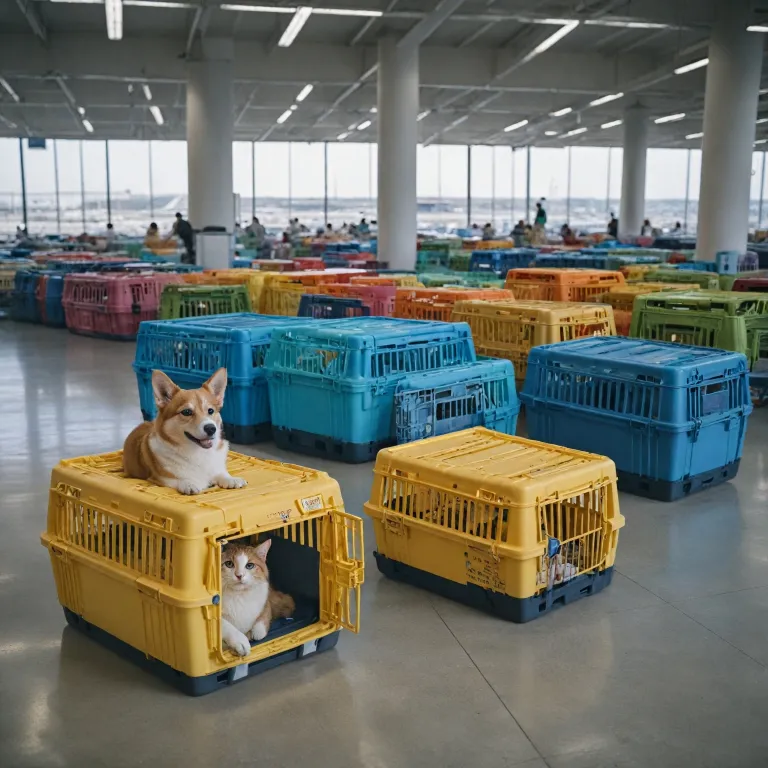
Ensuring pet safety: Why crate size requirements matter for air travel
Traveling with pets, whether dogs, cats, or other animals, requires meticulous planning and a deep understanding of pet travel crate size requirements. Airlines and regulatory bodies such as the International Air Transport Association (IATA) have established strict guidelines to ensure the safety and comfort of animals during air travel. Selecting the right crate size is not just a formality; it is a critical aspect of pet travel that directly impacts your animal’s well-being. A crate that is too small can cause distress, while one that is too large may not provide the security needed during a flight. For air travel, the crate must allow your pet to stand, turn around, and lie down comfortably. This applies to all pets, including dogs, cats, puppies, and kittens. The requirements are even more stringent for live animal transport, especially for high risk breeds or service animals. Airlines often have specific rules for pet kennel dimensions, and these can vary between carriers. It is essential to check with your chosen airline before booking your flight to ensure compliance with their pet travel crate size requirements. The crate’s construction is equally important. It must be leak proof, well-ventilated (with at least 16 percent ventilation area as per IATA), and secure. For in-cabin travel, soft sided pet carriers may be permitted, but for cargo, a rigid crate is mandatory. Feeding and watering containers must be attached inside the kennel, and food water instructions should be clearly visible. By adhering to these requirements, pet owners can help ensure a safe, comfortable journey for their animals, whether traveling within the United States or internationally.Measuring your pet: Accurate sizing for optimal comfort and compliance
Accurately measuring your pet is the foundation of meeting pet travel crate size requirements. The process involves measuring the length of your pet from the tip of the nose to the base of the tail, the height from the ground to the top of the head or ears, and the width across the shoulders. Add extra space to each measurement to ensure comfort. This approach applies to all pets, including dogs, cats, and even puppies kittens. A crate that meets these requirements allows your pet to stand, turn, and lie down naturally. The importance of these measurements cannot be overstated, as airlines may refuse boarding if the crate is deemed too small or unsafe. For dogs cats traveling together, ensure the crate is large enough for both animals to move freely. When selecting a pet carrier for in-cabin travel, check the airline’s maximum allowable crate height, which can be as specific as 30 inches for certain airlines. Soft sided carriers are generally acceptable for in-cabin travel, provided they fit under the seat and meet the airline’s requirements. For cargo, a rigid, leak proof crate is mandatory. Always check the airline’s pet travel policies before your journey. For more detailed guidance on measuring and selecting the right crate, refer to this comprehensive resource on pet travel crate size requirements.Choosing the right crate: Materials, ventilation, and security features
Selecting a suitable crate involves more than just size. The materials and features of the crate play a crucial role in ensuring your pet’s safety during air travel. Crates should be constructed from rigid plastic, metal, or wood, providing durability and security. Soft sided carriers are only suitable for in-cabin travel and must still meet airline specifications for size and structure. Ventilation is a key requirement, with IATA regulations mandating a minimum of 16 percent ventilation area for pet travel crates. This ensures adequate airflow, reducing stress and maintaining your animal’s comfort. The crate must also be leak proof to prevent spills and maintain hygiene throughout the flight. Secure locking mechanisms are essential to prevent accidental openings during transit. Feeding watering containers must be attached inside the kennel, and clear instructions for food water must be visible. For high risk animals or service animals, additional requirements may apply, such as reinforced doors or extra ventilation. When transporting live animal cargo, always check the airline’s specific guidelines. For more information on crate features and airline policies, consult this authoritative guide on pet travel crate requirements.Preparing your pet for travel: Acclimation and health certification
Acclimating your pet to the travel crate is essential for reducing anxiety and ensuring a smooth journey. Begin by introducing your pet to the crate well in advance of your travel date. Use positive reinforcement, such as treats and praise, to encourage your pet to spend time inside the crate. Gradually increase the duration your pet stays in the crate, allowing them to become comfortable with the environment. A health certificate from a veterinarian is often required for air travel, especially for international flights or when transporting animals within the United States. This certificate confirms that your pet is fit for travel and up to date on vaccinations. For puppies kittens and high risk breeds, additional documentation may be necessary. Always check the airline’s requirements for health certificates and other documentation before your trip. Attach clear identification and contact information to the crate, including your pet’s name, your contact details, and any special instructions for feeding watering. For service animals and live animal shipments, airlines may have specific protocols for check in and handling.Navigating airline policies: Fees, restrictions, and special considerations
Airlines have varying policies regarding pet travel, including fees, crate size requirements, and restrictions on certain breeds or species. It is crucial to check the airline’s pet travel policies before booking your flight. Some airlines allow small pets to travel in the cabin if they fit under the seat in an approved pet carrier, while others require pets to be transported in the cargo hold in a rigid, leak proof crate. Fees for pet travel can vary significantly between airlines and may depend on the size and weight of your pet and crate. For dogs cats traveling together, some airlines permit shared crates if the animals are of similar size and compatible. Service animals are generally exempt from standard pet travel fees, but specific documentation and crate requirements still apply. Always check the airline’s policies regarding feeding watering during layovers or long flights. For high risk breeds or live animal shipments, airlines may impose additional restrictions or require reinforced crates. The use of adjustable and expandable pet travel crates is becoming more common, allowing for greater flexibility in accommodating various animal sizes. For the latest updates on airline policies and fees, refer to the official airline websites and regulatory bodies such as IATA.Expert advice and best practices for stress-free pet travel
Expert guidance is invaluable when navigating the complexities of pet travel crate size requirements. Veterinarians can provide health certificates and advice on preparing your animal for air travel. Pet travel agencies offer logistical support, helping you select the right crate and manage documentation. Airlines are responsible for enforcing crate requirements and ensuring the safety of all animals on board. As stated in the dataset, "Measure the length from the tip of the nose to the base of the tail, the height from the ground to the top of the head or ears, and the width across the shoulders. Add extra space to each measurement to ensure comfort." Additionally, "Some airlines allow small pets to travel in the cabin if they fit under the seat in an airline-approved carrier. Policies vary by airline, so check with your carrier for specific requirements." Another important point: "Soft-sided carriers are generally acceptable for in-cabin travel but not for cargo hold transport. Ensure the carrier meets airline size and construction requirements." Finally, "Crates should be made of rigid plastic, metal, or wood. They must be sturdy, well-ventilated, and have a secure locking mechanism." To further reduce stress, acclimate your pet to the crate gradually and ensure all documentation is in order. Attach clear identification to the crate and provide detailed food water instructions for the journey. By following these best practices and consulting with experts, pet owners can ensure a safe, comfortable, and compliant travel experience for their pets.Key statistics on pet travel crate requirements and airline regulations
- Minimum ventilation area required for pet travel crates: 16 percent (IATA Live Animals Regulations).
- Maximum allowable crate height for certain airlines: 76 centimeters (30 inches) (Air Canada Cargo Pet Travel Guidelines).
Frequently asked questions about pet travel crate size requirements
How do I measure my pet for a travel crate?
Measure the length from the tip of the nose to the base of the tail, the height from the ground to the top of the head or ears, and the width across the shoulders. Add extra space to each measurement to ensure comfort.
Can my pet travel in the cabin with me?
Some airlines allow small pets to travel in the cabin if they fit under the seat in an airline-approved carrier. Policies vary by airline, so check with your carrier for specific requirements.
Are soft-sided carriers acceptable for air travel?
Soft-sided carriers are generally acceptable for in-cabin travel but not for cargo hold transport. Ensure the carrier meets airline size and construction requirements.