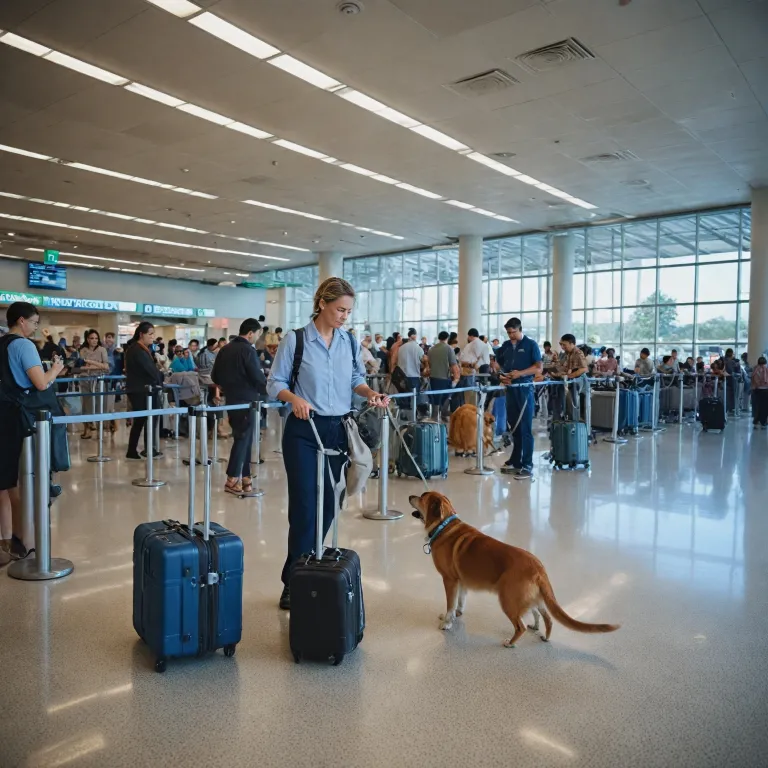
Comprehensive overview of pet travel policies by airline
Pet travel policies by airline have evolved to address the increasing number of passengers traveling with pets. Airlines recognize the importance of ensuring the safety and comfort of animals during flights, whether pets are in the cabin or transported as cargo. Each airline sets its own requirements for pets allowed in the cabin, cargo, or as trained service animals. These requirements often include restrictions on the size and breed of dogs and cats, as well as the type of carrier—soft sided carriers are commonly required for cabin pets. Airlines allow only a limited number of pets per flight, so booking early is essential. The policies also specify which animals are allowed cabin access and which must travel in the cargo cabin. For international travel, additional entry requirements such as rabies vaccination and a health certificate are mandatory. The U.S. Department of Transportation (DOT) and USDA APHIS provide regulatory oversight, ensuring that airline pet travel policies meet safety standards. Pet owners must check with their chosen airline for the latest requirements, as policies can change frequently. Some airlines allow emotional support animals and service animals to fly free, but documentation is required. The process of flying pet companions involves careful planning, from securing the correct carrier to obtaining the necessary health certificate. Airlines like Frontier and others in the United States have specific guidelines for pets allowed in the cabin and cargo. Understanding these distinctions is crucial for a smooth journey.
Key requirements and documentation for flying with pets
Before traveling, pet owners must ensure they meet all airline pet travel requirements. Most airlines require a recent health certificate from a veterinarian, confirming that the pet is fit to fly and up to date on vaccinations, including rabies. The health certificate is often required for both domestic and international travel, and the timeframe for validity varies by airline. For international travel, additional documentation may be necessary, such as import permits or proof of microchipping, depending on the destination's entry requirements. Airlines allow only certain animals in the cabin, typically small dogs and cats that fit comfortably in a soft sided carrier under the seat. Larger pets must travel in the cargo cabin, where specific regulations apply regarding carrier size, ventilation, and temperature control. Service animals and trained service animals have distinct policies, often allowing them to accompany their owners in the cabin without additional fees. Emotional support animals may have different requirements, and not all airlines allow them to fly free. It is essential to check each airline's policy on service animals and emotional support animals before booking. The USDA APHIS website provides comprehensive information on health certificates and international travel requirements. For those planning to travel with pets, reviewing the airline pet policy is a critical step. For more details on documentation and regulations, refer to official airline pet policy resources.
Preparing your pet for air travel: comfort and safety tips
Proper preparation is key to ensuring a safe and comfortable journey for pets. Acclimating your pet to its soft sided carrier before the flight can reduce anxiety and stress. Airlines recommend that pets travel on an empty stomach to minimize the risk of motion sickness. Cabin pets should be familiar with their carrier, as they will spend several hours inside during the flight. For pets traveling in the cargo cabin, it is important to choose a well-ventilated, sturdy carrier that meets airline requirements. Check with the airline regarding temperature restrictions and seasonal embargoes, as some airlines do not allow pets in cargo during extreme weather. Airlines allow only a certain number of pets per flight, so early booking is advised. Service animals and trained service animals must be well-behaved and under control at all times. The airline pet travel process also involves checking for breed restrictions, as some airlines do not allow certain breeds due to health risks. For those flying pet companions internationally, understanding the entry requirements and obtaining the necessary health certificate is crucial. The USDA APHIS provides guidelines for international travel with pets.
Comparing pet travel policies by major airlines
Each airline has unique pet travel policies, affecting how pets, service animals, and emotional support animals are accommodated. Airlines allow different numbers of cabin pets per flight, and fees for in-cabin travel range from €90 to €190, depending on the airline. Cargo fees are typically higher and are based on the size and weight of the pet. Airlines like Frontier, United, and others in the United States have specific rules for pets allowed in the cabin and cargo. Not all airlines allow emotional support animals to fly free, and documentation requirements vary. Some airlines have introduced specialized programs, such as enhanced tracking systems for pets traveling in the cargo cabin. The policies for international travel are often more stringent, with additional entry requirements and health documentation needed. Airlines allow only certain animals in the cabin, and restrictions apply to breeds, especially for dogs and cats with respiratory issues. It is essential to check the airline pet policy before booking to avoid surprises at the airport. The U.S. Department of Transportation provides resources for comparing airline pet travel policies. For travelers seeking a comprehensive overview of airline pet policies, reviewing official airline websites is recommended.
Understanding service animals, emotional support animals, and their travel rights
The distinction between service animals, emotional support animals, and pets is significant in airline pet travel policies. Service animals, including trained service dogs, are allowed in the cabin with their owners and are not subject to the same fees as pets. Airlines require documentation verifying the animal's training and role. Emotional support animals are treated differently; not all airlines allow them to fly free, and some have eliminated this category altogether. The requirements for service animals include proof of training and behavior, as well as a health certificate. Airlines allow only certain types of animals as service animals, typically dogs. For international travel, additional entry requirements may apply, and the USDA APHIS provides guidance on documentation. Cabin pets and service animals must remain under control and in their designated area throughout the flight. Airlines allow only a limited number of animals in the cabin, so early booking is essential. The policies for pets, service animals, and emotional support animals are designed to ensure the safety and comfort of all passengers. For more information on the rights of service animals and emotional support animals, consult the U.S. Department of Transportation guidelines.
Expert advice and best practices for a seamless pet travel experience
Expert advice emphasizes the importance of preparation and compliance with airline pet travel policies. "Requirements vary by airline but generally include a health certificate from a veterinarian, an appropriate carrier, and payment of applicable fees. It's essential to check the specific airline's policy before traveling." Not all pets are allowed in the cabin. "Most airlines permit small dogs and cats that can fit in an approved carrier under the seat. Larger pets typically need to travel as cargo." Breed restrictions are common, especially for brachycephalic breeds, so always verify with the airline. Documentation is crucial: "Yes, most airlines require a health certificate issued by a veterinarian within a specific timeframe before travel. Vaccination records may also be necessary." Fees for in-cabin travel vary, and cargo fees depend on the pet's size and weight. The U.S. Department of Transportation and USDA APHIS are valuable resources for understanding airline pet travel policies. Booking early, acclimating your pet to its carrier, and ensuring all documentation is in order are best practices for a smooth journey. For those traveling with pets, staying informed about airline pet policies is essential for a positive experience.
Key statistics on pet travel by airline
- Number of pets transported by air: 161,000 pets
- Pet travel incidents reported: 13 incidents
- Pet travel incident rate: 0.008%
Frequently asked questions about pet travel policies by airline
What are the general requirements for flying with a pet?
Requirements vary by airline but generally include a health certificate from a veterinarian, an appropriate carrier, and payment of applicable fees. It's essential to check the specific airline's policy before traveling.
Can all pets travel in the cabin with me?
Not all pets are allowed in the cabin. Most airlines permit small dogs and cats that can fit in an approved carrier under the seat. Larger pets typically need to travel as cargo.
Are there breed restrictions for pet travel?
Some airlines have restrictions on certain breeds, especially brachycephalic (short-nosed) breeds, due to health risks. Always verify with the airline before booking.