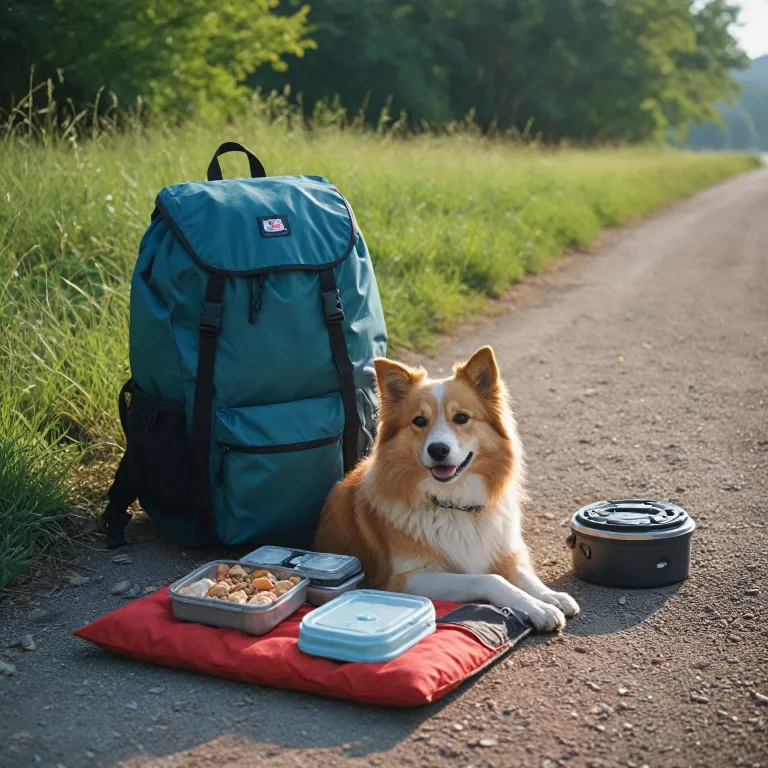
Understanding the essentials: Building your pet travel packing list
Traveling with pets requires meticulous preparation to ensure their safety and comfort. When considering what to pack for pet travel, pet owners must focus on both the essentials and the unique needs of their dogs or other animals. Begin by preparing a comprehensive packing list that includes high quality food, water, and familiar items to help reduce stress during the trip. A sturdy leash, collapsible bowls for food and water, and a comfortable carrier are vital travel essentials for any journey, whether by car or air travel. Include a pet first aid kit with basic medical supplies, as well as your pet’s health certificate and vaccination records. These items are not only practical but often required for air travel; always check airline policies in advance. Packing your dog’s favorite toy or blanket can help keep your dog calm and provide a sense of security. Remember, keeping your dog’s routine as normal as possible is key to a stress-free trip. Pet travel checklists are invaluable tools for ensuring nothing is forgotten. Many pet travel services and agencies offer downloadable packing lists tailored to different types of travel, such as road trips or international flights. When planning your trip, consider the climate and duration, and adjust your packing list accordingly. For longer journeys, pack extra dog food and water to ensure your pet remains hydrated and well-fed.Health, safety, and documentation: Preparing for a seamless journey
Before embarking on your trip, consult with veterinarians to obtain necessary health certificates and travel advice. "Typically, a health certificate from a veterinarian and proof of vaccinations are required. Requirements may vary by destination." This quote highlights the importance of documentation for pet travel, especially when crossing borders or flying. Always keep these documents accessible in your travel essentials kit. In addition to paperwork, pack an aid kit specifically for your pet. Include items such as bandages, antiseptic wipes, tweezers, and any prescribed medications. For dogs prone to motion sickness or anxiety, discuss with your veterinarian about suitable remedies or calming products. When traveling by car, ensure your pet is secured in a well-ventilated carrier or with a safety harness. For air travel, check airline requirements for carrier dimensions and pet policies. "Yes, airlines have specific policies regarding pet travel, including carrier size requirements and health documentation. It's important to check with the airline in advance." This guidance is crucial for a smooth travel experience.Food, water, and nutrition: Keeping your pet nourished on the go
Proper nutrition is a cornerstone of pet travel. Always pack enough high quality dog food and water for the entire duration of your trip, plus extra in case of delays. Use airtight containers to keep food fresh and prevent spills. Collapsible bowls are lightweight and convenient for feeding during stops. When considering what to pack for pet travel, do not overlook treats and familiar food items. These can help keep your dog or cat comfortable and reduce stress in unfamiliar environments. If your pet has dietary restrictions, research pet-friendly stores or veterinary clinics at your destination in advance. For road trips, plan regular stops to allow your pet to eat, drink, and stretch. During air travel, feed your pet a small meal a few hours before departure and avoid overfeeding to prevent discomfort. "Bring familiar items like their favorite blanket or toy, ensure they have enough space in their carrier, and take regular breaks during the journey." This advice is essential for keeping your dog or cat healthy and happy throughout the trip.Comfort and stress reduction: Familiar items and routines
Stress can affect pets during travel, making comfort a top priority. Packing familiar items such as your dog’s favorite toy, blanket, or bed can help keep your dog calm and provide a sense of normalcy. These items are especially important for long trips or when staying in unfamiliar accommodations. Maintain your pet’s routine as much as possible, including feeding times, walks, and play sessions. This consistency helps reduce anxiety and keeps your pet relaxed. For air travel, acclimate your pet to their carrier well in advance by allowing them to spend time inside it at home. When creating your packing list, include items that help with stress reduction, such as calming sprays or anxiety wraps. If your pet is particularly anxious, consult your veterinarian for additional recommendations.Transportation modes: Packing for car, air, and road trips
Different modes of travel require specific preparations. For car travel, ensure your pet is safely secured and has access to water and ventilation. A travel dog harness or crate is essential for safety. For road trips, pack extra food, water, and waste bags, and plan for frequent stops to allow your pet to relieve themselves and stretch. For air travel, check airline requirements for pet carriers, documentation, and fees. "Yes, airlines have specific policies regarding pet travel, including carrier size requirements and health documentation. It's important to check with the airline in advance." This quote underscores the need to check airline policies before booking. Include your pet’s essentials in your carry-on, such as food, water, and familiar items, to keep your dog comfortable during the flight. When traveling internationally, research pet import regulations and quarantine requirements. Some destinations require advance notice or additional documentation. Always keep a recent photo of your pet in case they get lost during the trip.Final travel checklist: Ensuring nothing is left behind
A well-organized packing list is the foundation of successful pet travel. Review your travel checklist before departure to ensure all essentials are packed. Include high quality dog food, water, a sturdy leash, identification tags, health certificates, and an aid kit. Double-check that you have packed familiar items, such as toys and blankets, to help keep your dog calm. For air travel, confirm carrier requirements and documentation with your airline. For road trips, plan your route with pet-friendly stops and accommodations. Pet travel services and agencies often provide helpful resources and checklists tailored to different types of trips. By following these guidelines and using a comprehensive packing list, you can ensure a safe, comfortable, and enjoyable journey for both you and your pet.Key statistics on pet travel and packing essentials
- 37% of pet owners travel with their pets annually (American Pet Products Association).
- There are 15,000 pet-friendly hotels in the United States (American Hotel & Lodging Association).
Frequently asked questions about what to pack for pet travel
What documents are required for traveling with a pet?
Typically, a health certificate from a veterinarian and proof of vaccinations are required. Requirements may vary by destination.
How can I ensure my pet's comfort during travel?
Bring familiar items like their favorite blanket or toy, ensure they have enough space in their carrier, and take regular breaks during the journey.
Are there specific regulations for flying with pets?
Yes, airlines have specific policies regarding pet travel, including carrier size requirements and health documentation. It's important to check with the airline in advance.
References: American Pet Products Association, American Hotel & Lodging Association, Local veterinary clinics.