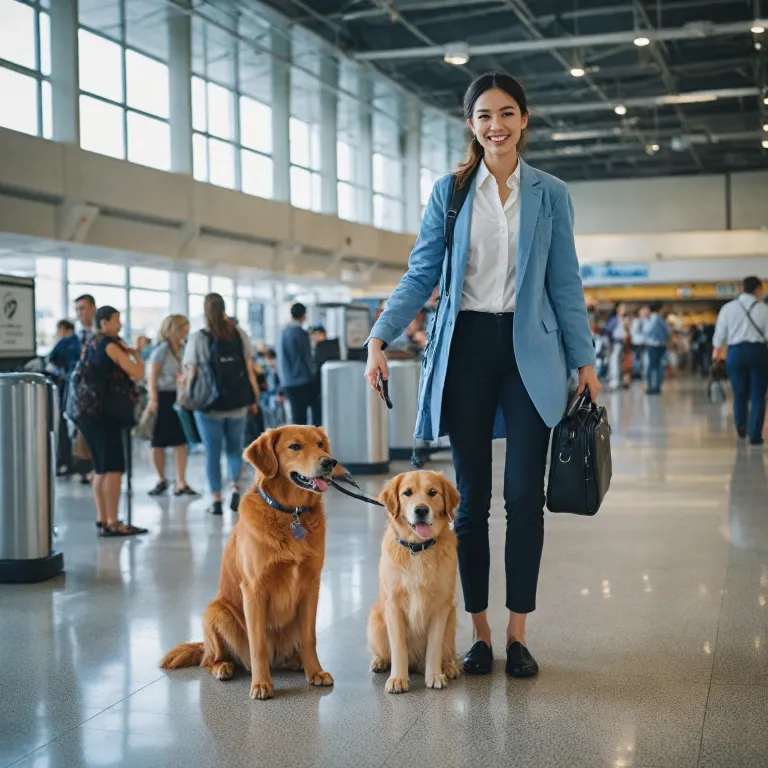
Understanding pet travel requirements and airline policies
Traveling with pets requires careful planning and a thorough understanding of airline requirements. Each airline has its own pet policy, which details the types of animals allowed, the conditions for travel, and the specific requirements for carriers, kennel size, and weight limits. For pet owners, it is essential to review these requirements before booking a flight, as airlines allow only a limited number of pets in the cabin per flight. The pet carrier must comply with the airline’s dimensions and fit comfortably under the seat in front of you, ensuring your pet’s safety and comfort throughout the journey.
Most airlines allow small dogs and cats in the cabin, provided they meet weight and size restrictions. For example, American Airlines, Delta Air Lines, Alaska Airlines, and Southwest Airlines all permit pets in the cabin, but their pet policy and fees differ. American Airlines charges a pet travel fee of 150 USD, while Delta Air Lines charges 95 USD, Alaska Airlines 100 USD, and Southwest Airlines 125 USD. These fees are per segment, so pet owners should factor this into their travel budget. It is also important to check the airline’s requirements for health and vaccination records, as these are mandatory for both domestic and international pet travel.
Some airlines offer cargo transport for larger animals or for pets that do not meet the cabin requirements. Alaska Airlines and Delta Air Lines provide cargo options, ensuring that even larger dogs or multiple pets can travel safely. When considering checked pets, pet owners must ensure the kennel meets the airline’s specifications and that the animal is comfortable for the duration of the flight. Always book pet travel in advance, as space for pets cabin is limited and demand is high, especially during peak travel periods.
Comparing the best airlines for pets: services, fees, and pet-friendly programs
Choosing the best airlines for pets involves comparing services, fees, and pet-friendly programs across carriers. Alaska Airlines is known for its Pet Connect service, which offers both in-cabin and cargo options for pet travel. American Airlines provides the PetEmbark program, allowing pets in the cabin and as checked baggage or cargo, depending on the animal’s size and weight. Delta Air Lines is frequently recognized for its comprehensive pet policy and was recently ranked as the best airline for pets in a major survey. Southwest Airlines focuses on in-cabin travel for small dogs and cats, making it a popular choice for short domestic flights.
Each airline has specific requirements for pet carriers, kennel dimensions, and maximum weight. For instance, the combined weight of the pet and carrier must not exceed the airline’s limit, typically around 8 kg for cabin travel. Service animals and service dogs are subject to different regulations, with most airlines allowing them to fly in the cabin free of charge, provided they meet documentation and behavior standards. Pet owners should familiarize themselves with the airline’s pet policy, including any restrictions on breeds, routes, or seasonal embargoes for checked pets.
Fees for pet travel can add up, especially for long journeys or multiple segments. In addition to the standard pet fees, some airlines may charge extra for checked baggage or for transporting animals as cargo. It is advisable to compare the total cost of pet travel across airlines, taking into account the services offered and the comfort of your pet.
Preparing your pet for air travel: tips for a smooth journey
Preparation is key to ensuring a safe and comfortable flight for your pet. Begin by acclimating your pet to its carrier or kennel well before the travel date. The carrier should be well-ventilated, secure, and large enough for your pet to stand, turn around, and lie down comfortably. Airlines allow only approved pet carriers in the cabin, so check the airline’s requirements for dimensions and materials. For checked pets, the kennel must meet additional safety standards, including secure latches and leak-proof bottoms.
Before the flight, schedule a visit to your veterinarian to confirm your pet’s health and obtain any required vaccination records. Most airlines require a health certificate issued within a specific timeframe before travel. Feeding your pet a light meal a few hours before departure can help prevent discomfort during the flight. Avoid sedating your pet unless specifically recommended by your veterinarian, as sedation can pose risks at altitude.
On the day of travel, arrive at the airport early to allow ample time for check-in and security procedures. Keep your pet calm and reassured, and provide familiar items such as a favorite toy or blanket in the carrier. Remember, airlines allow only a limited number of pets cabin, so booking early is essential for a stress-free experience.
Navigating in-cabin and checked pet travel: what pet owners need to know
Understanding the differences between in-cabin and checked pet travel is crucial for pet owners. In-cabin travel is typically reserved for small pets that fit comfortably in an airline-approved carrier under the seat. This option allows pet owners to keep their animals close throughout the flight, reducing stress for both pet and owner. Airlines allow only a certain number of pets cabin per flight, so early booking is recommended. The pet carrier must remain closed at all times during the flight, and the animal must stay inside the carrier.
For larger pets or those that do not meet in-cabin requirements, airlines offer checked baggage or cargo transport options. Checked pets travel in the cargo hold, which is pressurized and temperature-controlled to ensure animal safety. The kennel must meet strict airline requirements for size, ventilation, and security. Pet owners should label the kennel with their contact information and provide clear instructions for feeding and care during the journey.
Service animals and service dogs are generally allowed to fly in the cabin at no additional charge, provided they meet the airline’s documentation and behavior requirements. "Many major U.S. airlines, including Alaska Airlines, American Airlines, Delta Air Lines, and Southwest Airlines, allow small pets in the cabin. Policies and fees vary by airline." This quote highlights the importance of reviewing each airline’s pet policy before booking.
Pet carrier selection, kennel standards, and animal welfare during flights
Choosing the right pet carrier or kennel is essential for your animal’s safety and comfort during air travel. Airlines have strict requirements regarding carrier size, weight, and construction. The carrier must be well-ventilated, escape-proof, and fit under the seat for in-cabin travel. For checked pets, the kennel must be large enough for the animal to move comfortably and must meet international standards for animal welfare.
Pet owners should ensure the carrier is labeled with the pet’s name, owner’s contact information, and any special instructions. Soft-sided carriers are often preferred for cabin travel, while hard-sided kennels are required for checked baggage or cargo. The combined weight of the pet and carrier must not exceed the airline’s limit, which varies by carrier. Always check the airline’s pet policy for specific requirements and restrictions.
Animal welfare is a top priority for airlines, with many carriers offering pet-friendly programs and dedicated staff to assist with pet travel. Some airlines provide updates on your pet’s status during the flight, giving pet owners peace of mind. For those traveling with service animals or service dogs, airlines offer additional support to ensure a smooth journey. "Pet travel fees vary by airline. For example, Delta Air Lines charges $95, American Airlines charges $150, Alaska Airlines charges $100, and Southwest Airlines charges $125 for in-cabin pet travel." This quote underscores the importance of budgeting for pet fees when planning your trip.
Emerging trends in pet-friendly air travel and future considerations
The demand for pet-friendly travel options continues to grow, prompting airlines to innovate and enhance their pet travel programs. Recent developments include the introduction of luxury pet-only flights, such as those offered by Bark Air, catering exclusively to dogs and their owners. Enhanced pet travel programs by major airlines have improved the overall experience for pet owners, with more flexible policies and better support for animals in transit.
Airlines are increasingly recognizing the importance of accommodating service animals and service dogs, ensuring compliance with legal requirements and prioritizing animal welfare. Pet owners should stay informed about changes in airline policies, as updates can affect travel plans and requirements. For example, American Airlines recently updated its pet policy to allow passengers to bring a pet and a full-size carry-on bag into the cabin, providing greater convenience for travelers.
As airlines continue to adapt to the needs of pet owners, it is essential to review the latest pet policy and requirements before booking. The best airlines for pets are those that prioritize animal welfare, offer transparent fees, and provide a range of options for both in-cabin and checked pets. By staying informed and prepared, pet owners can ensure a safe and enjoyable travel experience for their animals.
Key statistics on pet travel and airline policies
- Delta Air Lines charges 95 USD for in-cabin pet travel, American Airlines charges 150 USD, Alaska Airlines charges 100 USD, and Southwest Airlines charges 125 USD.
- Recent updates include American Airlines allowing a full-size carry-on bag with a pet in the cabin.
- Delta Air Lines was ranked as the best airline for pets in a recent survey.
- Major U.S. airlines allow small pets in the cabin, but space is limited and fees vary.
Frequently asked questions about pet travel on airlines
Which airlines allow pets in the cabin?
Many major U.S. airlines, including Alaska Airlines, American Airlines, Delta Air Lines, and Southwest Airlines, allow small pets in the cabin. Policies and fees vary by airline.
What are the typical fees for flying with a pet?
Pet travel fees vary by airline. For example, Delta Air Lines charges $95, American Airlines charges $150, Alaska Airlines charges $100, and Southwest Airlines charges $125 for in-cabin pet travel.
Are there airlines that offer cargo transport for pets?
Yes, airlines like Alaska Airlines and Delta Air Lines offer cargo transport options for larger pets that cannot travel in the cabin.