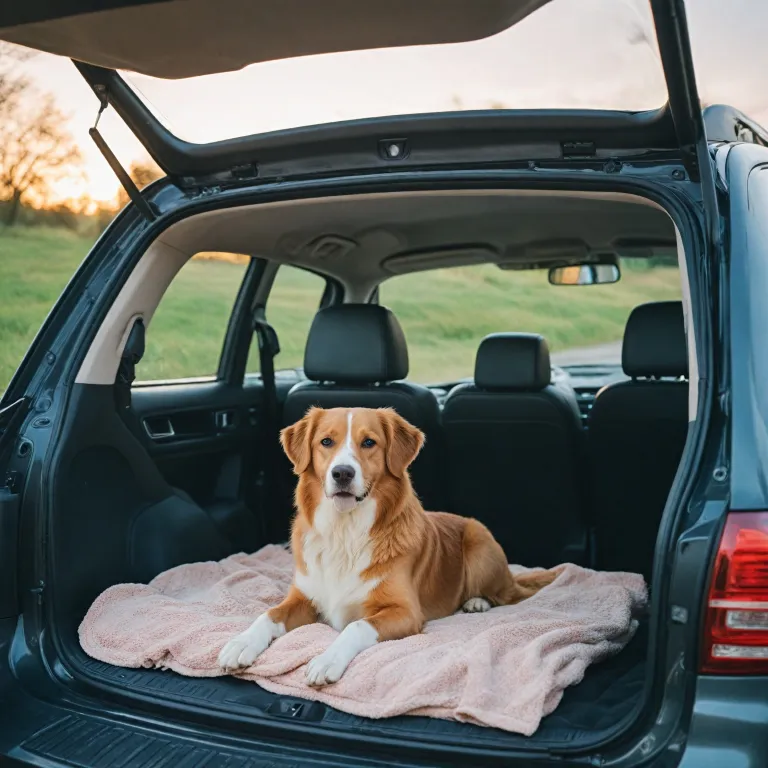
Planning your road trip with pets: essential steps for a smooth journey
Embarking on a road trip with pets requires thoughtful preparation to ensure both safety and enjoyment. Begin by scheduling a veterinary checkup to confirm your pet is healthy and vaccinations are current. This step is vital for dogs, cats, and other pets, as it helps prevent health issues during travel. Gradually acclimate your pet to car travel by taking short drives, allowing them to become familiar with the vehicle environment. This process will help reduce anxiety and make future trips with your pet more comfortable.
Pack a comprehensive travel kit for your trip with pets, including food, water, bowls, leash, waste bags, grooming supplies, medications, and a first-aid kit. Ensuring you have these essentials will help you respond to any situation that may arise on the road. Identification tags and microchip information must be up to date, as this will help reunite you with your pet should you become separated. Research pet-friendly accommodations and destinations in advance, as not all places are welcoming to pets. This planning will help you avoid last-minute stress and ensure a friendly road experience for everyone involved.
When preparing for cross country road trips, consider the specific needs of your dog or other pets. Use a well-ventilated crate or carrier secured in the car to prevent movement during sudden stops. Harnesses and seat belts designed for dogs and other pets are also effective in keeping them safe. Never leave your pet alone in a parked vehicle, as temperatures can rise quickly, putting your pet at risk. By following these road trip with pets advice, you set the stage for a safe and enjoyable adventure with your furry companions.
Ensuring comfort and safety for your pet during car travel
Comfort and safety are paramount when traveling with pets by car. Use a crate or carrier that allows your dog or other pets to stand, turn, and lie down comfortably. Secure the crate in the back seat or cargo area to prevent it from shifting during sudden stops. For those traveling with dogs, dog car harnesses are an excellent alternative, providing both restraint and comfort. Frequent stops are essential; plan to stop every 2-3 hours to allow your pet to exercise, hydrate, and relieve themselves. This routine will help keep your pet comfortable and reduce restlessness during long road trips.
Maintain a calm environment in the car by playing soothing music at a low volume. This can help reduce anxiety for pets, especially during extended trips with dogs or other animals. Avoid feeding your pet in a moving vehicle to prevent motion sickness; instead, offer a light meal 3-4 hours before departure. Water should be available at all times, especially during warm weather or cross country journeys. If your pet is prone to car sickness, consult your veterinarian for advice. They may recommend medications or strategies to help keep your pet comfortable throughout the trip.
Pet-friendly travel apps and GPS devices can help you locate suitable rest stops and accommodations along your route. These tools are invaluable for planning frequent stops and ensuring you always have access to dog friendly or pet friendly facilities. By prioritizing your pet’s comfort and safety, you create a positive travel experience for both you and your furry companions.
Choosing the best routes and rest stops for a pet-friendly road trip
Selecting the right route is crucial for a successful road trip with pets. Opt for country roads or highways with frequent rest stops, as these provide opportunities for your dog or other pets to stretch, hydrate, and relieve themselves. When planning your trip, use pet-friendly travel apps to identify rest stops and accommodations that welcome pets. This approach will help you avoid unnecessary stress and ensure your pet’s needs are met throughout the journey.
During long trips with pets, frequent stops are essential. Plan your route to include rest stops every 2-3 hours, allowing your pet to exercise and take bathroom breaks. This routine will help keep your dog or other pets comfortable and prevent behavioral issues caused by extended confinement. When stopping, always keep your pet on a leash and never leave them unattended. This practice ensures their safety and the safety of others at the rest stop.
Look for dog friendly parks or pet friendly areas along your route where your pet can play and burn off energy. These stops will help break up the monotony of the road and make the trip more enjoyable for everyone. By choosing the best routes and rest stops, you ensure a smooth and enjoyable road trip with pets.
Managing your pet’s well-being and behavior on the road
Maintaining your pet’s well-being during a road trip requires attention to their physical and emotional needs. Bring familiar items such as their bed, blanket, or favorite toy to create a sense of security in the car. This will help reduce anxiety and make your pet feel at home, even during cross country trips. Gradually acclimate your pet to the car environment before the trip, as this will help them adjust to the new experience.
Monitor your pet’s behavior throughout the journey. Signs of stress or discomfort, such as excessive panting, whining, or restlessness, should be addressed promptly. Offer water regularly and ensure your pet has access to shade and ventilation, especially during warm weather. If your pet becomes anxious, take a break and allow them to calm down before continuing the trip. For dogs, frequent stops to exercise and explore new surroundings will help keep them engaged and happy.
It is important to keep your pet restrained at all times during the trip. Unrestrained pets can become a distraction and increase the risk of injury in the event of an accident. According to the AAA Auto Club, 37% of pet owners do not restrain their pets in the car, and 13% are distracted by their pets while driving. Using appropriate restraints, such as dog car harnesses or secured crates, will help keep everyone safe.
Emergency preparedness and health considerations for road trips with pets
Being prepared for emergencies is a key aspect of road trip with pets advice. Pack a first-aid kit tailored to your pet’s needs, including bandages, antiseptic wipes, tweezers, and any medications your pet may require. Keep your veterinarian’s contact information and a list of emergency veterinary clinics along your route. This preparation will help you respond quickly to any health issues that may arise during the trip.
Before embarking on your journey, ensure your pet’s vaccinations are up to date and carry copies of their medical records. This documentation may be required if you need to visit a veterinarian while traveling. If your pet has a chronic condition or requires medication, pack enough for the entire trip plus a few extra days. Monitor your pet for signs of illness or distress, such as vomiting, diarrhea, or lethargy, and seek veterinary care if necessary.
Never leave your pet alone in a parked car, as temperatures can rise rapidly and pose a serious risk to their health. Plan for frequent stops to check on your pet’s well-being and provide water and shade as needed. By prioritizing emergency preparedness and health considerations, you ensure a safe and enjoyable road trip for both you and your pets.
Expert tips and real-world advice for successful trips with pets
Drawing on the expertise of organizations such as ASPCA, Briggs & Riley, and DoveLewis, successful road trips with pets are built on preparation and awareness. Utilize pet-friendly travel apps and GPS devices to locate suitable stops and accommodations, ensuring a friendly road experience for your dog or other pets. When planning your trip, remember to check the regulations of the states you’ll be traveling through, as laws regarding pets in cars can vary.
One of the most effective ways to keep your pet comfortable is to maintain a consistent routine. Feed your pet at the same times each day and provide regular opportunities for exercise and bathroom breaks. For those traveling with dogs, dog friendly parks and rest stops are ideal for letting your pet burn off energy and socialize with other animals. If you are planning a cross country road trip, consider breaking the journey into shorter segments to reduce stress for both you and your pet.
Incorporate the following expert advice into your travel plans: “Gradually acclimate your pet to car travel by taking short drives before the trip, and create a comfortable space in the car with familiar items like their bed or favorite toy.” “Sedation is generally not recommended unless prescribed by a veterinarian, as it can have side effects and may not be safe for all pets.” “Consult your veterinarian for advice; they may recommend medications or strategies to reduce motion sickness, such as keeping the car cool and well-ventilated.” “Laws vary by state; some require pets to be restrained in vehicles. It's important to check the regulations of the states you'll be traveling through.” “Plan to stop every 2-3 hours to allow your pet to exercise, hydrate, and relieve themselves.” These insights will help you navigate the challenges of road trips with pets and ensure a positive experience for all.
Innovations and trends in pet-friendly travel for the modern road trip
The landscape of pet-friendly travel is evolving, with new products and services designed to enhance the road trip experience for pets and their owners. Pet-specific travel accessories, such as collapsible water bowls, portable litter boxes, and dog car harnesses, make it easier to keep your pet comfortable and safe on the road. The increasing availability of pet-friendly accommodations and destinations means you have more options than ever when planning your trip with pets.
Technology plays a significant role in modern road trips with pets. Mobile apps and GPS devices help you locate dog friendly parks, pet friendly hotels, and rest stops along your route. These tools are invaluable for planning frequent stops and ensuring your pet’s needs are met throughout the journey. Social media and online communities also provide a wealth of information and support for pet owners planning road trips, allowing you to connect with others who share your passion for traveling with pets.
As awareness of pet safety during travel grows, more pet owners are taking steps to ensure their pets are properly restrained and cared for on the road. This trend is reflected in the development of innovative products and the growing number of pet-friendly services available. By staying informed about the latest trends and innovations, you can make the most of your road trip with pets and create lasting memories with your furry companions.
Key statistics on road trips with pets
- 38% of pet owners take their pets on vacation.
- 37% of pet owners do not restrain their pets in the car.
- 13% of pet owners are distracted by their pets while driving.
Frequently asked questions about road trips with pets
How can I prevent my pet from getting anxious during a road trip?
Gradually acclimate your pet to car travel by taking short drives before the trip, and create a comfortable space in the car with familiar items like their bed or favorite toy.
Is it safe to sedate my pet for a long car journey?
Sedation is generally not recommended unless prescribed by a veterinarian, as it can have side effects and may not be safe for all pets.
What should I do if my pet gets car sick?
Consult your veterinarian for advice; they may recommend medications or strategies to reduce motion sickness, such as keeping the car cool and well-ventilated.
Trusted sources: ASPCA, Briggs & Riley, DoveLewis