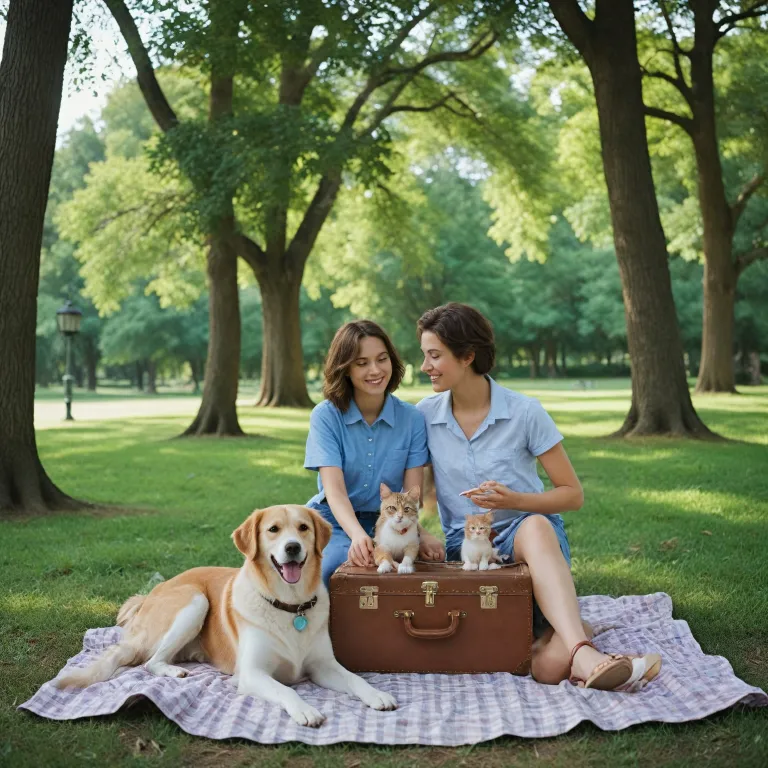
Preparing for a pet-friendly journey: essentials for safe and comfortable travel
Traveling with pets requires careful planning and attention to detail. Before setting out, ensure your pet’s vaccinations and health certificates are up to date, as many destinations require these documents for entry. Microchipping your pet and attaching a visible identification tag to their collar can provide peace of mind in case they get lost during your travels.
Pack a dedicated travel kit for your pet, including food, water, bowls, medications, waste bags, and familiar toys or blankets. This helps maintain their routine and reduces stress in unfamiliar environments. For longer journeys, schedule regular breaks every two to three hours to allow your pet to stretch, hydrate, and relieve themselves.
Research pet-friendly accommodations and transportation options in advance. Many hotels and rental properties welcome pets, but policies and fees vary widely. When booking flights or trains, check carrier requirements for pet size, breed restrictions, and in-cabin versus cargo travel. Always prioritize your pet’s comfort and safety by choosing direct routes and avoiding extreme temperatures.
Consider your pet’s temperament and health before embarking on a trip. Some animals may experience anxiety or motion sickness, so consult your veterinarian for advice on calming techniques or medications. With thoughtful preparation, traveling with pets can be a rewarding experience for both you and your companion.
Community stories: memorable experiences from readers traveling with pets
Real-life stories from fellow travelers offer valuable insights into the joys and challenges of traveling with pets. One reader shared how their dog, Max, became the star of a hiking group in the Alps, forging connections with locals and fellow tourists alike. Another contributor recounted the logistical hurdles of crossing borders with a cat, emphasizing the importance of researching entry requirements and carrying all necessary documentation.
Traveling with pets often leads to unexpected adventures. A family traveling through Italy found that their dog helped break the ice with residents, leading to invitations to local events and even a home-cooked meal. These experiences highlight how pets can enrich travel by fostering connections and creating lasting memories.
However, readers also note the challenges, such as finding pet-friendly restaurants or dealing with language barriers when seeking veterinary care. Many recommend joining online communities or social media groups dedicated to pet travel, where members share tips, reviews, and support. These networks can be invaluable when navigating unfamiliar destinations with your pet.
By learning from the experiences of others, travelers can better anticipate potential obstacles and make informed decisions, ensuring a smoother journey for both themselves and their pets.
Choosing the right transportation: planes, trains, and automobiles for pet travel
Selecting the most suitable mode of transportation is crucial when traveling with pets. Each option presents unique considerations regarding comfort, safety, and regulations. Air travel can be efficient but requires careful planning, especially for larger pets that must travel in the cargo hold. Always check airline policies on pet carriers, breed restrictions, and required documentation before booking.
Train travel is often more relaxed for pets, with many European rail companies allowing small animals in carriers at no extra charge. Larger pets may require a ticket or need to be muzzled and leashed. Trains offer more space for movement and regular opportunities for bathroom breaks, making them a popular choice for longer journeys.
Car travel provides the greatest flexibility, allowing you to set your own schedule and make frequent stops. Secure your pet with a harness or carrier to prevent injury in case of sudden stops. Never leave pets unattended in a parked vehicle, as temperatures can rise quickly and pose serious health risks.
Regardless of the mode of transport, acclimate your pet to their carrier or restraint system before the trip. Practice short journeys to build their confidence and reduce anxiety. By understanding the pros and cons of each transportation method, you can choose the best option for your pet’s needs and ensure a safe, enjoyable journey.
Health and safety considerations: keeping your pet well during travel
Maintaining your pet’s health and safety is paramount when traveling. Schedule a veterinary check-up before departure to address any health concerns and obtain necessary vaccinations or preventive treatments. Discuss potential risks such as motion sickness, anxiety, or exposure to unfamiliar parasites with your veterinarian.
Carry a copy of your pet’s medical records, including vaccination history and prescriptions. This documentation is essential if you need to visit a veterinarian while abroad. Pack a basic first aid kit tailored to your pet’s needs, including bandages, antiseptic wipes, and any regular medications.
Monitor your pet for signs of stress, dehydration, or illness during the journey. Offer water regularly and avoid feeding large meals immediately before travel to prevent stomach upset. If your pet shows signs of distress, such as excessive panting, drooling, or lethargy, seek veterinary assistance promptly.
Be mindful of environmental hazards at your destination, such as extreme temperatures, unfamiliar plants, or local wildlife. Keep your pet leashed or contained in public areas to prevent accidents or encounters with other animals. Prioritizing health and safety ensures a positive travel experience for both you and your pet.
Finding pet-friendly accommodations and activities: making the most of your trip
Securing suitable accommodations is a key aspect of traveling with pets. Many hotels, guesthouses, and vacation rentals welcome pets, but it is essential to confirm their policies regarding size, breed, and additional fees. Some properties offer amenities such as pet beds, bowls, or designated play areas, enhancing your pet’s comfort during your stay.
When planning activities, seek out pet-friendly attractions such as parks, hiking trails, and outdoor cafes. Many cities have dedicated dog parks or beaches where pets can socialize and exercise. Research local regulations regarding leash laws and pet access to public spaces to avoid fines or misunderstandings.
Dining with pets can be challenging, as not all restaurants permit animals on their premises. Look for establishments with outdoor seating or those that explicitly welcome pets. Consider preparing meals for your pet in advance to maintain their diet and avoid digestive issues.
Engage with local pet communities for recommendations on services such as grooming, pet-sitting, or veterinary care. By choosing pet-friendly accommodations and activities, you can create a memorable and enjoyable travel experience for both you and your companion.
Building a supportive community: connecting with fellow travelers and sharing advice
Traveling with pets can feel daunting, but connecting with a supportive community makes a significant difference. Online forums, social media groups, and travel blogs dedicated to pet travel offer a wealth of information and encouragement. Members share firsthand experiences, tips on navigating regulations, and recommendations for pet-friendly destinations.
Participating in these communities allows you to ask questions, share your own stories, and build connections with like-minded travelers. Many platforms organize meetups or group trips, providing opportunities for pets and owners to socialize and explore together.
Reader contributions often highlight the importance of flexibility and patience when traveling with pets. Unexpected challenges may arise, but the support of a knowledgeable community can help you adapt and find solutions. By engaging with others who share your passion for pet travel, you gain valuable insights and foster a sense of belonging.
Whether you are a seasoned traveler or embarking on your first journey with a pet, the collective wisdom of the community enhances your experience and empowers you to travel with confidence.
Expert advice and practical tips for a seamless pet travel experience
Expert guidance is invaluable when navigating the complexities of traveling with pets. Veterinarians recommend acclimating your pet to their carrier well in advance and using positive reinforcement to reduce anxiety. Pet travel specialists advise researching entry requirements for each destination, as regulations can vary significantly between countries.
Practical tips include packing extra supplies in case of delays, maintaining a consistent feeding schedule, and monitoring your pet’s behavior for signs of stress. Always have a backup plan for emergencies, such as locating nearby veterinary clinics or arranging alternative transportation if needed.
Experienced travelers emphasize the importance of patience and adaptability. Flexibility allows you to respond to unforeseen circumstances and ensures your pet’s well-being remains the top priority. By following expert advice and learning from the experiences of others, you can create a safe, enjoyable, and memorable journey for both you and your pet.
Traveling with pets is a rewarding endeavor that strengthens the bond between you and your companion. With careful planning, community support, and expert guidance, you can navigate the challenges and embrace the joys of exploring the world together.
Key statistics on traveling with pets
- Percentage of travelers who bring pets on holiday: [Insert statistic from dataset]
- Most common modes of transportation for pet travel: [Insert statistic from dataset]
- Average number of pet-friendly accommodations per major city: [Insert statistic from dataset]
Frequently asked questions about traveling with pets
What documents are required for international pet travel?
Most countries require a valid pet passport, up-to-date vaccination records, and a recent health certificate from a licensed veterinarian. Always check the specific entry requirements for your destination well in advance.
How can I help my pet adjust to new environments during travel?
Bring familiar items such as toys or blankets to provide comfort. Gradually introduce your pet to new surroundings and maintain a consistent routine to reduce stress.
Are there restrictions on pet breeds or sizes when traveling?
Some airlines, trains, and accommodations have restrictions based on breed or size. Always verify policies before booking to ensure your pet meets the requirements.
References: International Air Transport Association (IATA), American Veterinary Medical Association (AVMA), Pet Travel Scheme (PETS).