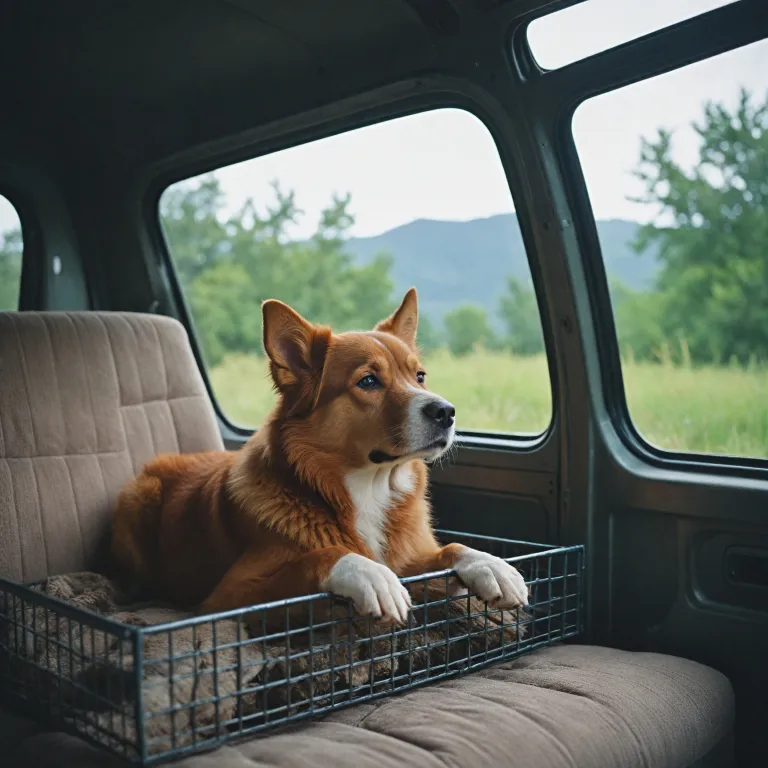
Understanding the roots of travel anxiety in pets
Travel can be a significant source of anxiety for pets, especially dogs, due to unfamiliar environments, noises, and changes in routine. For many pet parents, recognizing the signs of travel anxiety is the first step in providing help. Dogs may exhibit behaviors such as excessive panting, drooling, whining, or restlessness during car rides, which are clear indicators of stress and motion sickness. These symptoms can escalate if not addressed, impacting both pet health and the overall travel experience.
Travel anxiety in pets often stems from negative associations with car travel or previous stressful trips. When a dog experiences motion sickness or discomfort during a car ride, it may begin to associate car travel with stress. This association can lead to increased anxiety each time the pet is placed in the car. Understanding these behavioral patterns allows pet owners to implement targeted strategies to help reduce anxiety and make travel more enjoyable for their pets.
Professional pet behaviorists emphasize the importance of gradual acclimation to travel environments. By slowly introducing your dog to the car and rewarding calm behavior, you can help your pet feel more secure. This process, known as desensitization, involves short, positive car rides that gradually increase in duration. Over time, this training helps dogs associate car travel with positive experiences, reducing anxiety and stress. If you notice persistent signs of travel anxiety, consulting a vet or pet behaviorist is recommended to tailor a plan that addresses your pet's specific needs.
Pre-travel preparation: setting the stage for a stress-free trip
Effective preparation is crucial for minimizing travel anxiety in pets. Begin by introducing your pet to the travel crate or carrier well in advance of the trip. Allow your dog or other pets to explore the crate at their own pace, using treats and familiar toys to create a positive environment. This practice helps reduce anxiety by making the crate a safe, comforting space during car travel.
Maintaining your pet’s regular feeding and exercise schedule as much as possible is another key strategy. Consistency in routine helps pets feel secure and reduces the likelihood of stress-related behaviors. Before embarking on a trip, ensure your dog is well-exercised; physical activity can help reduce anxiety and motion sickness during car rides. If your pet is prone to car anxiety, consider using calming products such as pheromone sprays or pressure wraps, which have been shown to help dogs relax during travel.
Consulting your vet before travel is essential, especially if your pet has a history of anxiety or motion sickness. Your vet can recommend appropriate calming supplements or medications if necessary. As one expert notes, "Sedatives are generally not recommended due to potential health risks; consult your veterinarian for alternative calming methods." For additional guidance on preparing your pet for travel, visit comprehensive pet travel tips to ensure a smooth journey for both you and your pet.
Training techniques to reduce anxiety and improve behavior
Training plays a vital role in managing travel anxiety and promoting positive behavior in dogs and other pets. Start by associating the car with enjoyable experiences, such as short rides to a favorite park or offering treats during car travel. This approach helps your dog or pet associate car rides with positive outcomes, gradually reducing anxiety and stress.
Practice short trips frequently, increasing the duration as your pet becomes more comfortable. This incremental training helps dogs and other pets adapt to the motion and sounds of car travel, minimizing the risk of motion sickness and car anxiety. For pets that struggle with crate training, incorporate familiar bedding and toys to make the crate feel like a safe haven. Consistency and patience are key; some pets may take longer to adjust than others.
Professional pet behaviorists can provide tailored training plans for pets with severe anxiety. Techniques such as counter-conditioning and desensitization are effective in helping dogs overcome travel anxiety. If you need more information on advanced training methods, explore behavioral solutions for anxious pets. Remember, the goal is to help your pet feel confident and relaxed during every trip, whether it’s a short car ride or a longer journey.
Choosing the right tools and products for pet comfort
Selecting appropriate tools and products can make a significant difference in reducing travel anxiety for pets. Pheromone sprays and diffusers are widely used to create a calming environment in the car or crate. These products mimic natural calming signals, helping dogs and other pets feel more at ease during travel. Calming treats and supplements, recommended by many vets, can also help reduce anxiety and motion sickness.
Pressure wraps, such as Thundershirts, have been shown to calm up to 80% of dogs during stressful situations, including car rides. These wraps apply gentle, constant pressure, which can help dogs feel secure and reduce stress. For pets prone to motion sickness, ensure the crate or carrier is well-ventilated and securely positioned in the car. Familiar items like toys or blankets can further comfort your pet and help associate the car with positive experiences.
Before purchasing any calming product, check with your vet to ensure it is suitable for your pet’s health needs. As highlighted in the dataset, "Gradually acclimate your pet to their carrier, consult with your veterinarian, and ensure all travel requirements are met well in advance.
Managing pet health and safety during travel
Ensuring pet health and safety is paramount during any trip. Schedule a check-up with your vet before travel to address any health concerns and update necessary vaccinations. Discuss your pet’s travel anxiety and motion sickness with your vet, who can provide tailored advice and recommend suitable products or medications. Monitoring your pet’s behavior during car rides is essential; signs of distress, such as excessive drooling or vomiting, may indicate motion sickness or heightened anxiety.
Secure your dog or pet in a properly sized crate or with a pet seatbelt to prevent injury during sudden stops. Never leave pets unattended in a parked car, as temperatures can rise quickly and pose serious health risks. Bring a travel kit that includes water, food, medications, and waste bags to address your pet’s needs throughout the journey. For longer trips, plan regular breaks to allow your dog to stretch, relieve itself, and reduce anxiety associated with confinement.
Pet sitters can be a valuable resource if your pet is not suited for travel. Professional pet sitters provide care and companionship, ensuring your pet’s well-being while you are away. If you choose to travel with your pet, prioritize their comfort and safety at every stage of the trip. Remember, "Signs include excessive panting, drooling, whining, restlessness, and changes in behavior or appetite." Recognizing these indicators early allows you to intervene and help your pet feel more comfortable during travel.
Post-travel care: supporting your pet after the journey
After arriving at your destination, give your pet time to adjust to the new environment. Maintain familiar routines as much as possible to help reduce anxiety and promote a sense of security. Offer your dog or pet their favorite toys and bedding to create a comforting space in unfamiliar surroundings. Monitor your pet’s behavior closely for signs of lingering stress or motion sickness, and provide reassurance through gentle interaction and positive reinforcement.
If your pet exhibits ongoing anxiety or behavioral changes after travel, consult your vet or a professional pet behaviorist for guidance. Early intervention can prevent the development of chronic travel anxiety and support your pet’s long-term well-being. Encourage gradual exploration of the new environment, allowing your pet to acclimate at their own pace. For pets that struggle with transitions, consider short practice trips to build confidence and reduce anxiety over time.
Pet parents play a crucial role in supporting their pets before, during, and after travel. By understanding the causes of travel anxiety and implementing expert-recommended strategies, you can help your pet feel safe and comfortable on every journey. For more resources on post-travel care and behavior management, consult your vet or explore reputable online guides dedicated to pet health and travel.
Expert partnerships and innovative solutions for pet travel
Collaboration with veterinarians, pet behaviorists, and professional pet travel services is essential for managing travel anxiety in pets. These experts offer valuable insights into pet health, behavior, and the latest innovations in calming products. The development of advanced travel accessories, such as ergonomic crates and natural calming aids, reflects the growing demand for solutions that address pet anxiety during car travel and other modes of transportation.
Pet owners are increasingly seeking education and support to help their pets cope with the challenges of travel. Workshops, online resources, and one-on-one consultations with experts provide practical tools for reducing anxiety and improving the travel experience. As awareness of pet travel anxiety grows, the market for specialized products and services continues to expand, offering pet parents more options than ever before.
By leveraging expert advice and innovative products, you can create a travel plan that prioritizes your pet’s comfort and well-being. Remember to check with your vet before introducing new products or making significant changes to your pet’s routine. For ongoing support and the latest advancements in pet travel, stay connected with trusted professionals and reputable organizations in the field.
Key statistics on pet travel anxiety and safety
- Incidents involving pets during air travel: 13 incidents reported
- Percentage of dogs calmed by Thundershirts: 80%
Frequently asked questions about managing pet anxiety during travel
How can I prepare my pet for air travel?
Gradually acclimate your pet to their carrier, consult with your veterinarian, and ensure all travel requirements are met well in advance.
Are sedatives recommended for pets during travel?
Sedatives are generally not recommended due to potential health risks; consult your veterinarian for alternative calming methods.
What are some signs of travel anxiety in pets?
Signs include excessive panting, drooling, whining, restlessness, and changes in behavior or appetite.
For further reading, consult trusted sources such as the American Veterinary Medical Association, International Pet and Animal Transportation Association, and the Royal Society for the Prevention of Cruelty to Animals.