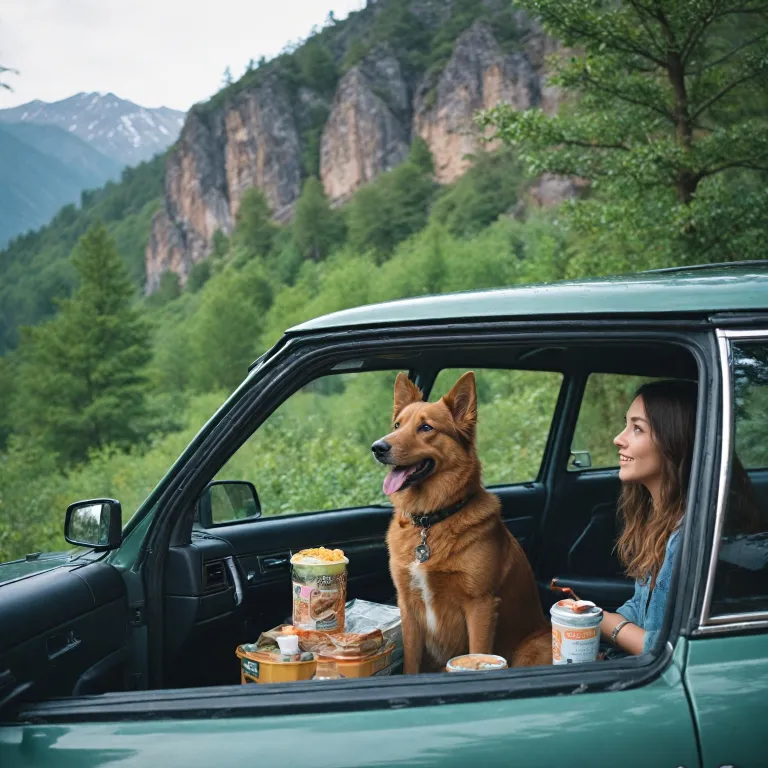
Understanding the essentials of feeding pets during travel
Traveling pets require careful planning to maintain their health and comfort. Whether your trip is by car or involves air travel, the way you feed your pet can make a significant difference in their well-being. Feeding times and meal types should be adapted to the travel schedule, ensuring your dog or cat receives food 4-6 hours before departure. This timing helps prevent motion sickness and allows for proper digestion. For both cats and dogs, sticking to their regular eating habits and familiar food is crucial. Introducing new food during a trip can lead to digestive issues, so always pack enough of your pet’s usual food and treats. Portable, spill-proof bowls and pre-portioned meal containers are smart tools to help keep feeding organized and stress free. Hydration is equally important; offer water at regular intervals, especially during long journeys, to avoid dehydration. Pet owners should also be aware of the unique needs of their pets, as some may require more frequent meals or specific types of food. Consulting with veterinarians before your vacation ensures that all dietary and health certificates are up to date, and that your pet is fit for travel. When planning a trip, consider the duration, mode of transport, and whether a pet friendly boarding facility or pet sitter friend is needed for part of the journey.Pre-travel preparation: setting routines and packing essentials
Preparation weeks before departure is vital for a smooth pet travel experience. Begin by gradually adjusting your pet’s feeding times to match the travel schedule, especially if your trip crosses time zones. This helps your dog or cat adapt to new routines and reduces stress while vacation. Gather all necessary food, water, and feeding accessories, including wet food, dry food, and food treats. Pre-portion meals for each day of travel, and use travel-friendly containers to keep food fresh and accessible. For pets prone to motion sickness, consult your veterinarian for advice and consider feeding smaller meals more frequently. Health certificates may be required for air travel or crossing borders, so ensure all documents are prepared in advance. Include your contact info and phone number on your pet’s carrier, as well as on their collar, to help keep them safe in case of separation. If you plan to use a pet sitter or boarding facility, provide detailed instructions about your pet’s eating habits, feeding times, and any special dietary needs. For more guidance on preparing your pet for travel, visit our comprehensive pet travel checklist to ensure nothing is overlooked. Remember, consistency in food and water is key to minimizing digestive issues and stress for traveling pets.Feeding strategies for the day of travel
On the day of travel, timing and portion control are essential for a stress free experience. Feed your pet 4-6 hours before departure, as recommended by veterinarians, to allow for digestion and reduce the risk of motion sickness. Avoid feeding your pet during motion, whether in a car or on a plane, as this can lead to discomfort and nausea. For long journeys, offer small, frequent meals rather than one large meal to help keep your pet comfortable. Use portable, spill-proof bowls for both food and water, ensuring your pet stays hydrated throughout the trip. If your pet is traveling in a carrier, make sure it is well-ventilated and lined with absorbent material in case of spills. Bring familiar food and treats to maintain your pet’s regular eating habits and avoid introducing new foods that could upset their stomach. For those using a pet sitter or boarding facility during part of the trip, provide clear instructions on feeding times, portion sizes, and any special requirements. If your journey involves air travel, double-check that all health certificates and documentation are in order. For more tips on managing your pet’s needs during travel, explore our in-depth guide to pet travel essentials. Monitoring your pet’s behavior and appetite during the trip will help you identify any signs of distress early and take appropriate action.Hydration and meal management during transit
Maintaining hydration is just as important as managing food intake while traveling pets. Offer water at regular intervals using portable, spill-proof bowls, and monitor your pet for signs of dehydration such as dry gums or lethargy. For cats and dogs alike, access to clean water helps prevent digestive issues and supports overall health. If your trip is long, plan for breaks every few hours to allow your pet to drink, eat, and relieve themselves. When traveling by car, secure your pet in a carrier or with a harness to ensure safety and comfort. For air travel, check airline regulations regarding food and water in the carrier, and provide enough for the duration of the flight. Wet food can be a good option for pets who are reluctant to drink water, but always balance it with dry food to maintain proper nutrition. If your pet is staying at a boarding facility or with a pet sitter, ensure they have access to fresh water at all times and that feeding times are consistent with their usual routine. Include your contact info and phone number with all instructions, so the sitter or facility can reach you if needed. For more advice on keeping your pet hydrated and healthy during travel, see our hydration tips for traveling pets. Proper hydration and meal management are key to a successful, stress free journey for both pets and their owners.Addressing special dietary needs and motion sickness
Some pets have unique dietary requirements or are more prone to motion sickness during travel. Consult your veterinarian before your trip to discuss any special needs, and obtain health certificates if necessary. For pets with sensitive stomachs, stick to their regular food and avoid introducing new treats or diets while on vacation. If your pet experiences motion sickness, feeding smaller meals more frequently and ensuring they have time to digest before travel can help. "It's recommended to feed your pet 4-6 hours before departure to allow for digestion and reduce the risk of motion sickness." Avoid sedating your pet unless specifically prescribed by a veterinarian, as sedation can have adverse effects during travel. If your pet is staying with a sitter friend or at a boarding facility, provide detailed instructions about their eating habits, preferred food, and any medications. Make sure the sitter has your contact info and phone number in case of emergencies. For pets requiring medication or supplements, pack enough for the entire trip and provide clear dosing instructions. Monitor your pet for signs of distress or digestive issues, and seek veterinary advice if symptoms persist. Maintaining a consistent feeding schedule and providing familiar food will help keep your pet comfortable and healthy throughout the journey.Ensuring safety and comfort at your destination
Once you arrive at your destination, reestablish your pet’s regular feeding times and routines as quickly as possible. Set up a designated feeding area with their familiar food and water bowls to help them feel at home. If your accommodation is pet friendly, confirm that there are safe spaces for your pet to eat, rest, and play. For those using a pet sitter or boarding facility, check in regularly to ensure your pet is receiving proper care and that feeding times are being followed. Provide the sitter with detailed instructions about your pet’s meals, treats, and any special requirements. If your pet shows signs of stress or refuses to eat, offer their favorite food treats and maintain a calm environment. Keep your contact info and phone number accessible in case of emergencies. For longer stays, monitor your pet’s eating habits and adjust their diet as needed to accommodate changes in activity level or environment. By prioritizing your pet’s comfort and maintaining consistent feeding practices, you help keep their travel experience positive and healthful.Key statistics on pet travel safety and feeding
- Incidents of pet-related emergencies during air travel: 13 incidents
- Percentage of transported animals involved in incidents: 0.008%
- Number of pet deaths during air travel incidents: 10 deaths
Frequently asked questions about feeding pets while traveling
How long before travel should I feed my pet?
It's recommended to feed your pet 4-6 hours before departure to allow for digestion and reduce the risk of motion sickness.
Should I change my pet's diet during travel?
No, it's best to stick to your pet's regular diet during travel to avoid digestive issues.
How can I keep my pet hydrated during travel?
Offer water at regular intervals using portable, spill-proof bowls, and monitor for signs of dehydration.