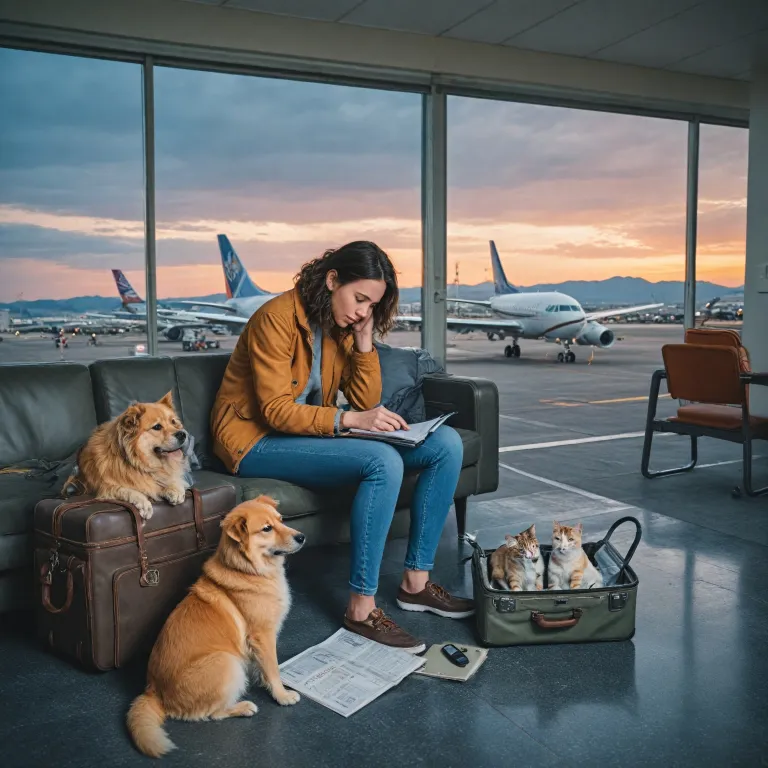
Understanding regulations and documentation for air travel with pets
Preparing pets for air travel requires a thorough understanding of international and domestic regulations. Each country and airline has specific requirements for pet travel, including documentation, kennel standards, and health certificates. Pet owners must research airline-approved pet carrier dimensions and ensure their animal meets all criteria for live animal transport. Many countries require a valid health certificate, often issued within ten days of departure, and a rabies vaccination certificate. For example, as of August 1, the Centers for Disease Control and Prevention (CDC) mandates a Dog Import Form for dogs entering the United States from countries with no or low rabies risk. This form is valid for six months and can be used for multiple entries, provided the dog has not visited high-rabies countries. Dogs from high-rabies-risk countries must also provide proof of a U.S.-issued rabies vaccine or a USDA-endorsed health certificate. All dogs must be healthy, at least six months old, and microchipped prior to rabies vaccination. These regulations are designed to protect both pets and public health. It is crucial for pet owners to read all guidelines carefully and consult with their veterinarian to ensure compliance. Failing to meet these requirements can result in denied boarding or quarantine upon arrival, causing unnecessary stress for both pets and owners. Always check the privacy policy of airlines and travel pet services to understand how your information and your pet’s data will be handled throughout the journey.Choosing the right carrier and acclimating your pet for travel
Selecting an airline-approved pet carrier is a fundamental step in preparing pets for air travel. The carrier must be well-ventilated, secure, and large enough for your dog or cat to stand, turn around, and lie down comfortably. Many airlines specify the type of kennel or carrier allowed in the cabin or cargo hold, so it is essential to read their pet travel policies in detail. Acclimating your animal to the carrier weeks before departure can significantly reduce anxiety. Place familiar items such as a favorite blanket or toy inside the carrier to create a sense of security for your furry friend. Begin with short periods inside the carrier and gradually increase the duration, rewarding your pet with treats and praise. For dog owners and cat owners alike, this process helps the animal associate the carrier with positive experiences. Some pets may benefit from additional comfort items, such as an absorbent pad or a piece of clothing carrying the owner’s scent. If your pet shows signs of distress, consult your veterinarian for tips on anxiety management. For more detailed advice on acclimating pets to travel, visit our comprehensive guide on pet travel preparation. The goal is to ensure your pet feels safe and comfortable, minimizing stress during air travel.Health checks, vaccinations, and certificates: what pet owners must know
A veterinary check-up is mandatory for traveling pets, especially when flying internationally. Schedule this appointment within ten days of your departure to obtain a health certificate, which most airlines and countries require. The veterinarian will assess your pet’s health, ensure all vaccinations are up to date, and provide documentation such as a rabies vaccination certificate. Some countries require additional vaccinations or treatments, so it is vital to read the entry requirements for your destination. The health certificate must include details about your pet’s microchip, vaccination history, and a statement of good health. For dogs cats traveling to the United States, the CDC’s new regulations require microchipping before rabies vaccination and proof of a U.S.-issued rabies vaccine or a USDA-endorsed health certificate. Cats and dogs must be at least six months old to travel. Always carry original documents and keep digital copies as a backup. If your pet has a chronic condition or requires medication, discuss this with your veterinarian and pack enough medicine for the entire journey. For more on required documents and health preparations, see our section on pet travel documentation. Remember, the health and safety of your animal are paramount, and proper preparation will help prevent complications during air travel.Practical tips for a smooth travel day with your pet
On the day of travel, preparation is key to ensuring a smooth experience for both pet owners and their animals. Avoid feeding your pet a large meal before departure to reduce the risk of motion sickness, but ensure they have access to water. Pack a travel kit containing food, water, medications, comfort items, and all necessary documentation, including the health certificate and rabies vaccination records. Arrive at the airport early to allow ample time for check-in and security procedures. Monitor your pet’s behavior closely; some animals may become anxious in busy airport environments. Provide reassurance with gentle words and familiar items from home. If your pet is traveling in the cabin, check that the carrier fits under the seat and complies with airline regulations. For pets flying in the cargo hold, confirm that the kennel is labeled with your contact information and the words “live animal.” Always follow USDA regulations for pet travel, as they are designed to ensure the safety and welfare of traveling pets. Consult with your veterinarian about strategies to manage anxiety, such as pheromone sprays or mild sedatives, if necessary. The well-being of your furry friend depends on careful planning and attention to detail.Managing stress and ensuring comfort for pets during air travel
Air travel can be stressful for pets, but there are effective strategies to minimize anxiety and ensure comfort. Acclimating your pet to the carrier in advance is one of the most important steps. Choose direct flights whenever possible to reduce travel time and the risk of delays or mishandling. Provide your animal with familiar items, such as a favorite toy or blanket, to create a sense of security. Ensure your pet is well-hydrated before the journey, and include a small, spill-proof water container in the carrier. Some airlines now offer pet-centric services, allowing dogs and cats to travel in the cabin with their owners, which can greatly reduce stress. As one expert notes, "To minimize your pet's stress during air travel, acclimate them to the travel carrier well in advance, choose direct flights when possible, avoid feeding large meals before travel, ensure they are well-hydrated, provide comfort items, and consult with your veterinarian about anxiety management strategies." Monitor your pet’s behavior throughout the journey and provide reassurance as needed. For pets prone to anxiety, consult your veterinarian about possible solutions, including natural calming aids or prescribed medications. Remember, the comfort and safety of your pet are the highest priorities during air travel.Addressing special considerations: pet loss, emergencies, and privacy
While preparing pets for air travel, it is essential to consider potential emergencies and the risk of pet loss. Incidents involving pet air travel, though rare, do occur, with recent statistics indicating 13 incidents and 10 deaths in a single year. To mitigate these risks, ensure your pet is microchipped and wears a collar with identification tags. Always use an airline-approved carrier that is secure and clearly labeled as a live animal. Familiarize yourself with the airline’s privacy policy regarding pet travel and data protection. In the event of a delay or emergency, have a contingency plan, such as access to a local veterinarian or pet travel service at your destination. For dog owners and cat owners, understanding USDA regulations and airline policies can help prevent complications. If your pet is lost during travel, immediately notify airline staff and provide a detailed description, including microchip information. For more on emergency preparedness and privacy considerations, read our dedicated blog section. The safety and well-being of your furry friend depend on proactive planning and adherence to best practices for pet travel.Key statistics on air travel with pets
- Incidents involving pet air travel in the past year: 13 incidents
- Deaths resulting from pet air travel incidents in the past year: 10 deaths
- Annual global human deaths due to rabies: 59,000 deaths
Frequently asked questions about preparing pets for air travel
What are the new CDC regulations for dogs entering the U.S.?
As of August 1, the CDC requires a Dog Import Form for dogs entering the U.S. from countries with no or low rabies risk. This form is valid for six months and can be used for multiple entries, provided the dog hasn't visited high-rabies countries. Dogs from high-rabies-risk countries must also provide proof of a U.S.-issued rabies vaccine or a USDA-endorsed health certificate. All dogs must be healthy, at least six months old, and microchipped prior to rabies vaccination.
How can I prepare my pet for air travel?
To prepare your pet for air travel, research airline-specific pet policies, obtain necessary health certifications, acclimate your pet to the travel carrier, choose direct flights when possible, avoid feeding large meals before travel, ensure hydration, pack a travel kit with essentials, arrive at the airport early, monitor your pet's behavior during travel, and consult with your veterinarian about anxiety management strategies.
Are there airlines that offer in-cabin accommodations for pets?
Yes, some airlines offer in-cabin accommodations for pets. For example, BARK Air is a pet-centric airline service that allows dogs to travel comfortably in the cabin rather than in cargo holds. They offer luxury flights for dogs and their owners, with destinations including New York to Los Angeles and New York to London.
References:
- Centers for Disease Control and Prevention (CDC): https://www.cdc.gov/importation/bringing-an-animal-into-the-united-states/dogs.html
- Animal and Plant Health Inspection Service (APHIS): https://www.aphis.usda.gov/pet-travel/pets-on-planes
- Airlines: Consult individual airline websites for pet travel policies.