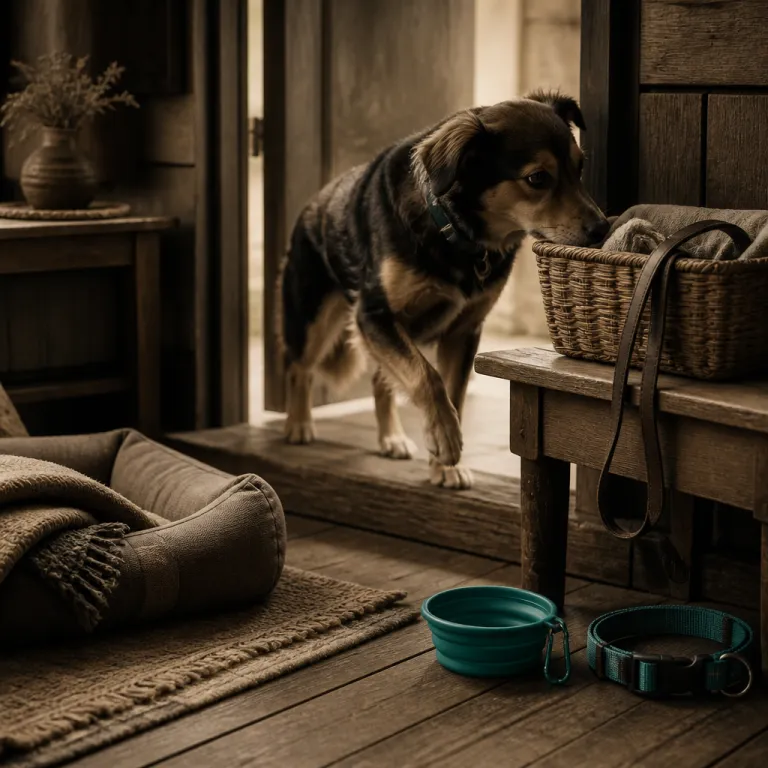
Section 1 – From standard pet friendly rooms to refined canine cottages
Pet travel has moved far beyond a simple “dog allowed” note on a booking form. Today’s discerning owners expect thoughtful care, flexible services, and elegant spaces where their dogs can genuinely enjoy the stay. This shift has given rise to a new generation of cottage style retreats, often described as refined canine cottages that feel like an extension of home rather than a basic pet friendly rental.
In these properties, the focus is on how a dog is living day to day, not just where the animal sleeps at night. Purpose designed rooms, washable fabrics, and easy access to a secure fenced yard help keep dogs safe while still feeling relaxed. Many cottages offer separate zones where animals can play, rest, and eat, mirroring the layout of a well organised family house and reducing friction between canine routines and human downtime.
Specialist brands illustrate how far this concept has evolved over the years. Canine Cottages in the United Kingdom curates thousands of dog friendly holiday cottages, while Canine Cottage and The Canine Cottage in the United States focus on boarding and training services. Canine Cottages Limited, registered in England and Wales, reports more than 10,000 dog friendly places to stay across its portfolio in its own marketing materials and company statements, a figure echoed in partner campaigns and industry round ups. Together, these examples show how the idea of a single canine cottage has expanded into a wider ecosystem of canine cottages that support travel, overnight boarding, and long stay care.
Section 2 – Understanding the spectrum of canine cottage style stays
When travellers search for canine cottages, they often meet three distinct but related offers. First come self catering holiday cottages where dogs stay with the family, then dedicated boarding cottages for overnight care, and finally training focused facilities for working dogs. Each type of cottage serves a different need, yet all rely on the same promise of safe, comfortable living for dogs and clear communication with owners.
Holiday cottages usually provide private rooms, enclosed gardens, and direct access to walking routes. A well designed canine cottage will include hard flooring, outdoor taps for muddy paws, and sometimes a fully fenced yard so dogs can play off lead without risk. These details matter when you are staying several days or planning a long multi stop journey with one or more dogs, especially if you are managing different energy levels or mobility needs within the same household.
Boarding focused cottages, such as Canine Cottage or The Canine Cottage, add structured services like supervised play time, grooming, and training. Their overnight boarding options are designed for animals whose owners are travelling elsewhere but still want a homely environment rather than a traditional kennel block. Internal case studies shared by providers often highlight repeat occupancy rates above 70% in peak months and strong guest ratings for cleanliness and staff interaction, underlining how this model competes directly with conventional kennels. For a deeper look at how the travel industry is adapting, the analysis on the pet welcoming pivot in travel explains why cottages dogs and similar models are gaining ground.
Section 3 – What to look for when choosing canine cottages for your trip
Selecting the right canine cottage begins with clarity about your dog and your itinerary. Consider age, energy levels, medical needs, and how much time you will spend away from the cottage during the day. Senior dogs may value quiet rooms and level access, while younger dogs often need more space to play and explore, plus robust surfaces that can handle muddy paws and enthusiastic zoomies.
Inspect how the property handles safety and supervision for animals. A securely fenced yard, robust gates, and clear rules about off lead play are non negotiable for responsible care. Ask whether overnight boarding is available on site if your plans include late events, and confirm how staff monitor dogs during the night hours. Many owners now request written protocols for emergencies and check whether staff hold recognised animal care or first aid training.
Location also shapes the experience for both dogs and humans. Rural canine cottages near national parks, such as those highlighted in this guide to elegant dog friendly cottages in the Lake District, offer long scenic walks straight from the door. Coastal cottages dogs properties may prioritise outdoor showers and sand resistant flooring instead. In every case, a well run canine cottage will balance human comfort with practical services for dogs, from washing stations to secure storage for food and equipment, so the property feels like a genuine base rather than a compromise.
Section 4 – Inside a stay: daily life, play, and overnight routines
A well planned day in canine cottages follows a gentle rhythm that respects both canine needs and human relaxation. Morning usually starts with a walk from the cottage, followed by breakfast and some quiet time while owners enjoy coffee or plan excursions. Later, structured play sessions in a fenced yard or nearby field help dogs burn energy before the family heads out, reducing the risk of restlessness or destructive behaviour indoors.
During the day, some travellers book extra services such as grooming, day boarding, or training for working dogs. Facilities like The Canine Cottage often combine overnight boarding with tailored training plans, so dogs can learn while owners explore local attractions. This approach turns travel time into an opportunity to refine obedience, build confidence, and reinforce good behaviour in real world settings. One trainer described a typical package as “a week of holiday for the humans and a week of focused, low stress learning for the dog,” with progress updates shared by message or video.
Evenings in a canine cottage tend to be calm and cosy. Dogs settle in shared living areas, sometimes on provided beds, while humans cook or unwind with local produce and regional wine. One regular guest described the atmosphere this way: “By the second night our spaniel was asleep by the fire before we had even finished dinner; it felt less like a rental and more like visiting family who happen to run a dog friendly cottage.” Clear routines around feeding time, last walks, and overnight arrangements keep animals safe and relaxed, whether they sleep in the main cottage rooms or in purpose built cottages dogs annexes nearby.
Section 5 – Practical planning: bookings, policies, and long term value
Securing the right canine cottage starts long before you load the car. With more than 10,000 dog friendly properties listed across the United Kingdom alone by providers such as Canine Cottages Limited and its partners, demand for the best located cottages can be intense during peak seasons. Early booking through reputable platforms such as Canine Cottages helps ensure you find a cottage that matches your dog’s needs and your budget, and many owners now reserve the same property a year in advance to lock in preferred dates.
Always verify pet policies in writing before you pay. Ask about maximum numbers of dogs per cottage, any breed or size limits, and whether working dogs are treated differently from companion animals. Clarify charges for extra cleaning, damage deposits, and optional services such as day care or overnight boarding, because these costs can add up over several years of regular travel. Some travellers track average nightly rates, cleaning fees, and add ons in a simple spreadsheet to compare the true cost of different canine cottages over time.
Thoughtful planning also includes health and welfare checks. Ensure vaccinations are current, pack familiar bedding and toys to make new rooms feel safe, and carry a printed summary of medical history in case of emergencies. For inspiration on shaping an itinerary around your dog’s comfort, the guide to Peak District dog friendly escapes shows how a single canine cottage can anchor a rich, low stress holiday for the whole family.
Section 6 – When a cottage becomes a second home for your dog
For many owners, returning to the same canine cottage year after year transforms travel into a reassuring ritual. Dogs recognise the driveway, the scent of the garden, and even the sound of the gate to the fenced yard, settling faster each time. This familiarity reduces stress for animals and humans, making long journeys feel lighter and more enjoyable and turning packing into a simple routine rather than a major project.
Regular stays also deepen relationships with hosts and care teams. Staff learn each dog’s quirks, from preferred play style to feeding time habits, and can tailor services accordingly. Over the years, this continuity of care can rival what you might expect from a trusted local sitter, yet with the added benefit of new landscapes and walking routes around the cottages. Some providers informally track returning guests and report that a significant share of bookings now comes from repeat visitors who treat the same cottage as a seasonal second home.
Clear communication remains central to this trust. As one provider explains in their own words, “What services do Canine Cottages offer? Dog-friendly UK getaways with various amenities.” When you combine that level of focus on dogs with thoughtful design of rooms, safe outdoor spaces, and flexible overnight boarding options, a well chosen canine cottage becomes more than accommodation. It becomes a shared living space where animals, owners, and hosts all genuinely enjoy their time together.
Key statistics on pet friendly cottages and canine travel
- The United Kingdom now offers around 10,000 dog friendly accommodation properties, a figure reported by partners working with Canine Cottages Limited and repeated in trade press coverage, showing how mainstream pet inclusive travel has become and how widely canine cottages are represented.
- Specialist brands such as Canine Cottages, Canine Cottage, and The Canine Cottage operate year round, with services available daily and bookings required in advance, reflecting sustained demand rather than a short term trend and supporting stable employment for trained animal care staff.
- Many canine focused facilities combine lodging with extra services such as grooming, training, and structured play sessions, aligning with the wider rise in luxury pet accommodations and premium care expectations and allowing owners to bundle several services into a single stay.
- Online booking systems and responsive customer service teams now underpin most canine cottage reservations, making it easier for travellers to compare pet policies and secure safe overnight options before departure, while also providing clear written records of agreed services and fees.
FAQ about canine cottages and travelling with dogs
How do canine cottages differ from standard pet friendly rentals ?
Canine cottages are designed around the daily needs of dogs, with secure outdoor areas, durable interiors, and clear pet policies. Standard rentals may simply allow a dog without adapting rooms, flooring, or gardens for safe canine living. The best canine cottage options also offer extra services such as day care, training, or overnight boarding, so the whole stay is structured around animal welfare rather than basic tolerance.
What services do Canine Cottages, Canine Cottage, and The Canine Cottage provide ?
Canine Cottages specialises in dog friendly holiday cottages across the United Kingdom, focusing on comfortable stays for families travelling with dogs. Canine Cottage and The Canine Cottage in the United States provide boarding, grooming, and training services, including options for working dogs. Together, they illustrate how canine cottages can support both leisure travel and dedicated care, from short weekend breaks to extended boarding with structured activity.
How can I book a stay at a canine cottage safely ?
Use official websites or verified booking partners, then confirm all pet policies in writing. Providers state that you can book by contacting them via their website or phone, and many also accept in person visits before a first overnight stay. Always check vaccination requirements, maximum numbers of dogs, and any extra fees for cleaning or special services, and keep copies of confirmation emails so you can refer back to agreed terms on arrival.
Are there size or breed restrictions for dogs in canine cottages ?
Policies vary between properties, so you must check each listing carefully. Some cottages welcome multiple large dogs, while others limit stays to one small dog per cottage or exclude certain breeds. As one provider notes, “Policies vary; check with the specific provider,” and that principle applies across most canine cottages, especially in regions with local regulations on particular breeds.
What should I pack when staying in a canine cottage with my dog ?
Bring your dog’s usual food, bowls, lead, and any medication, plus a familiar bed or blanket to make new rooms feel like home. Many travellers also pack towels, biodegradable waste bags, and a long line for safe play in open spaces. Even when services are comprehensive, familiar items help animals relax and enjoy their time in a new cottage, and a simple checklist can prevent last minute stress on departure day.