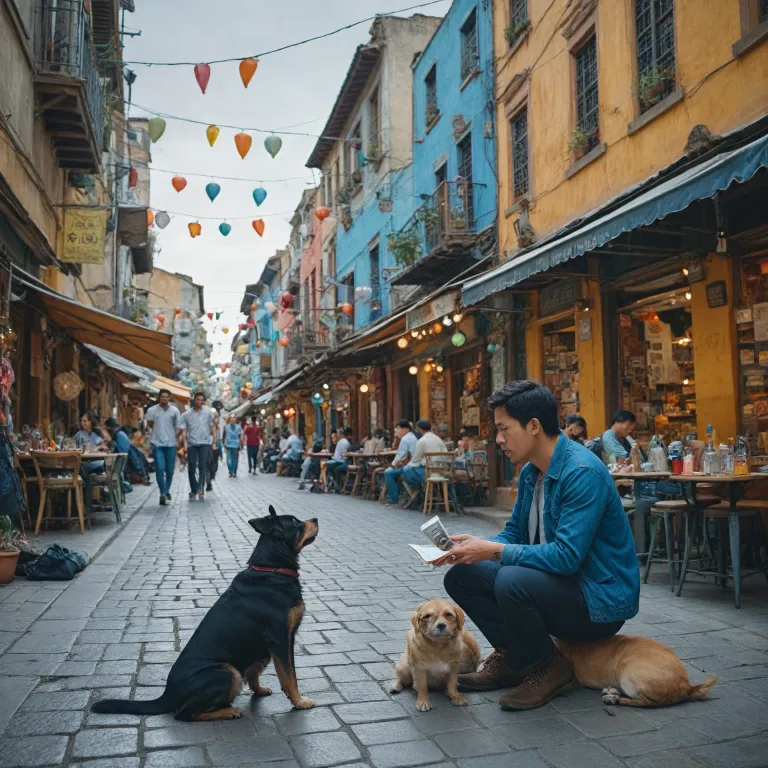
Understanding the essentials of traveling with pets to cultural spots
Traveling with pets requires thoughtful planning, especially when your itinerary includes cultural spots. Many travelers are eager to bring their companions along, but not all destinations are equally accommodating. Before setting out, research the pet policies of museums, historical sites, and galleries. Some locations allow pets in outdoor areas, while others may have strict restrictions. Always check if your pet needs specific documentation or vaccinations for entry. Carry a pet passport, health certificate, and proof of vaccinations to avoid any issues at borders or attractions. When visiting cultural spots, ensure your pet is comfortable with crowds and unfamiliar environments. Gradually introduce them to similar settings before your trip. This preparation helps reduce stress for both you and your pet. Remember, traveling with pets means being responsible for their behavior and well-being at all times. Choose destinations that value animal welfare and provide amenities for pets. This approach ensures a positive experience for everyone involved.
Choosing pet-friendly cultural destinations in Europe
Europe offers a wealth of cultural spots that welcome pets, making it a top choice for those traveling with pets. Cities like Paris, Rome, and Vienna have numerous parks and open-air museums where pets are allowed. In France, many châteaux and gardens permit pets on leashes, while Italy’s archaeological sites often have pet-friendly zones. When selecting destinations, prioritize places with accessible green spaces and walking paths. This allows your pet to relax between cultural visits. Public transport in several European cities accommodates pets, but always verify size and carrier requirements. Some train lines require pets to wear muzzles or travel in designated compartments. Traveling with pets in Europe is easier when you plan routes that minimize long car or train journeys. Break up travel days with stops at pet-friendly cafes or rest areas. This keeps your companion comfortable and engaged. Remember, each country has its own regulations, so research in advance to avoid surprises.
Preparing your pet for cultural travel experiences
Preparation is key to a successful journey when traveling with pets to cultural spots. Begin by scheduling a veterinary checkup to ensure your pet is healthy and up to date on vaccinations. Discuss any travel-specific concerns with your veterinarian, such as motion sickness or anxiety. Acclimate your pet to their travel carrier or harness in the weeks leading up to departure. Practice short trips to familiarize them with the experience. Pack a travel kit that includes food, water, bowls, waste bags, and comfort items like toys or blankets. Bring a first-aid kit tailored for pets, including any prescribed medications. When visiting cultural destinations, maintain your pet’s routine as much as possible. Feed and walk them at regular intervals to reduce stress. Always supervise your pet in public spaces and respect local rules. This preparation ensures a smooth and enjoyable trip for both you and your pet.
Navigating pet policies at museums, galleries, and historical sites
Understanding pet policies is essential when traveling with pets to cultural spots. Many museums and galleries restrict indoor access for animals, but some offer outdoor exhibitions or gardens where pets are welcome. Historical sites, especially those with expansive grounds, often allow leashed pets in exterior areas. Always check official websites or contact venues in advance to confirm their rules. Some locations provide amenities such as water stations or shaded rest areas for pets. When visiting sites with strict no-pet policies, consider using local pet-sitting services. This allows you to enjoy the attraction while ensuring your companion is safe and comfortable. For more expert strategies on ensuring your pet’s safety and comfort during hotel stays, visit this detailed guide for pet owners. Always carry cleaning supplies to maintain cleanliness and respect for the venue. By adhering to these guidelines, you demonstrate responsible pet ownership and help promote more inclusive travel experiences.
Ensuring your pet’s comfort and safety during cultural excursions
Comfort and safety are paramount when traveling with pets, especially in bustling cultural spots. Choose a well-fitted harness or leash to maintain control in crowded areas. Monitor your pet for signs of stress or fatigue, such as excessive panting or reluctance to walk. Provide frequent breaks in quiet spaces to allow your pet to rest and hydrate. Avoid exposing your companion to extreme temperatures or loud environments for extended periods. Carry a portable water bottle and collapsible bowl to keep your pet hydrated throughout the day. If your pet becomes anxious, use calming aids recommended by your veterinarian. Always have identification tags with your contact information attached to your pet’s collar. In case of emergencies, know the location of the nearest veterinary clinic. These precautions ensure your pet remains safe and comfortable, allowing you both to enjoy the cultural richness of your destination.
Building memorable experiences: etiquette and cultural awareness for pet travelers
Respecting local customs and etiquette is crucial when traveling with pets to cultural spots. Different countries and regions have varying attitudes toward animals in public spaces. Observe how locals interact with pets and follow their lead. Always clean up after your pet and dispose of waste responsibly. Avoid allowing your companion to approach other visitors or animals without permission. In some cultures, pets may not be as common in public areas, so be sensitive to those around you. Participate in guided tours or events that specifically welcome pets. These experiences often provide unique insights into the destination’s culture and history. By demonstrating respect and consideration, you help foster positive attitudes toward pet travelers. This approach not only enhances your journey but also encourages more destinations to become pet-friendly in the future.
Key statistics on traveling with pets to cultural spots
- No dataset provided for statistics.
Frequently asked questions about traveling with pets to cultural spots
What documents are required for traveling with pets to cultural destinations?
Most countries require a pet passport, health certificate, and proof of vaccinations. Always check the specific requirements of your destination before traveling.
Are pets allowed inside museums and historical sites?
Policies vary widely. While many indoor museums restrict pets, some outdoor exhibitions and historical sites allow leashed animals in designated areas. Always confirm with the venue in advance.
How can I ensure my pet’s comfort during long cultural excursions?
Maintain your pet’s routine, provide frequent breaks, and carry essentials like water, food, and comfort items. Monitor your pet for signs of stress and adjust your plans as needed.