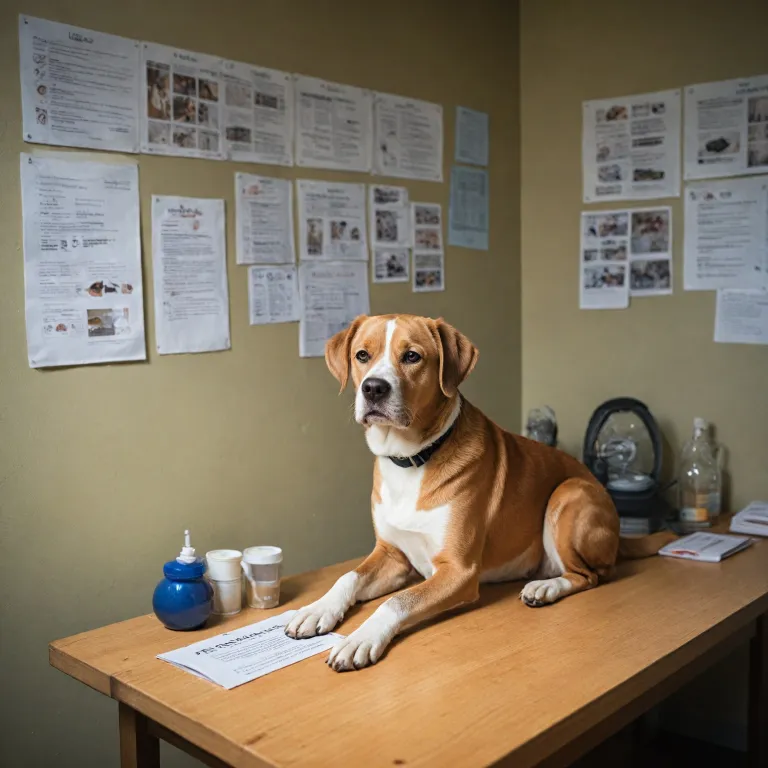
Understanding the neutering procedure and what to expect after surgery
Neutering is a common surgical procedure performed on male dogs to prevent reproduction and support long-term health. After the neuter procedure, pet owners should be aware of the typical recovery timeline and what to expect after surgery. The first days after neutering are crucial for monitoring your dog’s behavior and the incision site. Mild lethargy and reduced appetite are normal signs after dog neutering within the first 24 to 48 hours. During this period, the incision should be checked regularly for any changes. The site may show slight swelling, but excessive redness or discharge could indicate complications. Spaying and neutering procedures are routine, yet every dog responds differently. Understanding the normal recovery process helps pet owners distinguish between expected signs and warning signs after dog neutering. Proper pet care after surgery includes limiting physical activity and preventing your dog from licking or chewing the incision site. Using an Elizabethan collar is recommended to protect the incision and minimize infection complications. The vet will provide specific instructions tailored to your dog’s needs, and adhering to these guidelines is essential for a smooth recovery. Monitoring your male dog’s behavior and the incision site daily will help you identify any warning signs after dog neutering early. If you notice anything unusual, such as persistent lethargy or changes at the incision site, contact your vet promptly. For more insights on post-surgical care, visit this comprehensive guide to pet recovery.
Key warning signs after dog neutering and when to contact your vet
Recognizing warning signs after dog neutering is vital for your pet’s health. While most dogs recover without complications, some may develop issues that require immediate attention. Watch for signs infection at the incision site, such as excessive swelling, redness, or discharge. Persistent lethargy, refusal to eat, or vomiting are also warning signs after dog neutering that should not be ignored. The first 10 to 14 days after surgery are critical for monitoring your dog’s recovery. If your male dog is licking or chewing the incision, use an Elizabethan collar to prevent further irritation. Infection complications can escalate quickly if not addressed. "Contact your veterinarian if you notice excessive swelling, redness, discharge, persistent lethargy, or any other concerning signs during the recovery period." This expert advice underscores the importance of vigilance during the days after neutering. In rare cases, dogs may experience wound dehiscence, where the incision opens. This is a serious complication and requires immediate veterinary attention. Always follow your vet’s instructions for pet care after surgery and keep the incision site clean and dry. If you are unsure about any symptoms, do not hesitate to contact your vet.
Best practices for pet care after neutering surgery
Effective pet care after neutering surgery ensures a smooth recovery and minimizes the risk of complications. Limit your dog’s physical activity for at least 10 days after the procedure to prevent strain on the incision site. Dogs are naturally active, but excessive movement can disrupt the healing process. Keep your pet in a clean, comfortable environment to reduce the risk of infection at the incision site. Use prescribed medications, such as pain relievers or antibiotics, as directed by your vet. Regularly inspect the incision for warning signs after dog neutering, including swelling, redness, or discharge. Prevent your dog from licking or chewing the incision by using an Elizabethan collar. This simple tool is highly effective in reducing infection complications. After spaying or neutering, monitor your pet’s appetite and energy levels. Mild lethargy is normal, but persistent symptoms may indicate a problem. If you observe any signs infection or complications, contact your vet immediately. For a detailed checklist on post-surgical pet care, refer to this essential pet care resource. Consistent monitoring and adherence to your vet’s recommendations are key to a healthy recovery for your male dog after neuter surgery.
Incision site management: preventing infection and complications
The incision site is the focal point of recovery after neutering dog surgery. Proper management of the incision site reduces the risk of infection complications and supports faster healing. Inspect the incision daily for any changes, such as increased redness, swelling, or discharge. These can be early warning signs after dog neutering that require prompt attention. Keep the area clean and dry, and avoid bathing your dog until the vet confirms it is safe. Spaying and neutering procedures often use absorbable sutures, eliminating the need for suture removal. However, the incision site remains vulnerable during the first days after surgery. Prevent your dog from licking or chewing the area by using an Elizabethan collar. This is especially important for male dogs, as they may be more prone to disturbing the site. If you notice any signs infection, such as foul odor or pus, contact your vet immediately. Infection complications can delay recovery and may require additional treatment. Following your vet’s instructions for incision care is essential for minimizing risks. Remember, early intervention is the best way to address complications after neuter spay procedures.
Understanding the recovery timeline and what to expect after spaying or neutering
The recovery period after spaying or neutering typically spans 10 to 14 days. During this time, your dog will gradually return to normal activity levels. The first 1 to 2 days after surgery are marked by mild lethargy and reduced appetite, which are normal signs after dog neutering. By days 3 to 5, most dogs begin to regain their usual energy, but it is important to continue monitoring the incision site. Limiting activity and preventing licking or chewing remain priorities throughout the recovery. The use of absorbable sutures in neuter surgery has streamlined the healing process for many pets. However, complications can still arise if post-operative care guidelines are not followed. Watch for warning signs after dog neutering, such as changes in the incision site or unusual behavior. Spaying neutering procedures are safe when proper care is provided. If you have any concerns during the recovery period, contact your vet for guidance. Booking follow-up appointments online is a convenient way to ensure your pet’s progress is monitored. The goal is a healthy, happy dog with minimal risk of infection complications after neutering or spaying.
When to seek veterinary care: recognizing complications and acting promptly
Timely intervention is critical when warning signs after dog neutering appear. Not all complications are immediately obvious, so ongoing vigilance is required throughout the recovery period. Signs infection, such as excessive swelling, redness, or discharge at the incision site, should prompt immediate contact with your vet. Persistent lethargy, refusal to eat, or vomiting are additional warning signs after dog neutering that may indicate underlying issues. Spaying neutering procedures are generally safe, but a small percentage of dogs experience post-operative complications. According to veterinary studies, about 5 percent of dogs may encounter issues after surgery. Early detection and treatment of complications can prevent more serious outcomes. Always follow your vet’s recommendations for pet care after surgery and attend scheduled follow-up visits. If you are unsure about any symptoms, err on the side of caution and seek professional advice. Booking appointments online makes it easier to access veterinary care when needed. Your vigilance and proactive approach will ensure the best possible outcome for your pet after neuter spay procedures.
Key statistics on dog neutering recovery and complications
- Average recovery time after neutering: 10 days
- Percentage of dogs experiencing post-operative complications: 5 percent
Frequently asked questions about warning signs after dog neutering
What are normal signs after dog neutering?
Mild lethargy, reduced appetite, and slight swelling at the incision site are normal within the first 24-48 hours post-surgery.
How can I prevent my dog from licking the incision?
Use an Elizabethan collar (E-collar) to prevent the dog from licking or chewing the incision site.
When should I contact the veterinarian after my dog's neutering?
Contact your veterinarian if you notice excessive swelling, redness, discharge, persistent lethargy, or any other concerning signs during the recovery period.
Trustful sources: Royal College of Veterinary Surgeons, American Veterinary Medical Association, World Small Animal Veterinary Association.