Reading your landscape: how to answer “where can I take my dog to swim near me”
When you ask yourself where can I take my dog to swim near me, start by mapping every type of water access within a short drive. Think about the nearest lake, river, ocean beach, urban park pond, and any supervised pool that allows dog swimming during special sessions. This mindset helps owners compare different swimming spots and choose the safest water for their dogs.
Public agencies rarely allow a dog in just any lake or reservoir, because many shorelines are protected for wildlife or drinking water supplies. Official visitor guidelines from state park and reservoir managers consistently answer the question “Can dogs swim anywhere in public lakes?” with a clear no, explaining that many lakes restrict dogs or prohibit water contact. That single principle should shape how owners bring their pets to lakes, rivers, or pools and how they evaluate each dog park or shoreline.
Before you visit a new park, check the municipal website for dog friendly rules and seasonal closures. Many dog parks list whether a designated lake dog area exists, whether dogs may enter the water, and if friendly swimming is limited to certain days or hours. If information is missing, send a concise email to the parks department and keep the reply in your email protected folder for future reference.
In the USA, some regions such as Colorado list more than one hundred sixty four dog friendly lakes in state and local recreation databases, yet each lake has its own regulations. That means a local dog may enjoy lake swimming at one shoreline while another nearby reservoir bans all dog swimming activities. Always verify whether the park is pet friendly, whether pools or ponds are open, and whether the water is considered safe for contact.
Once you have a shortlist of swimming spots, compare them by access, shade, and crowd levels. A small cove with fresh water and gentle entry can be better for a nervous dog than a huge, busy dog park with steep banks. Think about how your dog likes to play, how confident it feels in pool water or open water, and whether you can easily reach your car if the weather changes quickly.
Lakes, rivers, and beaches: choosing safe natural water for dogs
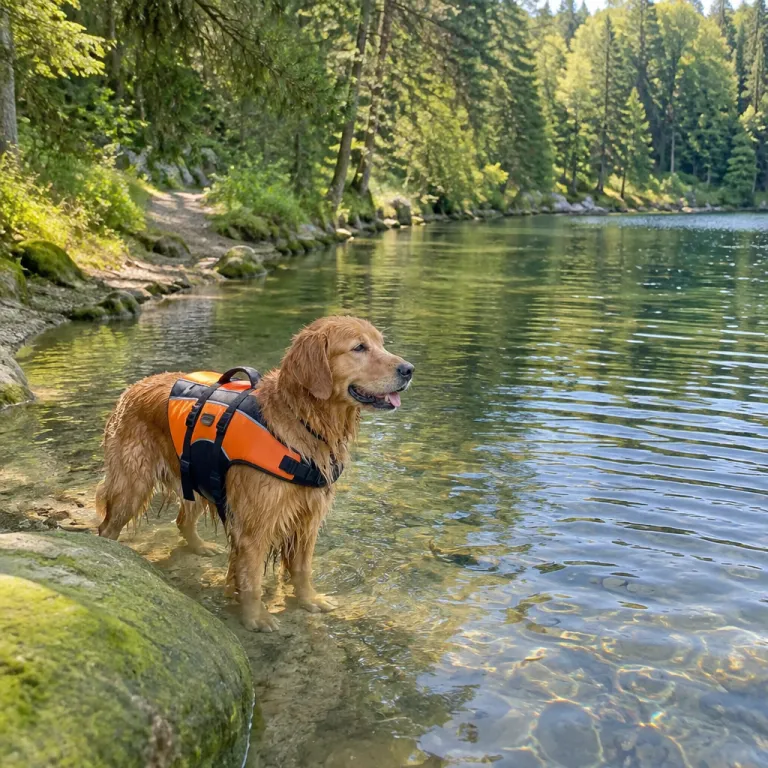
Natural lakes and rivers are often the first answer when people ask where can I take my dog to swim near me. A calm lake dog area with a gradual shoreline lets dogs wade, swim, and play without sudden drop offs. Look for pet friendly beaches or parks that clearly signpost dog swimming zones and separate them from protected wildlife areas.
Water quality is non negotiable, because dogs swallow more water while swimming than humans usually do. In late summer, warm pool water or stagnant lake water can host toxic algae blooms that are dangerous even in small amounts. When you see warning signs, dead fish, or thick green scum, keep your dog on land and use a kiddie pool or other water play option instead.
Coastal destinations add another layer of choice for owners who travel with dogs. Some oceanfront parks allow off leash dog swimming during specific days or hours, while others only permit leashed walks along the water line. Always check tide charts, because strong surf can overwhelm even confident dogs that usually enjoy calm lake swimming or pool water.
Rivers require extra caution, especially near dams, rapids, or fast currents that may not look dangerous from the bank. A dog that loves to play fetch can be swept downstream quickly if owners bring toys too far from shore. Choose wide bends with gentle flow, shallow entry, and plenty of space for dogs to exit the water easily.
For mountain getaways, combine hiking trails with carefully chosen swimming spots along the route. Many national forest trails cross streams or pass near a high country lake, but some sections are protected for wildlife or for drinking water reservoirs. Respect every sign, keep your dog leashed where required, and let it cool off only in designated pet friendly access points.
When planning a scenic road trip, consider pairing leaf peeping or coastal drives with dog friendly water breaks. For example, a carefully timed Blue Ridge Parkway foliage run with a dog can include short stops at riverside parks where dogs may paddle safely. This approach turns a simple drive into a series of refreshing, low impact swimming sessions for both large and small companions.
Urban escapes: dog parks, splash zones, and supervised pools
City based owners often wonder where can I take my dog to swim near me when there is no lake in sight. The answer usually lies in a mix of dog parks with ponds, supervised dog swimming events at public pools, and creative water play zones. Many municipalities now design at least one dog park with a shallow pool or splash pad where dogs can cool off on hot days.
Before you visit any urban dog park that includes water, observe how the space is managed and cleaned. A well maintained park will refresh pool water regularly, provide separate areas for small and large dogs, and post clear rules about health and vaccination. Look for pet friendly amenities such as shaded seating for owners, rinse stations, and free access to drinking water fountains.
Some cities host seasonal “dog swim days” at community pools just before they drain them for maintenance. During these events, owners bring their dogs for supervised friendly swimming sessions in shallow and deep pools, often with lifeguards watching. This can be an excellent answer to the question of where can I take my dog to swim near me if you live far from natural swimming spots.
For dogs that are anxious around crowds, consider smaller neighborhood parks with simple water kiddie setups. A basic kiddie pool filled with fresh water can provide safe water play without the chaos of large dog parks. Always monitor interactions closely, because excited dogs may jostle each other around small pools and slip on wet concrete.
Urban planners increasingly integrate pet friendly design into new green spaces, including shaded lawns, fenced dog parks, and splash features. Articles about dog friendly grass and outdoor adventure in cities like Livermore show how thoughtful layouts benefit both dogs and humans. When you travel, search for similar parks that combine safe water access, clean facilities, and clear signage.
Before heading out, confirm details by phone or email with the parks department or pool manager. Ask whether dogs are allowed in the water, whether any areas are protected, and whether there are separate times for small dogs. Keep that email protected in a dedicated folder so you can reference rules quickly on future visits.
Trail and lake combinations: planning full pet friendly adventure days
For active travelers, the most satisfying answer to where can I take my dog to swim near me often involves a full day outside. Combining hiking trails with access to a lake dog cove or gentle riverbank lets dogs burn energy before cooling off. This structure is especially helpful for high drive dogs that need both mental and physical play.
When you study trail maps, look for symbols that indicate water crossings, lakes, or rivers. Not every alpine lake along a trail is open for dog swimming, because some shorelines are protected for wildlife or for drinking water. Check ranger station notices carefully and ask staff whether any pet friendly swimming spots exist along your chosen route.
On long hiking days, owners bring extra gear to keep dogs safe and comfortable. Pack a collapsible bowl, at least one liter of drinking water per medium dog, a towel, and a canine life jacket for deep lakes. Even strong swimmers can tire quickly in cold fresh water, especially after steep climbs or long descents.
Choose rest points with natural shade, easy entry into the water, and space for dogs to exit without scrambling. Avoid narrow banks with deep mud, sharp rocks, or strong currents that could trap paws or legs. Let dogs wade first, then progress to deeper swimming only if they seem relaxed and eager to play.
Responsible trail use also means protecting local ecosystems while you enjoy them. Keep dogs leashed in sensitive zones, steer them away from nesting birds, and respect any signs that mark protected shorelines. Articles on topics such as overtourism in pet friendly trail towns highlight how uncontrolled dog access can damage fragile habitats.
After each water break, rinse mud from paws if possible and check for cuts or leeches. Back at your accommodation, give your dog a thorough fresh water rinse to remove algae, sand, or pool water chemicals. This simple routine helps prevent skin irritation and keeps your travel gear, car seats, and hotel rooms cleaner on multi day journeys.
Health, safety, and etiquette around dog swimming
Safety should guide every decision when you evaluate where can I take my dog to swim near me. Not all dogs are natural swimmers, and some breeds with heavy chests or short legs struggle in deep water. Start in shallow areas, use a life jacket, and stay close enough to support your dog if it panics.
Temperature matters as much as depth, because very cold fresh water can shock a warm, excited dog. Limit early season swims to short sessions, then let your dog rest on shore before returning to the lake or pool. In hot weather, schedule water play for cooler morning or evening hours and avoid mid day heat.
Water quality signs deserve your full attention, especially near urban lakes and ponds. If a park posts warnings about algae, sewage overflows, or unsafe pool water, keep your dog leashed and away from the shoreline. Remember that dogs often drink while swimming, so contaminated water can cause illness quickly.
Good etiquette keeps swimming spots welcoming and truly dog friendly for everyone. Always pick up waste, even in remote parks, and pack it out if no bins exist nearby. Keep toys under control so they do not drift into protected zones or disturb other visitors who may not enjoy dogs.
Leash rules vary widely, and they often change with seasons or wildlife patterns. One official reminder from park agencies is worth repeating here: “Do I need a leash? Often yes. Leash rules vary by location and season.” When in doubt, clip the leash before you leave the water and walk back through shared spaces.
After each session, dry your dog thoroughly, paying attention to ears, paws, and any skin folds. Rinse off salt, sand, or chlorine with clean drinking water or a gentle shower to prevent irritation. Watch for signs of fatigue, limping, or coughing, and consult a veterinarian promptly if anything seems unusual in the following days.
Gear, logistics, and communication for seamless aquatic getaways
Thoughtful preparation turns the question where can I take my dog to swim near me into a smooth, repeatable routine. Keep a dedicated swim bag ready with towels, a long line, a life jacket, and floating toys. Add a collapsible bowl, extra drinking water, and a small first aid kit tailored to dogs.
For road trips, choose pet friendly accommodations close to parks, lakes, or supervised pools. When you book, ask whether there is a nearby dog park, whether any pools host dog swimming events, and whether hose bibs are available for rinsing. A ground floor room with easy outdoor access simplifies late night walks after long swimming days.
Communication with local authorities and property managers is essential when rules are unclear. A short, polite email to a parks department can clarify whether dogs may enter a particular reservoir, whether shorelines are protected, and whether friendly swimming is allowed off leash. Save each email protected in a dedicated folder so you can reference permissions on future visits.
Portable gear such as a lightweight kiddie pool can transform a simple campsite or rental yard into a private water play zone. Owners bring these small pools on hot weekends, fill them with fresh water, and let dogs splash safely under supervision. This option is especially useful for small or elderly dogs that cannot manage strong currents or deep lakes.
Travelers with multiple dogs should plan for staggered swim sessions to avoid chaos. Rotate dogs through the water, give each one rest time in the shade, and monitor how they interact around limited pool water or shoreline space. Clear cues and calm handling help maintain a safe, relaxed atmosphere for everyone nearby.
Finally, keep a simple log of your favorite swimming spots, noting conditions, access, and seasonal changes. Over time, you will build a personal map that answers where can I take my dog to swim near me in every region you visit. That record becomes an invaluable resource for planning future trips and sharing reliable recommendations with other dog owners.
Key statistics about dog friendly swimming options
- Colorado alone lists approximately 164 dog friendly lakes in combined state park, national forest, and tourism databases, illustrating how many regulated freshwater options exist in just one US state.
- Many public lakes in the USA restrict canine water contact, which is why agencies explicitly state that “many lakes restrict dogs or prohibit water contact” in their visitor guidelines and reservoir protection plans.
- Seasonal “dog swim days” at public pools typically occur once or twice per year per facility, often scheduled just before draining, which concentrates urban dog swimming opportunities into a few high demand dates.
- In several US cities, local parks and recreation reports indicate that more than half of newly built off leash dog parks now include some form of water play feature, such as splash pads or shallow basins, reflecting rising demand for heat relief during longer warm seasons.
- Travel surveys from major pet travel platforms consistently show that access to nearby parks, lakes, or beaches ranks among the top three decision factors for dog owners choosing accommodations.
FAQ about taking your dog to swim
Can dogs swim anywhere in public lakes ?
No. Many lakes restrict dogs or prohibit water contact, often to protect drinking water or sensitive wildlife. Always check posted signs and local regulations before allowing your dog into any lake or reservoir.
Do I need a leash at dog friendly swimming spots ?
Often yes, especially when walking to and from the water through shared areas. Some designated dog parks and beaches allow off leash swimming within fenced or clearly marked zones, but rules vary by location and season.
How can I tell if the water is safe for my dog ?
Look for clear water, absence of strong odors, and no visible algae scum or dead fish. Check local health department or parks websites for advisories, and avoid letting your dog swim or drink where warnings mention bacteria, algae, or sewage.
What should I pack for a dog swimming day trip ?
Bring a life jacket, floating toys, towels, a collapsible bowl, and plenty of drinking water. Add a leash, waste bags, basic first aid supplies, and if possible a portable kiddie pool for controlled water play at rest stops or campsites.
How long can my dog safely swim ?
Most healthy dogs do best with several short sessions of 5 to 10 minutes, followed by rest on shore. Watch for signs of fatigue such as slower strokes, heavy panting, or difficulty climbing out, and end the session immediately if your dog seems tired or cold.