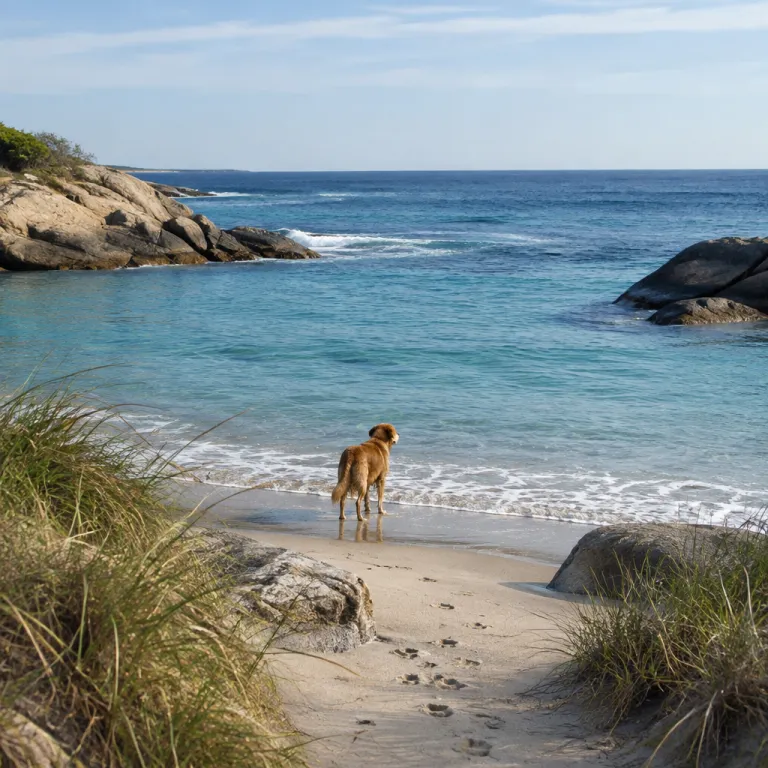
How to find truly dog friendly water near you
Reading the shoreline: what “dog friendly water near me” really means
Searching for “dog friendly water near me” is about far more than a quick dip for your dog. It is a way of matching your companion’s energy with the right beach, lake, or river area where dogs are genuinely allowed and safe. When you travel with dogs, every stretch of water becomes a potential recreation area, but not every shoreline is ready for park dogs or beach dogs.
Start by clarifying which types of water access you want for your dog. Some owners picture a calm lake for relaxed swimming, while others imagine an ocean state beach with waves, sand, and space where leashed dogs can trot along the tide line. A few travelers prefer a shaded creek state setting, where dogs swim in gentle pools beside a forest trail and the sound of water softens road noise.
Local Parks Departments and State Park Authorities are the primary actors deciding where dogs are allowed near water. They define whether a state park offers a officially designated dog swim cove, a shared fishing pier, or a fenced recreation area with a reservoir edge for supervised swimming. Because rules vary by state recreation system, always check whether dogs are allowed on the sand, in the water, or only on paved paths overlooking the lake state shoreline.
Seasonal rules matter as much as geography when you evaluate any allowed beach for dogs. Many coastal destinations such as Los Angeles County or San Diego restrict dogs during peak swimming hours, then quietly reopen sections of state beach zones to leashed dogs at dawn and dusk. Inland, a lake state recreation area near Sacramento or Denver may welcome area dogs all day outside school holidays, but tighten leash rules when camping numbers surge and fishing tournaments fill the car park.
Water quality is the final non negotiable filter before you let your dog swim. Use state beach advisory systems and local parks alerts to avoid algal blooms, high bacteria counts, or reservoir drawdowns that expose sharp rocks. When in doubt, keep your dog on a short leash at the edge, let them paddle in the shallows, and save full swimming paddleboarding sessions for clearly posted dog friendly zones.
Mapping real places: from urban fountains to wild lakes with dogs
Once you understand the rules, you can start mapping real “dog friendly water near me” options that match your travel style. In dense cities such as Los Angeles or San Francisco, the most practical water access for dogs may be a park with a splash pad, a shallow creek, or a reclaimed reservoir edge converted into a recreation area. These urban oases rarely feel wild, yet they offer safe, predictable swimming for park dogs that need to cool down after a long trail loop.
Coastal travelers often focus on whether dogs are allowed on the main beach or only on side coves. In many Californian state beach units near Los Angeles, leashed dogs are allowed on promenades and campgrounds but banned from the primary swimming zone, while a neighbouring cove quietly permits dogs swim access below the high tide line. Always read the fine print on “dogs allowed” signs, because rules can change between one staircase and the next.
Inland, classic lake destinations such as Bear Lake on the Utah Idaho border or Lake Tahoe in the Sierra Nevada offer a different rhythm for dogs. Here, you will find a patchwork of state park shorelines, county recreation area launches, and private marinas, each with its own stance on leashed dogs and off leash swimming. One cove might welcome dogs swim sessions beside paddleboarding families, while the next bans any dog swim activity to protect nesting birds or drinking water intakes.
For road trippers chasing cooler air, mountain lakes combine camping, fishing, and swimming in one compact landscape. A lake state recreation area may include a historic dam, a creek state inlet, and a pine shaded trail where dogs are allowed on certain allowed trails but not on fragile peninsulas. When you plan a foliage season drive along scenic routes such as the Blue Ridge Parkway, pairing overlooks with pet friendly water stops turns a simple drive into a layered journey, as shown in this detailed guide to a Blue Ridge Parkway foliage run with a dog.
Historic waterfronts add another dimension for travelers who love culture as much as recreation. In some harbour towns, dogs are allowed along quays and on certain steps down to the water, but not on fragile wooden piers or restored ships. When a site is both historic and active, such as a working fishing port beside a state recreation marina, expect stricter leash rules and fewer places where dogs swim freely.
Reading the rules: leashes, zones, and quiet hours around water
Every time you search for “dog friendly water near me”, you are really asking one question: where can my dog swim without conflict. The answer lies in the fine print of park regulations, which balance recreation, wildlife, and public health. Understanding these patterns lets you move confidently from one state park or city park to another without unpleasant surprises.
Leash policies are the backbone of water access rules for dogs. Many state recreation systems require leashed dogs on all trails and in all parking areas, then carve out specific dog swim coves where off leash play is tolerated within a roped zone. Signs may specify that leashed dogs are required on allowed trails leading to the water, while dogs are allowed to be off leash only once they cross a certain marker on the beach or lake shore.
Time based rules are just as important as spatial ones. Coastal state beach units often ban dogs from the main swimming area during midday in summer, then quietly allow leashed dogs before 9 a.m. and after 6 p.m. In contrast, some inland reservoir parks open dog friendly shorelines only outside peak fishing hours, to prevent dogs from tangling lines or disturbing anglers.
To avoid confusion, use structured tools rather than guesswork when you plan a dog swim stop. Dog specific platforms such as DogBeachIndex.com, the BringFido app, and official parks department websites list whether dogs are allowed on sand, in water, or only in adjacent picnic areas. For a deeper planning framework, this guide to elegant ways to find the best places to take your dog swimming nearby explains how to cross check maps, tide charts, and state park advisories.
Water quality rules protect both dogs and people, and they deserve your full attention. Advisory systems for each state beach or lake state reservoir publish real time data on bacteria, algal blooms, and storm runoff, which can turn a seemingly calm cove into a risky swimming paddleboarding spot. When a sign warns against contact with water, treat it as a hard stop for any dog swim session, even if area dogs appear to be playing happily.
Finally, respect for other users keeps dog friendly access open in the long term. Keep a leash handy when you pass anglers on a fishing pier, give wide space to paddleboarding classes launching from a narrow ramp, and steer your dog away from children building sandcastles on a crowded allowed beach. Responsible behaviour by dog owners is one reason many regions report an increasing number of designated pet swim zones and expanding off leash beach hours.
Designing the perfect day: pairing trails, water, and camping with your dog
A memorable outing built around “dog friendly water near me” rarely involves water alone. The most satisfying days weave together a morning trail, a midday swim, and a quiet evening at a campsite or rental where dogs are allowed to rest comfortably. Thinking in sequences helps you choose the right park, state park, or recreation area for your dog’s stamina and your own travel rhythm.
Start with the trail, because land based exercise takes the edge off exuberant dogs before they reach the water. Look for allowed trails that loop toward a lake, creek, or reservoir, so your dog can cool down halfway through rather than only at the end. In hilly regions, a creek state valley path with frequent shade may be kinder to older dogs than an exposed ridge walk that drops steeply to a rocky beach.
Next, plan the water segment with your dog’s swimming style in mind. Confident swimmers often thrive at gently shelving lake shores, where dogs swim parallel to the bank while you walk along the edge with a long leash. More cautious dogs may prefer a calm cove in a state park, where the water is shallow, waves are minimal, and other area dogs model relaxed swimming behaviour.
Camping adds a final layer of pleasure for many traveling pet owners. Lakeside campgrounds in state recreation complexes often combine dog friendly loops with direct access to a dog swim cove, a fishing jetty, and a paddleboarding launch. When you choose a site, check whether leashed dogs are permitted on the beach at night, or whether you must keep your dog within the camping area after sunset.
For those who prefer a roof and refined comforts, pet friendly vacation rentals near mountain lakes can offer the best of both worlds. Around Lake Tahoe and other alpine basins, you will find properties where dogs are allowed, with easy drives to state beach units, forest trails, and quiet coves ideal for swimming paddleboarding sessions. A curated collection of elegant pet friendly vacation rentals in Mammoth Lakes shows how a well chosen base can anchor several days of varied water and trail adventures.
Whatever lodging you choose, build in rest and shade between water sessions. Even strong dogs tire quickly when they swim repeatedly, especially in cold lake water or choppy surf. A quiet hour at camp or in a cool room lets your dog’s muscles recover, reduces the risk of overexertion, and makes the next visit to the park or beach feel fresh again.
Safety first: gear, etiquette, and health around lakes, beaches, and reservoirs
Elegant travel with pets means anticipating risks before they appear, especially around water. When you search for “dog friendly water near me”, add a mental checklist of safety gear and etiquette that will protect your dog, other visitors, and the places you love. A little preparation turns a simple dog swim into a smooth, low stress ritual.
Begin with equipment tailored to your dog’s size and confidence. A well fitted canine life jacket is essential for deep lakes, reservoirs, and any paddleboarding session, even if your dog is a strong swimmer. Pair it with a sturdy leash and a longer training line, so you can shift quickly between tight control in parking areas and more freedom in designated dogs allowed swim zones.
Paw protection is often overlooked but can be critical on hot sand or rough lake state shorelines. Test the temperature of the beach with your hand; if it burns, it is too hot for bare paws. On rocky reservoir edges or historic stone quays, consider booties for sensitive dogs, especially when they scramble in and out of the water repeatedly.
Etiquette around shared water spaces is as important as formal rules. Always pick up after your dog well away from the waterline, and carry waste out of remote recreation area coves where bins are scarce. Give extra space to anglers in fishing zones, to families with small children on crowded sand, and to nervous area dogs that may feel trapped between the water and a line of beach towels.
Health wise, watch for subtle signs of fatigue or distress in the water. Dogs can develop “swimmer’s tail” or ingest too much water during intense fetch games, especially in cold lakes or energetic surf. Limit sessions to short bursts, offer fresh drinking water regularly, and avoid letting your dog swim in stagnant ponds or discoloured creek state pools that may harbour algae.
Finally, remember that leash rules exist to protect wildlife as well as people. In wetlands, estuaries, and certain state park peninsulas, leashed dogs are required to prevent chasing birds or trampling nests. Respecting these boundaries helps keep more beaches, lakes, and trails open to dogs in the long term, reinforcing the trend toward expanding dog friendly water access documented by parks agencies.
Working with local authorities: how to keep dog friendly water access open
Behind every “dog friendly water near me” search result lies a network of human decisions. Parks Departments and State Park Authorities weigh competing demands for fishing, swimming, wildlife protection, and camping when they decide where dogs are allowed. As a traveler, you can either be a passive user of these spaces or an active partner in keeping them open to dogs.
Start by learning how your destination manages its water based recreation area assets. Some regions operate integrated state recreation systems, where a single agency oversees every state park, state beach, and lake state reservoir. Others rely on a patchwork of city park departments, county boards, and water districts, each with its own stance on leashed dogs and dog swim zones.
When you arrive at a new park, treat the information board as your briefing room. Look for maps that mark allowed trails, dog friendly coves, and no dog zones around drinking water intakes or sensitive wetlands. If signage is unclear, a quick conversation with a ranger or gate attendant can clarify whether dogs are allowed on the sand, in the water, or only on adjacent paths.
Feedback matters more than many visitors realise. If you find a well maintained dog swim cove, a thoughtfully signed paddleboarding launch that welcomes dogs, or a shaded creek state trail where area dogs can cool off safely, say so in person and in follow up emails. Positive comments help park managers justify keeping these spaces open when budgets tighten or complaints arise.
Equally, when you see problems, frame them constructively. Instead of venting online about off leash chaos at a popular beach, write to the relevant state park office suggesting clearer zones for park dogs, more waste bins, or timed access for dogs swim sessions. Managers are more likely to respond to specific, solution oriented suggestions than to general frustration.
Over time, engaged travelers can influence how destinations evolve for dogs. Regions that once banned dogs from all beaches now pilot early morning windows where leashed dogs are welcome, then expand those hours when they see responsible behaviour. Your choices, from picking up litter to respecting quiet hours at camping loops, become data points that support the case for more dog friendly water access everywhere you roam.
Planning beyond your postcode: building a pet centric water travel portfolio
Once you master the art of finding “dog friendly water near me” at home, you can extend the same skills across borders and climates. Think of your favourite dog swim spots as a personal portfolio of lakes, beaches, and rivers that suit different moods and seasons. This mindset turns every future trip into an opportunity to add a new, well understood water experience for your dog.
Begin by categorising destinations according to their dominant water type. Coastal hubs such as Los Angeles offer a mix of urban state beach units, city park lagoons, and nearby reservoir based recreation area complexes, each with distinct rules for leashed dogs and off leash zones. Mountain regions centred on lakes such as Bear Lake or Lake Tahoe lean toward alpine lake state shorelines, creek fed inlets, and historic dams, where dogs are allowed in some coves but excluded from others.
Next, match each category to your dog’s preferences and your own travel style. If your dog loves long, sandy runs, prioritise regions where dogs are allowed on wide beaches during shoulder seasons, even if summer rules are stricter. If you prefer quiet paddling, focus on lakes with calm water, clear swimming paddleboarding corridors, and designated dog friendly launches away from busy fishing piers.
Seasonality should shape your portfolio as much as geography. High summer may be best spent at higher elevation lakes, where cooler air and snowmelt fed water keep dogs comfortable during midday swims. Shoulder seasons suit coastal state park visits, when crowds thin, leashed dogs gain broader access to sand, and camping loops near the water feel peaceful rather than packed.
Finally, document your findings with the precision of a travel journalist. Note which parks offered the best allowed trails to water, where area dogs behaved calmly, and which state recreation managers communicated rules clearly. Over time, your notes will become a trusted internal guide, more reliable than any single app, and your dog will benefit from a lifetime of well chosen, low stress encounters with water.
Key figures on dog friendly water access
- DogParkAtlas reports hundreds of dog parks with confirmed water features in the United States, indicating a substantial and growing network of structured dog friendly water access points beyond natural beaches and lakes.
- Parks agencies across several coastal regions note an increasing number of designated pet swim zones, reflecting a policy shift from blanket bans toward managed, clearly signed areas where dogs are allowed to swim safely.
- Off leash beach hours are expanding seasonally in many jurisdictions, with early morning and late evening windows added to balance family swimming demand, wildlife protection, and the needs of active dogs.
- State Park Authorities in multiple states now use online advisory systems for each state beach and lake state reservoir, allowing dog owners to check water quality and access rules before committing to a long drive.
- Local Parks Departments emphasise three core owner behaviours that keep dog friendly water access open: bringing a leash and cleanup bags, checking water quality advisories, and visiting during off peak hours to reduce conflicts.
Frequently asked questions about traveling with dogs to water destinations
Are dogs allowed on beaches during summer?
Are dogs allowed on beaches during summer? Often restricted in peak season; allowed off-season or at certain hours. Always check local state beach and city park regulations before you go, because rules can change between neighbouring stretches of sand.
Do dogs need to be leashed near lakes and rivers?
Do dogs need to be leashed? Leash rules common; off-leash only in designated areas. Many state park and state recreation managers require leashed dogs on trails and in parking areas, with off leash freedom limited to clearly marked dog swim coves.
How can I check water quality before my dog swims?
How to check water quality? Use state beach advisory systems or local parks alerts. These official channels publish up to date information on bacteria levels, algal blooms, and other hazards that may not be visible from the shore.
What should I pack for a dog friendly day at the water?
For a safe outing, pack a well fitted life jacket for your dog, a sturdy leash and long line, collapsible water bowl, fresh drinking water, and plenty of waste bags. Add a towel, a basic first aid kit, and shade options if your chosen beach, lake, or reservoir has little natural cover.
How can I find reliable information on dog friendly water near me?
Combine several tools rather than relying on a single map. Use dog specific platforms such as DogBeachIndex.com and the BringFido app, then confirm details on official parks department or state park websites to ensure that dogs are allowed where you plan to swim.
Suggested references for further reading: Centers for Disease Control and Prevention (CDC) guidance on harmful algal blooms and pets; American Veterinary Medical Association (AVMA) advice on water safety for dogs; National Park Service and individual State Park Authority websites for current pet regulations.
Quick checklist for dog friendly water days
- Confirm local rules: dogs allowed, leash requirements, and time-of-day restrictions.
- Check official water quality advisories for beaches, lakes, and reservoirs.
- Pack essentials: leash, long line, life jacket, water, bowl, and waste bags.
- Plan a sequence: trail first, then swim, then rest in shade or at your lodging.
- Watch your dog closely for fatigue, cold, or signs of waterborne illness.
In summary, learning to read shorelines, regulations, and seasonal patterns turns any “dog friendly water near me” search into a confident, repeatable routine. By pairing clear information with thoughtful gear, considerate etiquette, and constructive feedback to park managers, you create safer, calmer experiences for your dog and help keep more lakes, rivers, and beaches open to pets for years to come.