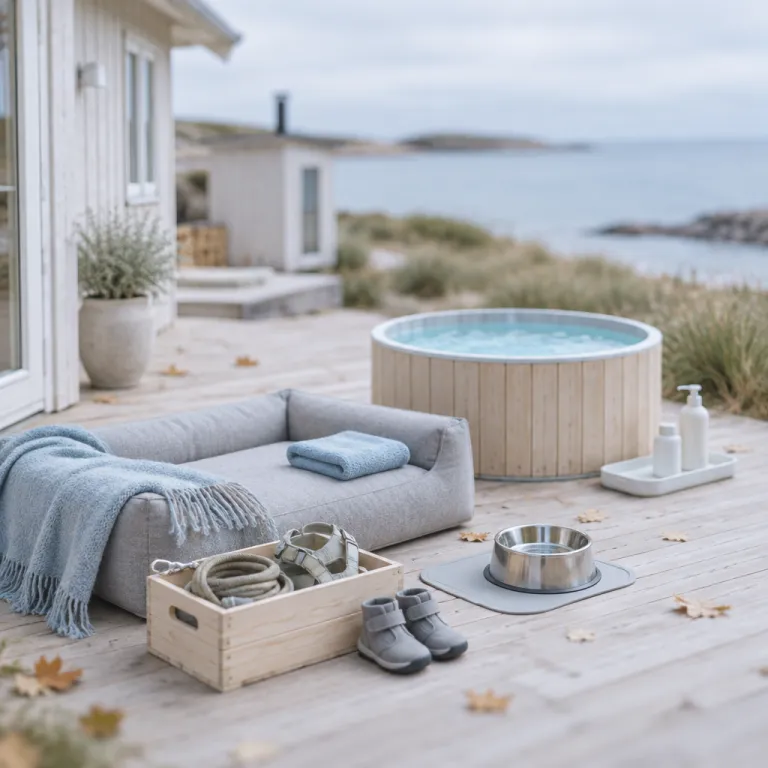
Why the autumn reset matters for the traveling dog
By the time leaves start to turn, the average traveling dog is quietly exhausted. After a season of patios, trails and long drives across the United States, many dogs carry a subtle accumulation of stress that people often misread as simple sleepiness. A thoughtful dog wellness retreat in the shoulder season gives both pet and couple a structured pause, where the focus shifts from mileage and socialising to rest, healing and genuinely restorative routines.
Real recovery for dogs looks deceptively simple; it is not about costumes, themed yoga retreats or a photo ready pool, but about uninterrupted sleep, gentle movement and low stimulation spaces where a comfort dog can finally exhale. Veterinary behaviourists note that most adult dogs need 12–14 hours of sleep in a 24-hour period, and many well-traveled pets fall short of that during peak season. In a serious wellness retreat, the host will prioritise quiet walking paths over crowded lawns, slow stretching over tricks, and soft bedding over novelty, which is why autumn’s cooler temperatures and shorter day length suit canine bodies so well. When you choose a dog friendly stay with this in mind, you are not indulging your pet; you are protecting joints, digestion and behaviour after a demanding travel season.
Across the United States, from California wine valleys to the forests of North Carolina and South Carolina, more properties now market themselves as retreats for dogs. Some of these stays are genuinely pet friendly wellness retreats, with capped group sizes and staff trained in basic canine body language, while others simply waive the pet fee and call it a day, so a skeptic’s eye is essential. Look for clear details about dog wellness programming, transparent cancellation policies and limits on the number of dogs per room or class—many reputable programs cap active sessions at six to eight dogs—because those small details often reveal whether a place understands animal needs or just the marketing value of the word wellness.
What real canine recovery looks like on retreat
Step into a serious dog wellness retreat in autumn and the first thing you notice is the quiet. The best pet friendly wellness stays keep the number of dogs low, schedule activities with generous gaps and design spaces where a dog can choose distance from people when needed. This is not about constant stimulation; it is about curating a rhythm where each dog moves, rests and eats in a way that supports healing rather than performance.
On a typical day, a dog friendly wellness retreat might begin with a slow forest walk instead of a crowded group hike, followed by a long nap in a sunlit room with blackout options for sensitive dogs. Later, a short yoga retreat style stretch session on the lawn allows owners to practise gentle yoga while dogs simply lie nearby, absorbing the calm without being asked to perform. In the evening, a quiet lounge replaces the bar scene, and a comfort dog can curl up beside its couple while they read, rather than navigate a noisy terrace.
Nature escapes amplify this effect. A coastal inn by the sea, for example, can function as an “inn sea” style refuge, where dogs pad along empty beaches and fall asleep to waves instead of traffic. For couples who like to pair wellness retreats with architecture and design, properties in the Hudson Valley or near Buttermilk Falls offer wooded trails, river views and fireplaces that feel made for shoulder season. For more ideas on serene cabins and refined pet friendly stays that lean into nature, explore this guide to sleepy hollow cabins and other quiet nature escapes with pets, then layer in your own slow, dog centred rituals.
Sorting substance from theatre in pet wellness stays
Not every place that advertises a dog wellness retreat delivers more than a themed water bowl and a social media corner. Some resorts in the United States have built entire wellness retreats around canine menus, branded bandanas and staged yoga retreats where dogs are props rather than participants. The difference between theatre and substance lies in whether the retreat respects a dog’s sensory limits and offers genuinely free choice to rest, move or retreat from people.
When you evaluate a pet friendly wellness retreat, start with the schedule and the small print. Are there clear details about quiet hours, off leash policies, cancellation terms and maximum numbers of dogs per class, or is everything vague and photo driven? Does the host explain how they separate high energy dogs from older or anxious ones, and do they mention consulting a veterinarian or behaviour specialist when designing activities? A serious retreat will also be honest about what it does not offer, such as clinical rehabilitation, and will encourage guests to speak with their own vet before booking if a dog is recovering from injury.
Off season timing helps you see the truth. In autumn, when crowds thin on the Blue Ridge Parkway in North Carolina, a property that still caps group sizes and keeps trails calm is signalling that dog wellness comes before volume. For a sense of how shoulder season travel can feel when you time it right, this route guide to a Blue Ridge Parkway foliage run with a dog shows how fewer people, cooler air and shorter day trips can transform a simple drive into a restorative retreat for both dogs and humans.
Matching the wellness stay to your individual dog
No two dogs arrive at a dog wellness retreat with the same history, which is why matching the program to your animal matters more than any amenity list. An older dog that has spent the summer hiking in the Hudson Valley or along Buttermilk Falls needs different care from a young comfort dog that has mostly lounged on patios in California. Age, fitness, anxiety levels and any existing medical conditions should shape every choice you make, from the length of each day’s walk to whether a yoga retreat style class is appropriate.
For the senior athlete, look for wellness retreats that emphasise soft surfaces, short inclines and warm sleeping areas, ideally in pet friendly rooms close to exits so stairs are minimal. A well designed program for this dog might include slow morning strolls, gentle stretching beside you during yoga, and long, uninterrupted naps, with the host offering details about nearby veterinary care in case of stiffness or strain. In contrast, an anxious dog may benefit from a quieter stay in North Carolina or South Carolina, where there are fewer people, more private outdoor nooks and staff trained to read subtle stress signals.
Some couples dream of combining their own yoga retreats with their dog’s reset, especially in destinations like Hawaii or the coastal United States. In these cases, ensure that any dog friendly yoga class allows your pet to opt out and rest at a safe distance, rather than forcing interaction. If your dog is recovering from injury, speak with your veterinarian before booking any wellness retreat, and treat the stay as a supportive environment for rest rather than a substitute for clinical rehabilitation, even when the marketing language leans heavily on healing narratives.
Off season advantages and at home wellness resets
Autumn and early winter are the unsung heroes of the dog wellness retreat calendar across the United States. As families return to routine and summer crowds thin, pet friendly resorts from California to North Carolina quietly shift into a slower gear that suits dogs far better than peak season chaos. Lower occupancy means more space between dogs, more attentive hosts and often more flexible cancellation terms, which together create a calmer frame for any wellness retreats you plan.
Couples also tend to find better value in these months, which matters when you are weighing a weekend at a place like Rancho Valencia or a coastal resort paws style property against staying home. With fewer people on site, staff can offer more details free of rush about walking routes, quiet corners and local vets, and a truly dog aware team will often adjust schedules so your pet’s rest is not interrupted. Even in destinations like Hawaii, where flights are long, choosing an off season window can mean cooler day temperatures for walks and less sensory overload for dogs that are new to air travel.
You do not need a passport or a five star resort to give your dog a meaningful reset, though. A home based retreat can be as simple as blocking a long weekend, cancelling non essential plans and structuring each day around slow walks, predictable mealtimes and extended naps. For water loving dogs, you might add one carefully chosen outing using a guide to elegant ways to find safe places to take your dog swimming nearby, then return home for quiet grooming, massage approved by your vet and an early night on a freshly washed bed.
Planning the details of your next dog wellness retreat
Thoughtful planning turns a pleasant pet friendly weekend into a genuinely restorative dog wellness retreat for both dogs and people. Start by listing what your individual dog finds calming or stressful, then choose a region of the United States whose climate and landscape match that profile, whether it is the forests of the Hudson Valley, the waterfalls near Buttermilk Falls or the citrus scented air of Southern California. From there, focus on properties that limit the number of dogs, offer clear dog friendly policies and describe their wellness approach in concrete terms rather than slogans.
Before you book, request written details about room locations, outdoor access, noise levels and any yoga retreat or movement classes that include dogs, so you can tailor each day to your pet’s needs. Ask how the host manages interactions between unfamiliar dogs, whether there are pet free zones for decompression and what happens if your dog needs to skip an activity, because flexibility is a hallmark of serious wellness retreats. Clarify cancellation policies in case your veterinarian later advises against travel, and keep a copy of your dog’s medical records on your phone for any unexpected visits.
On arrival, treat the first day as an assessment rather than an agenda. Let your dog explore the room, walk the nearest paths on leash and rest before you commit to any group activities, even if the schedule is full of tempting yoga retreats or social hours. A true retreat will respect that pace, allowing you to adjust plans without penalty, and by the time you drive home, the goal is simple; a dog that sleeps deeply, moves more comfortably and seems, in the quietest ways, more at ease in its own body.
FAQ: planning an autumn dog wellness retreat
How long should an autumn wellness stay with my dog last?
For most dogs, two to three nights at a calm wellness retreat are enough to interrupt the usual routine and allow real rest. Very anxious or over stimulated dogs may benefit from four nights, provided the environment stays quiet and predictable. Focus less on the number of days and more on keeping the schedule simple, with one main outing and plenty of downtime each day.
What should I look for in a pet friendly wellness property?
Prioritise places that limit the number of dogs, offer clear dog friendly rules and describe specific quiet areas, walking routes and rest times. Ask for written details about room locations, noise levels and how staff manage interactions between unfamiliar dogs. A serious property will also have transparent cancellation policies and will encourage you to consult your veterinarian if your dog has any medical issues.
Are dog yoga classes and spa treatments safe for every dog?
Not every dog enjoys or benefits from yoga style classes or spa treatments, especially if they involve handling by strangers. These activities should always be optional, low pressure and adapted to your dog’s age, health and temperament, with the option to rest at a distance. If your dog has joint problems, recent surgery or anxiety around touch, speak with your veterinarian before booking any such sessions.
How can I recreate a wellness retreat for my dog at home?
You can create a home based retreat by blocking a quiet weekend, reducing social commitments and structuring each day around slow walks, predictable meals and long naps. Add simple comforts such as a freshly washed bed, gentle grooming and short training games that build confidence without excitement. The goal is to lower stimulation, not add more activities, so keep the environment calm and consistent.
Is off season travel always better for dogs than summer trips?
Off season travel often suits dogs better because temperatures are cooler, crowds are smaller and properties are quieter. This combination reduces heat stress, over stimulation and the risk of overwhelming social encounters with unfamiliar people and dogs. However, always consider your specific destination’s climate and your dog’s tolerance for cold or wet weather when choosing dates.